
Key Highlights
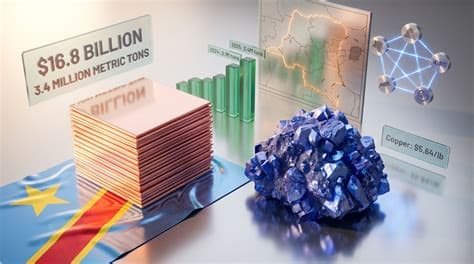
- Export Ban:The Democratic Republic of Congo has officially banned the export of copper and cobalt concentrates.
- Domestic Processing:The policy aims to encourage more processing and refinement of these metals within the country.
- Economic Impact:As a major supplier of copper and cobalt, this ban could significantly affect regional smelting and trading markets.
The Democratic Republic of Congo (DRC) has implemented a significant policy change by banning the export of copper and cobalt concentrates. This decision, announced by government officials, is part of a broader strategy to enhance domestic processing capabilities and retain more economic value from the country's rich mineral resources. The DRC is recognized as one of the world’s leading suppliers of both copper and cobalt, essential metals in various industries, including electronics and electric vehicle production.
The export ban is expected to have immediate repercussions on the global supply chain for these metals. By restricting the export of raw materials, the Congolese government aims to stimulate local industries and create jobs in the processing sector. This move aligns with the government's ongoing efforts to capture a larger share of the value generated from its mining activities, which have historically been dominated by foreign companies.
In recent years, the DRC has faced criticism for allowing foreign entities to extract its resources with minimal local benefit. The new export ban is seen as a corrective measure to ensure that more of the economic benefits from mining operations remain within the country. Industry analysts suggest that this policy could lead to increased investment in local processing facilities, which would not only create jobs but also enhance the country’s economic resilience.
The timing of this announcement is crucial, as global demand for copper and cobalt continues to rise, particularly with the growing emphasis on renewable energy and electric vehicles. The DRC's decision to prioritize domestic processing could position it as a more competitive player in the global market, potentially leading to higher prices for processed materials compared to raw concentrates.
However, the ban may also face challenges. Exporters and mining companies may resist the new regulations, arguing that they could lead to increased operational costs and reduced competitiveness in international markets. The government will need to navigate these concerns carefully to ensure that the policy achieves its intended goals without stifling investment in the mining sector.
As the DRC moves forward with this export ban, the implications for both local and international markets will be closely monitored. Stakeholders in the mining industry, as well as global investors, will be watching how this policy unfolds and its impact on the supply chain for copper and cobalt.
Published by Banx Network. This article is part of the Banx decentralized media programme, powered by the BXE token on the XRP Ledger.



