Key Highlights
- Location:Koreatown, Los Angeles, California.
- Incident:Landlord removes tenant parking spaces for ADUs.
- Response:Residents stage protests against the decision.
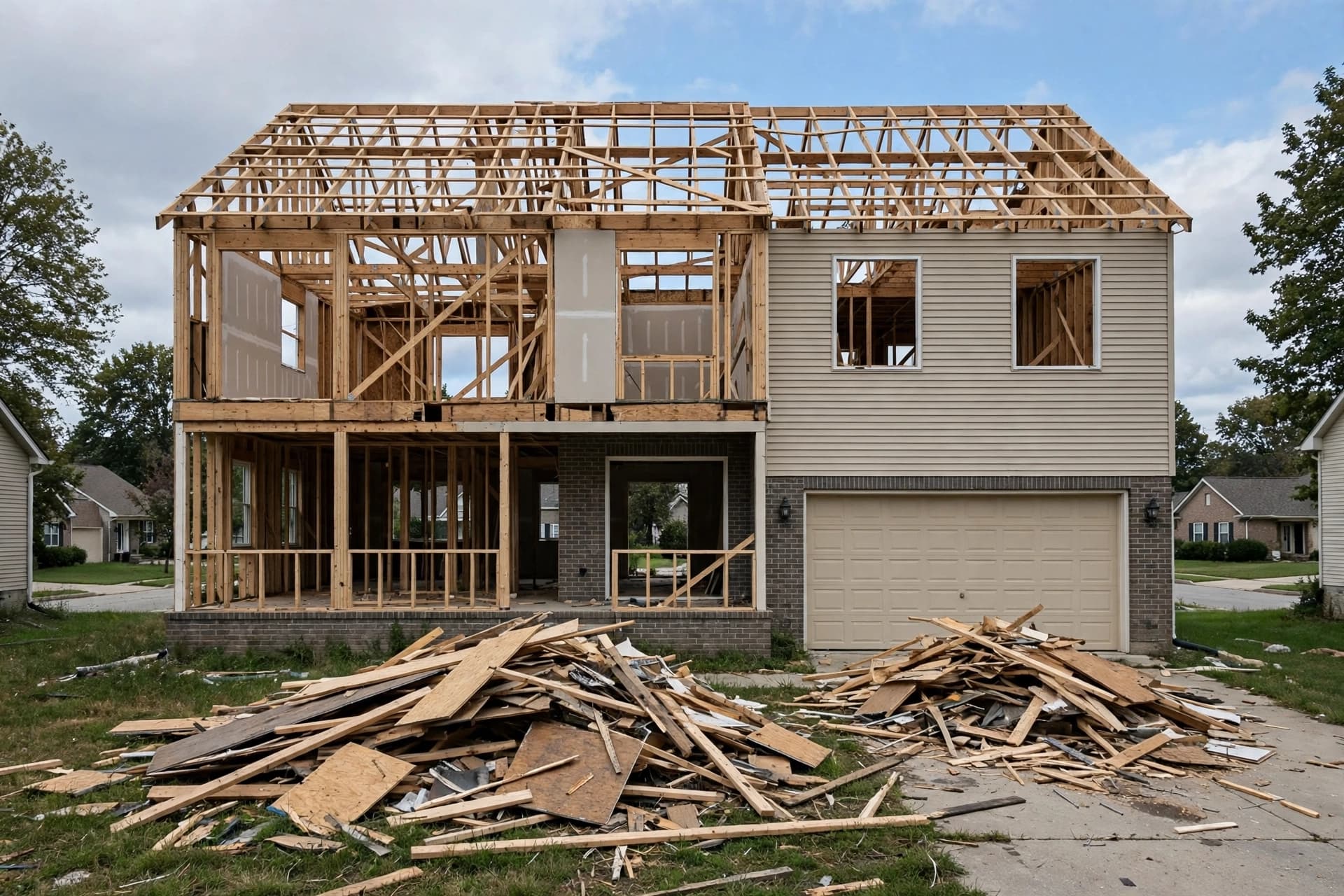
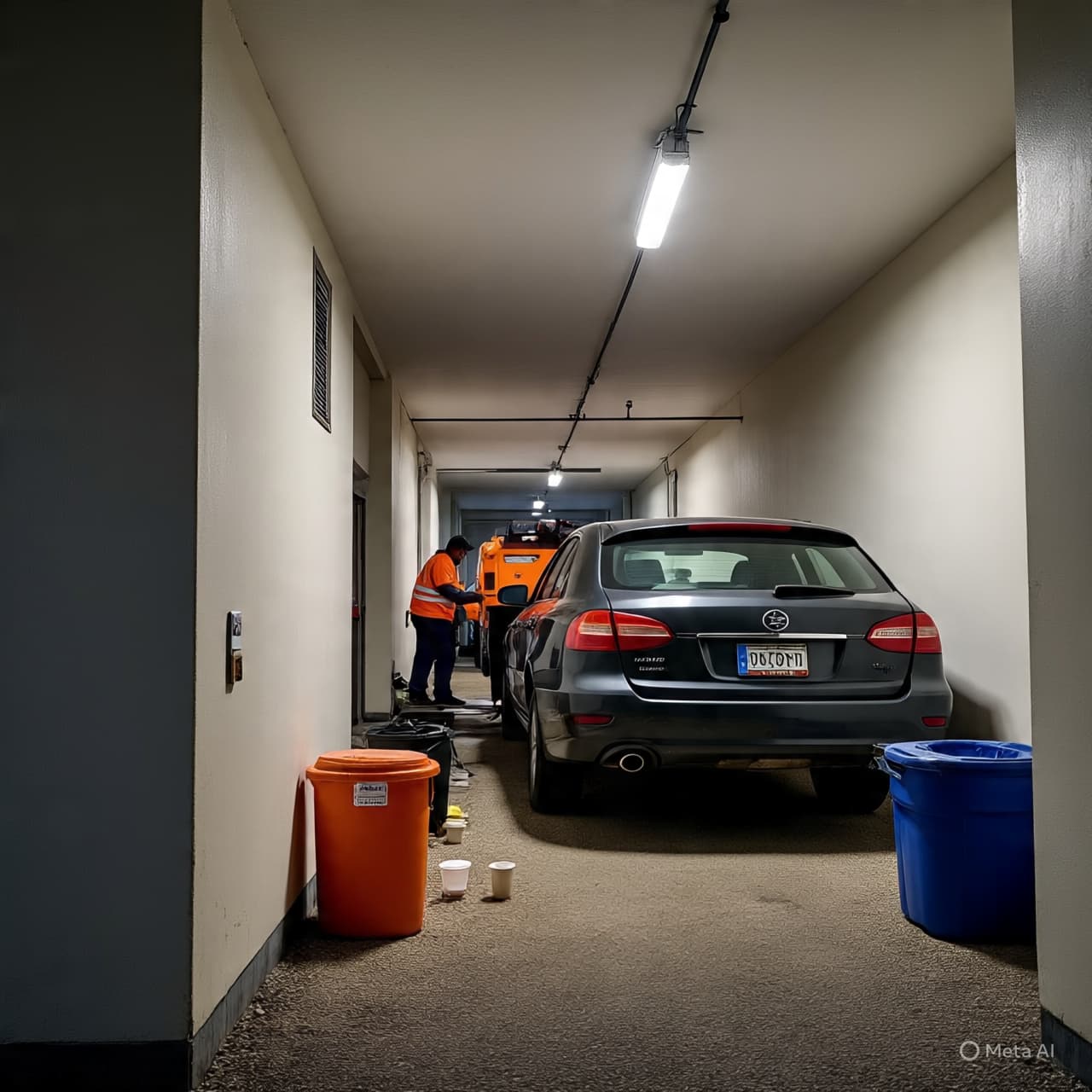
In the heart of Koreatown, a chilly morning recently turned chaotic as tow trucks descended on parked cars, removing vehicles that residents relied on for their daily lives. For many, these cars represented more than just transportation; they were a crucial part of their home life, providing a sense of security and stability. However, the sudden removal of these vehicles by a landlord seeking to convert parking spaces into accessory dwelling units (ADUs) has left many residents feeling blindsided and betrayed.
The incident occurred at 501 S. Kingsley Dr., where tenants were informed that their assigned parking spaces would be eliminated to make way for five new ADUs. Many residents, some of whom have lived in the building for over a decade, were shocked to discover that their leases, which included parking provisions, were disregarded. "It never even occurred to me that a landlord could just say we don’t care about that..." expressed one tenant, reflecting the sentiment of many affected by this abrupt decision.
This situation is not unique to Koreatown. Under California state law, particularly Senate Bill 1211, landlords are permitted to convert garages, carports, or open parking areas into ADUs without the requirement to replace the lost parking. This legal framework has raised concerns among residents in densely populated neighborhoods like Koreatown, where parking is already scarce. For many, the loss of a parking space is not merely an inconvenience; it is a significant disruption to their daily lives.
In response to the landlord's actions, tenants organized a sit-in protest in the garage, setting up tables and chairs to block construction crews from proceeding with the removal of their parking spaces. This grassroots effort underscores the deep emotional and practical implications of losing parking access. Residents argue that the loss of parking can lead to increased stress, longer searches for street parking, and potential risks of receiving parking tickets or having their vehicles stolen.
Landlords and developers, on the other hand, argue that the conversion of parking spaces into ADUs is a necessary step to address the ongoing housing crisis in California. They contend that increasing the number of housing units is essential for accommodating the growing population and alleviating the housing shortage. While this goal is widely supported, the reality for long-term renters—many of whom are elderly, disabled, or working families—reveals a more complex picture. The loss of a parking space can have cascading effects on their quality of life and sense of security.
The conflict in Koreatown highlights the broader tensions between housing policies aimed at increasing availability and the lived experiences of renters who depend on small but vital amenities like parking. As the city continues to grapple with housing shortages and rising rents, the question remains: who bears the burden of these developments? The cars towed away at dawn symbolize not just a loss of property, but a fracture in the trust between landlords and tenants, and a stark reminder that legal permissions do not always align with the human costs involved.
As the city moves forward with plans to increase housing density, it is crucial to consider the implications for existing residents and their rights. The ongoing situation in Koreatown serves as a poignant case study in the complexities of urban development and the need for a balanced approach that respects both housing needs and tenant rights.
Published by Banx Network. This article is part of the Banx decentralized media programme, powered by the BXE token on the XRP Ledger.