
Key Highlights
- Incident:Concrete fragments fell from a viaduct on the A28 near Meppel.
- Response:Rijkswaterstaat closed lanes and initiated repairs.
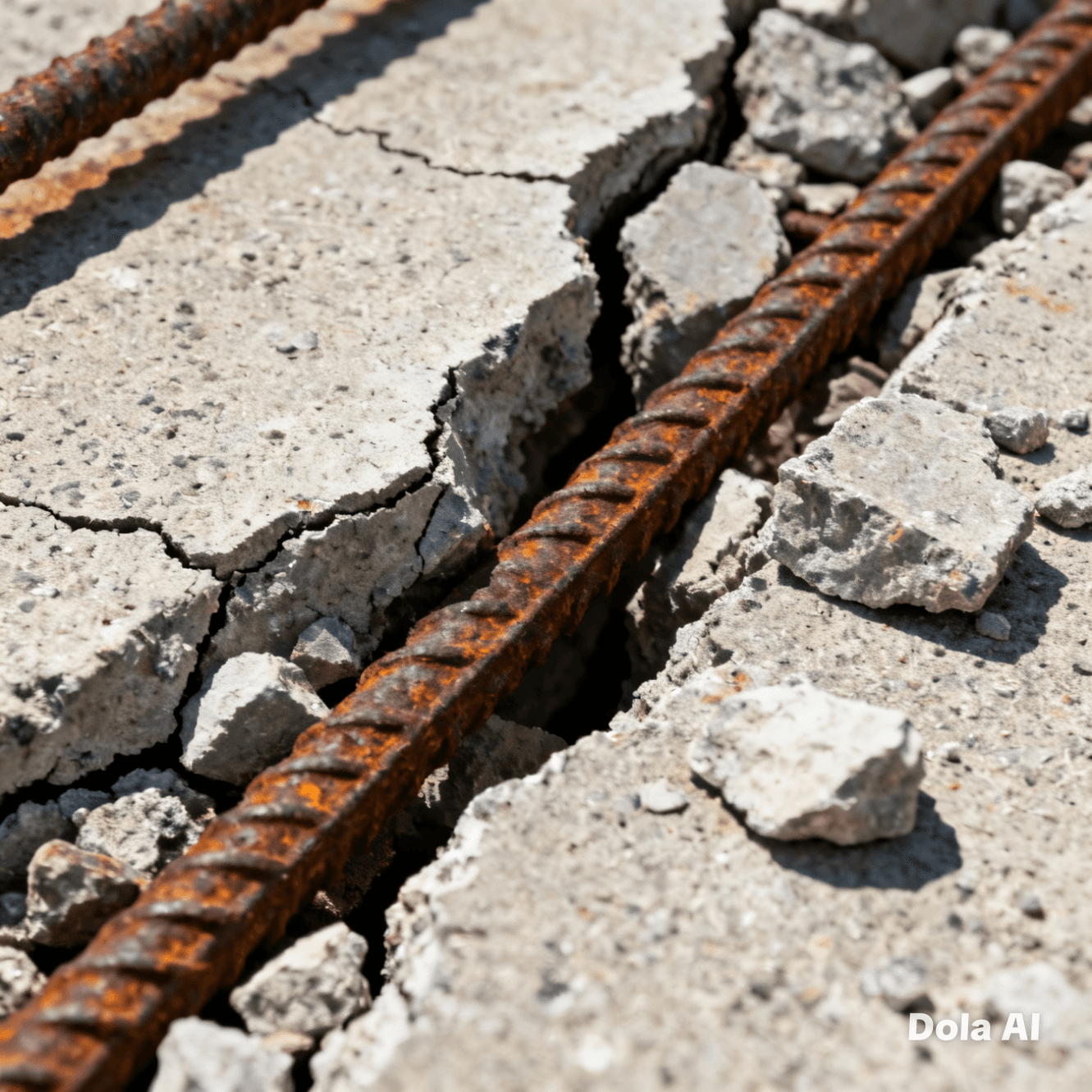
- Cause:Corrosion of steel reinforcement within the concrete structure.
On a seemingly ordinary winter afternoon, a routine drive along the A28 near Meppel turned into a cautionary tale for commuters. As drivers navigated the busy roadway, chunks of concrete unexpectedly fell from the viaduct at knooppunt Lankhorst, prompting immediate action from road authorities. The incident, which occurred last Thursday, not only startled motorists but also raised significant concerns about the integrity of the infrastructure that supports one of the Netherlands' vital north-south traffic corridors.
The falling debris led to the swift closure of a lane on the A28 heading towards Hoogeveen, as well as the shutdown of a connecting ramp from the A32. Rijkswaterstaat, the national road authority, took decisive measures to ensure the safety of travelers. Investigations into the cause of the concrete failure revealed a deeper issue: corrosion within the steel reinforcement bars embedded in the concrete.
Engineers explained that the deterioration was not merely cosmetic. Over time, moisture and carbon dioxide infiltrated the protective concrete layer, leading to the oxidation of the steel. This corrosion process, commonly referred to as concrete corrosion, causes the steel to expand, exerting pressure on the surrounding concrete and ultimately leading to cracks and detachment of material. Such structural issues can pose serious risks if not addressed promptly.
In light of these findings, Rijkswaterstaat has scheduled urgent repairs for Tuesday evening. The goal is to remove any loose concrete and reinforce the structure to ensure that all lanes can safely reopen. However, the temporary closures have resulted in significant delays for commuters, particularly during peak travel hours. Traffic diversions remain in effect for vehicles that typically transition from the A32 to the A28, further complicating the daily commute for many.
This incident serves as a stark reminder of the ongoing challenges faced by infrastructure maintenance in the Netherlands. Authorities emphasize the importance of regular monitoring and upkeep to prevent similar occurrences in the future. While immediate repairs are focused on restoring safety, larger-scale maintenance efforts are anticipated to address the underlying issues that contribute to corrosion.
As traffic resumes and repairs are completed, the incident underscores the hidden complexities of the infrastructure that supports daily life. Beneath the smooth surfaces of roads and bridges lie intricate systems that require constant vigilance and care. The quiet threat of rust may not be immediately visible, but its consequences can be swift and severe, highlighting the need for proactive maintenance strategies to safeguard public safety and infrastructure integrity.
Published by Banx Network. This article is part of the Banx decentralized media programme, powered by the BXE token on the XRP Ledger.



