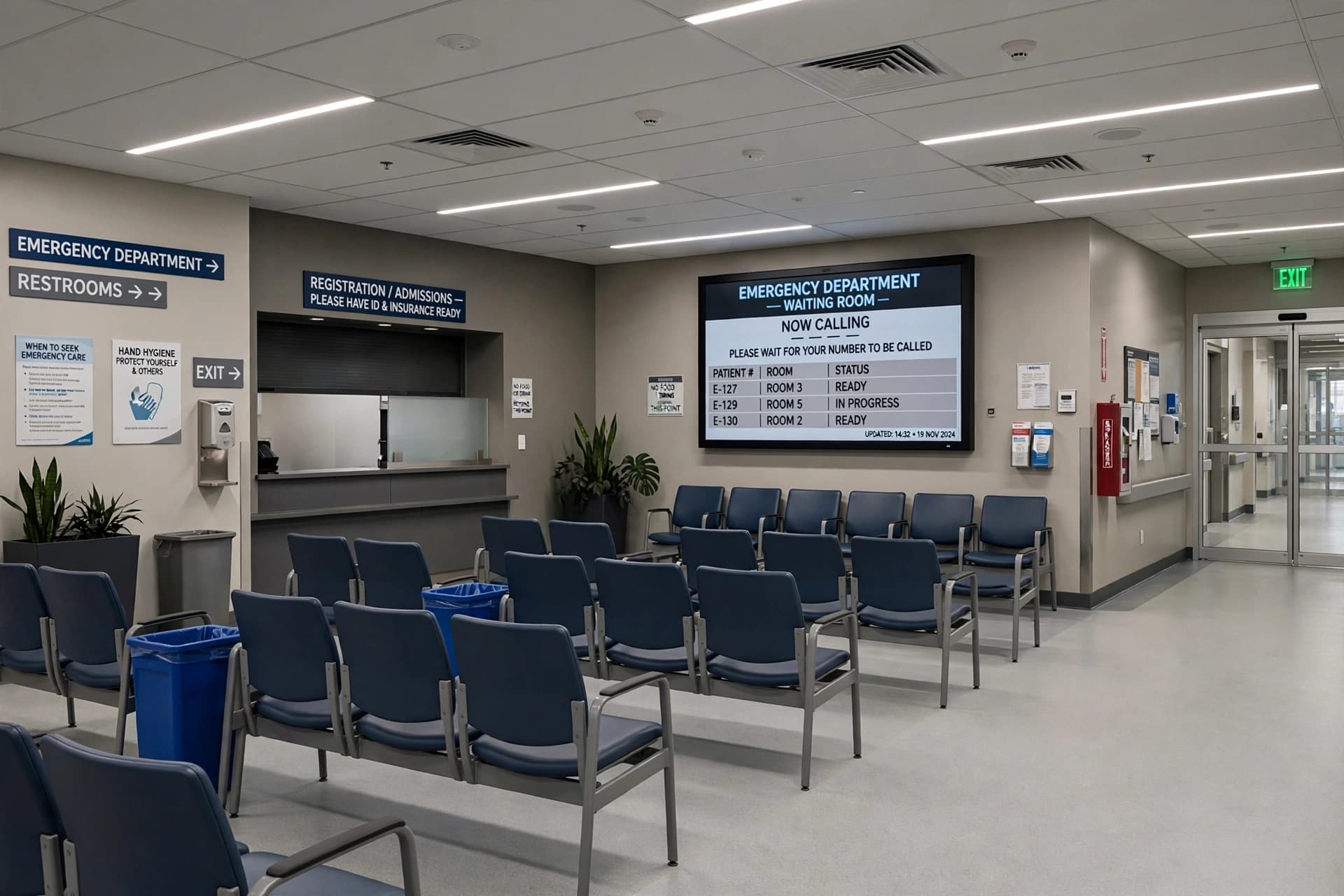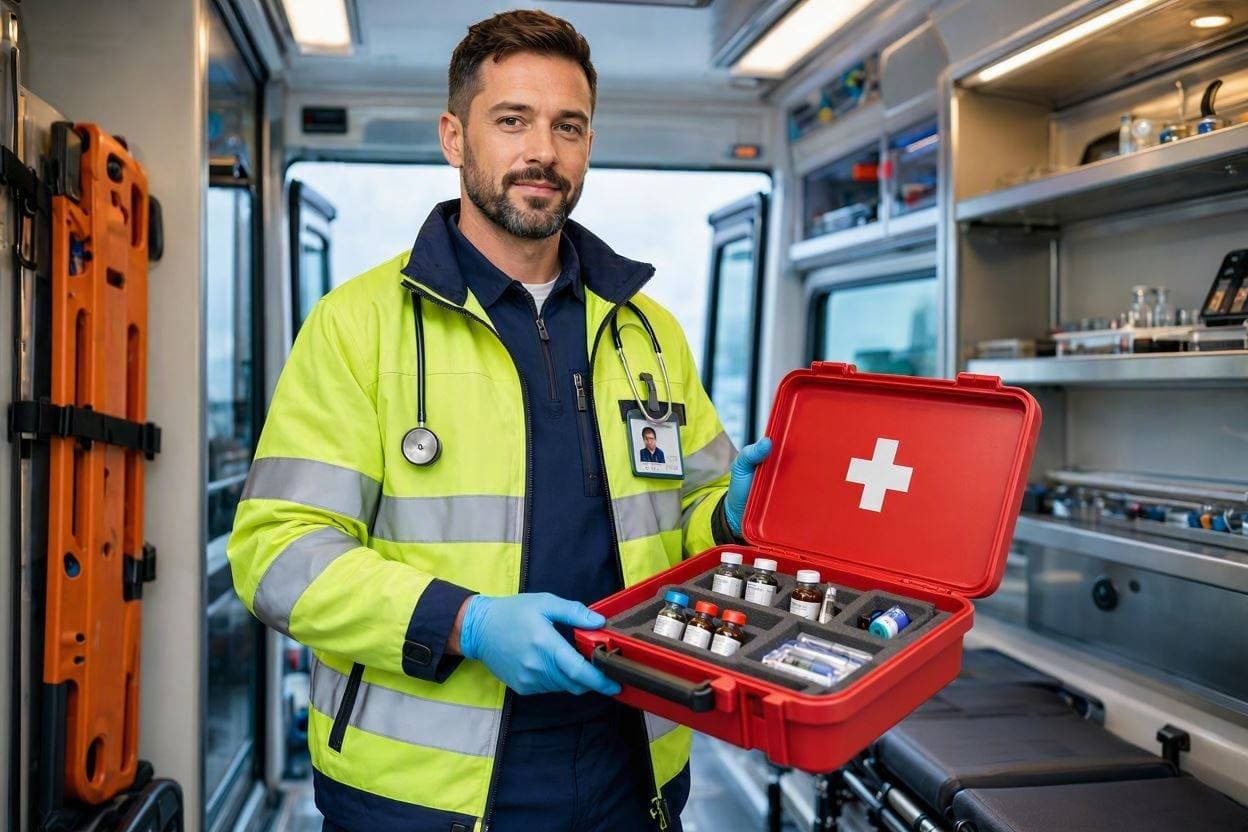
In the quiet aftermath of a crisis, when the immediate danger has passed, a different kind of struggle often begins. For those battling opioid addiction, the relief of surviving an overdose can quickly give way to the agonizing reality of withdrawal. It is a physical and emotional turmoil that drives many back into the cycle of use, not out of desire, but out of desperation for relief. Recognizing this critical window, city emergency crews are now preparing to administer buprenorphine, a medication designed to halt these debilitating symptoms. This shift in protocol invites reflection on how we care for our most vulnerable neighbors, moving beyond mere survival toward genuine recovery.
Buprenorphine works by binding to the same receptors in the brain as opioids, but without producing the same intense high. When administered shortly after an overdose reversal, it can stabilize patients and prevent the onset of severe withdrawal. For years, this treatment was largely confined to clinics and hospitals, requiring patients to navigate a fragmented system to access care. By bringing it to the field, paramedics can bridge the gap between crisis and continuity, offering immediate relief when it is most needed.
The decision to equip emergency crews with buprenorphine follows a surge in overdose calls across the city. First responders have witnessed firsthand the limitations of naloxone, which saves lives but does not address the underlying addiction. Many patients, once revived, refuse further medical attention due to fear of withdrawal or stigma. Providing medication on the scene offers a tangible incentive to engage with treatment services, potentially saving more lives in the long term.
Training for paramedics has been rigorous, ensuring they can assess eligibility and administer the drug safely. Protocols include screening for contraindications and monitoring for adverse reactions. This careful approach underscores the medical seriousness of the intervention. It is not just about handing out pills but about integrating evidence-based treatment into emergency care. Professionalism and precision are paramount in this new role.
Community health advocates have praised the move as a progressive step in harm reduction. They argue that treating addiction as a medical condition rather than a moral failing is essential for public health. By reducing barriers to medication-assisted treatment, the city is acknowledging the reality of opioid use disorder. This perspective fosters dignity and respect for patients, encouraging them to seek help without shame.
For families affected by addiction, this change offers hope. Knowing that their loved ones will receive comprehensive care during an emergency can alleviate some of the anxiety and helplessness they often feel. It signals a community-wide commitment to supporting recovery. Every life saved is a testament to the power of compassionate policy.
City emergency crews will begin administering buprenorphine to stop opioid withdrawal symptoms, aiming to improve long-term recovery outcomes. This initiative reflects a growing recognition of the need for integrated addiction treatment in emergency services. The hope is for reduced relapse rates and healthier communities.
AI Image Disclaimer: The visual elements accompanying this report are AI-generated interpretations designed to reflect the healthcare and emergency response context of the story.
Sources: Winnipeg Free Press NIDA SAMHSA
Published by Banx Network. This article is part of the Banx decentralized media programme, powered by the BXE token on the XRP Ledger.