
Key Highlights
- Typhoon Bavi is forecasted to impact Guam and the Northern Mariana Islands on Monday.
- Residents are urged to prepare for heavy rains, strong winds, and potential flooding.
- Emergency shelters and community support networks are being activated across the islands.
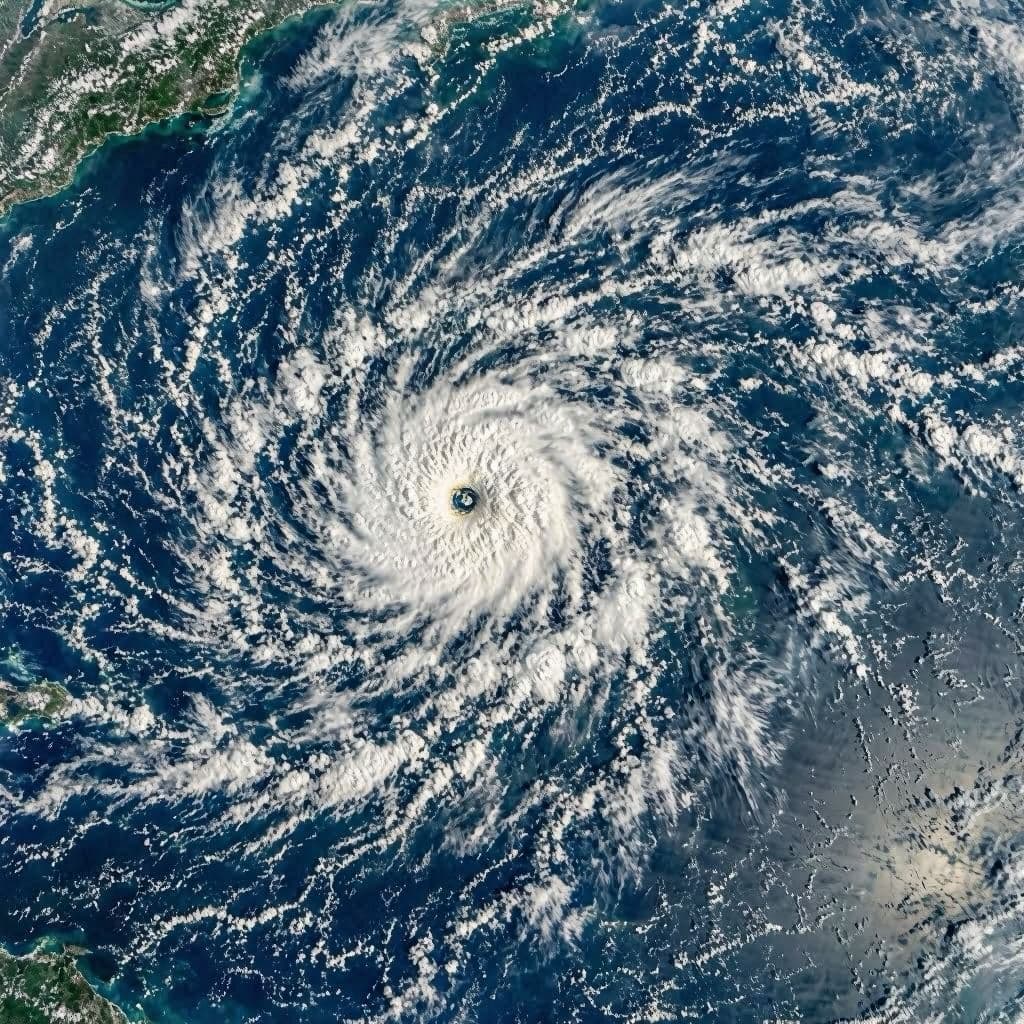
Typhoon Bavi, a powerful storm currently intensifying in the Pacific, is on a trajectory toward Guam and the Northern Mariana Islands. With predictions indicating a potential landfall by Monday, local residents are bracing for severe weather conditions, including heavy rainfall, strong winds, and the risk of flooding. This situation underscores the critical importance of community readiness in regions accustomed to the challenges posed by tropical storms.
Meteorologists have been closely monitoring Typhoon Bavi, which has developed a well-defined eye and is classified as a strong typhoon with sustained wind speeds. Current forecasts suggest that the storm's core will either pass near or directly over Guam, raising concerns about significant weather disturbances. In response, local authorities have issued various watches and warnings, advising residents to secure their homes and stay informed about the evolving situation.
The timing of Bavi's approach coincides with the start of the workweek, which could disrupt travel plans, school schedules, and business operations. Flights to and from the islands may face cancellations or delays, and port activities are likely to be suspended to ensure the safety of vessels and cargo. These logistical challenges are part of the standard response protocol in the region, where infrastructure is designed to withstand typhoons but still necessitates precautionary measures.
Heavy rainfall is anticipated, posing risks of flash floods and landslides, particularly in low-lying areas and regions with steep terrain. Residents are advised to avoid unnecessary travel and to steer clear of rivers and streams that may swell rapidly due to the storm. Additionally, power outages could occur as high winds may damage power lines and trees, prompting utility companies to prepare repair crews for swift action once the storm passes.
Preparation efforts are ramping up across the islands. Emergency shelters are being readied for those who may need to evacuate from vulnerable areas. Local authorities are checking stockpiles of food, water, and medical supplies, while community networks are mobilizing to assist elderly or disabled neighbors. This collective readiness reflects the resilience of island communities, which have long adapted to the presence of tropical cyclones.
While Typhoon Bavi presents a serious threat, it is also a manageable challenge for communities experienced in disaster response. Public education campaigns have highlighted the importance of having a family emergency plan and staying updated with official information. The National Weather Service and local emergency management agencies are providing continuous forecasts, enabling residents to make informed decisions regarding their safety.
As the storm approaches, the focus remains on minimizing harm and ensuring public safety. The collaborative efforts between government agencies, private sectors, and individuals are crucial in mitigating the impact of the typhoon. By working together, the communities of Guam and the Northern Mariana Islands can navigate the challenges posed by Bavi with confidence and care.
Typhoon Bavi poses a significant weather threat to Guam and the Northern Mariana Islands this Monday. Residents are encouraged to follow official guidance and complete their preparations. With vigilance and community support, the islands are well-positioned to weather the storm safely.
Published by Banx Network. This article is part of the Banx decentralized media programme, powered by the BXE token on the XRP Ledger.



