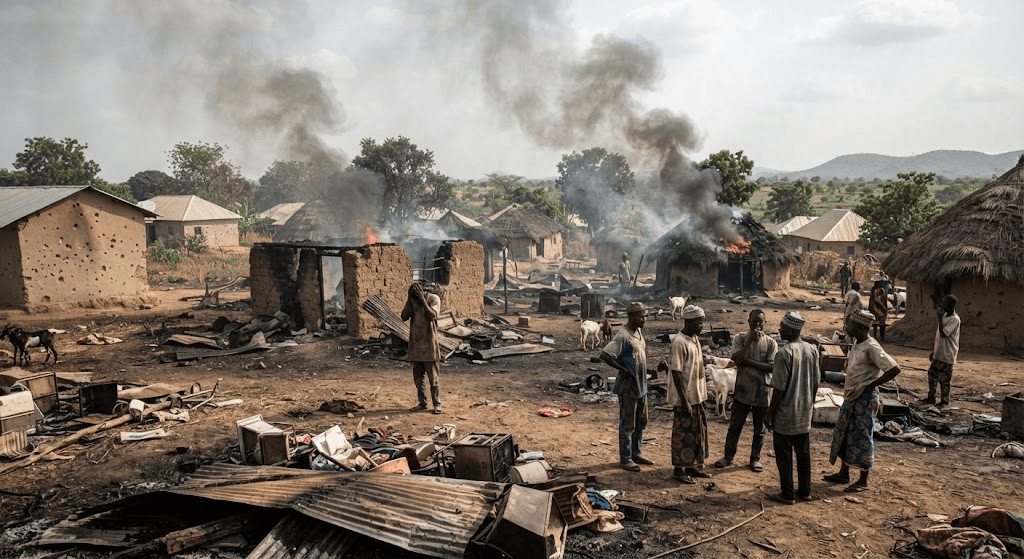
The Bai Bang residential quarter, usually characterized by the rhythmic, predictable cadence of daily neighborhood life, has found itself navigating a landscape altered by sudden and profound loss. When violence breaches the sanctuary of the home, the ripple effect is immediate and all-consuming, transforming familiar streets into a theater of collective mourning. There is a specific quality to this grief—a shared, quiet heaviness that hangs in the air, binding the residents together in a way that feels both necessary and deeply unsettling.
Mourning in a close-knit ward is not merely a private affair; it is a communal act of acknowledgement. When four lives are extinguished, the vacuum created is felt by everyone who once shared the space, the light, and the simple, daily existence of the quarter. Neighbors who, only days before, were exchanging nods of recognition, now find themselves processing the reality of an empty house, an absence that seems to expand to fill the very spaces where laughter and routine once lived.
There is a contemplative grace to the way the community has responded. Without fanfare or the need for grand gestures, the people of Bai Bang have gathered their collective resolve, holding space for one another in a time of profound disorientation. It is in the hushed conversations on porches and the somber, respectful quiet of the streets that one sees the true resilience of the neighborhood—a silent, persistent refusal to let the tragedy be the only definition of their shared existence.
The act of mourning is, at its heart, an effort to bring meaning to that which seems inherently meaningless. By honoring those who were lost, the community is not just marking a death; they are reclaiming the dignity of the lives that were taken. It is a slow, difficult process of weaving together the fragments of memory and experience, ensuring that the legacy of the victims remains embedded in the history of the quarter, rather than being overshadowed by the final, violent moment.
As the days unfold, the routine of the ward will eventually return, but the texture of that routine will be changed. The memory of the incident will linger as a quiet presence, a reminder of the fragility of the peace we often take for granted. Yet, in this shared experience of loss, there is a nascent sense of healing, a quiet affirmation that the bonds of a community are not easily severed, even by the most jarring of events.
The focus of the residents is now primarily on support—support for the family, support for the survivor, and support for one another. There is a deep, abiding respect for the privacy of those most affected, a collective decision to offer solace through presence rather than intrusion. This restraint is a testament to the character of the neighborhood, a quiet demonstration of empathy that serves as the most effective balm for the wounds inflicted by the tragedy.
Local leaders have moved to facilitate the necessary memorials, respecting the traditions and the needs of the grieving families. The process is handled with a careful, measured touch, recognizing that every detail, from the funeral arrangements to the community gatherings, is a part of the emotional arc that the ward must traverse together. They serve not just as administrators of the process, but as partners in the communal attempt to find a sense of equilibrium.
Ultimately, the mourning in Bai Bang is a testament to the enduring human need for connection in the face of absolute loss. As the community moves toward a time of reflection and, eventually, a form of resolution, the memory of those lost will serve as a quiet, guiding thread. They remain a part of the fabric of the quarter, their stories now interwoven with the shared history of the neighborhood, a constant reminder of the precious, fleeting nature of the lives we lead.
The residents of the Bai Bang residential quarter in Viet Yen Ward, Bac Ninh Province, are currently observing a period of mourning for the family members who lost their lives in the recent domestic tragedy. Local neighborhood groups have organized small, respectful gatherings to offer support to the surviving family members and to express collective sorrow. Provincial officials have acknowledged the community’s response, emphasizing the importance of communal solidarity and respect for the privacy of the grieving during this difficult time.
Published by Banx Network. This article is part of the Banx decentralized media programme, powered by the BXE token on the XRP Ledger.