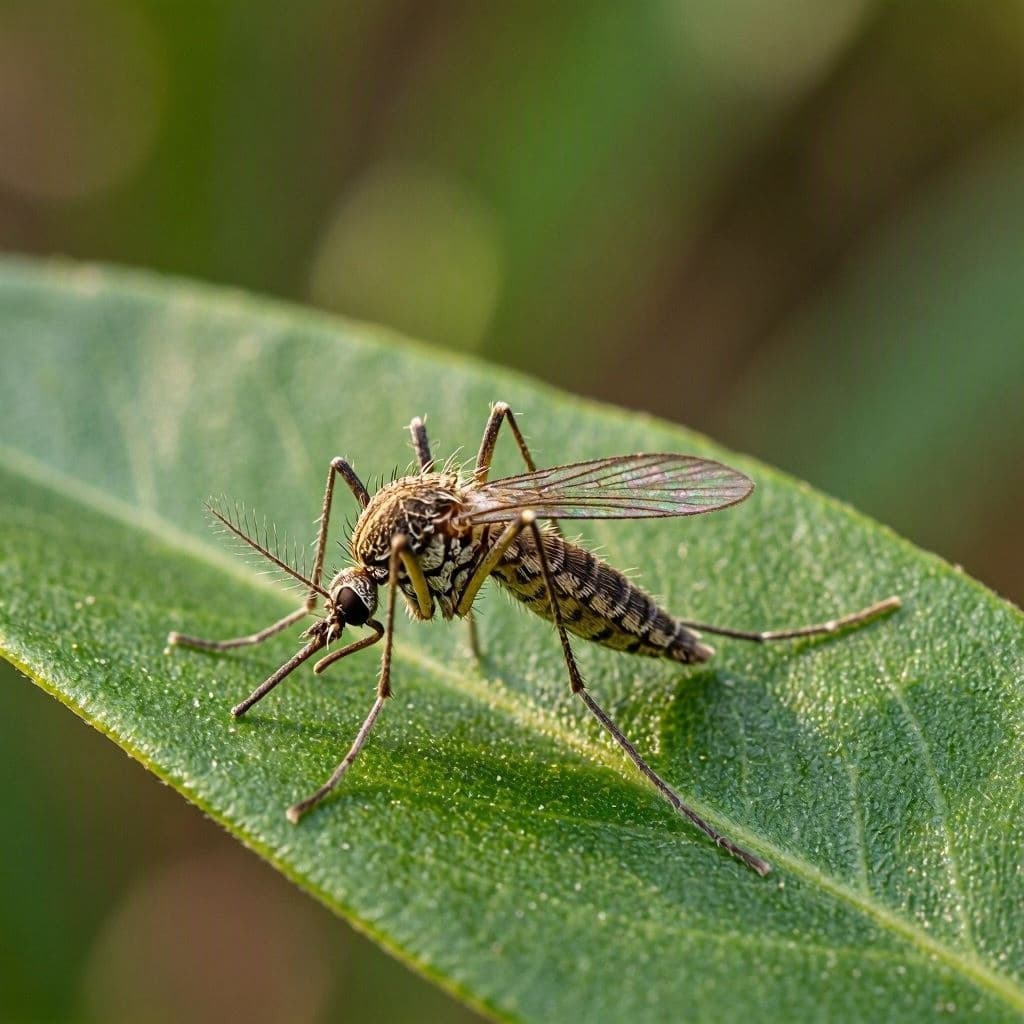
In the humid embrace of a Florida summer, where the air hangs heavy with heat and humidity, a silent adversary takes flight. The mosquito, often dismissed as a mere nuisance, has emerged as a vector for a more formidable threat: dengue fever. As cases rise in local communities, public health officials and residents alike find themselves engaged in a delicate but urgent battle. This struggle is not just about pest control; it is a complex dance of biology, community cooperation, and environmental stewardship, requiring patience and precision to protect public health without disrupting the natural balance.
Dengue fever, a viral infection transmitted by the Aedes aegypti mosquito, brings with it symptoms that can range from mild flu-like discomfort to severe, life-threatening complications. In recent years, pockets of transmission have appeared in South Florida, prompting heightened surveillance and response efforts. The warmth of the climate provides an ideal breeding ground for these insects, allowing them to thrive in small collections of standing water found in backyards, parks, and urban infrastructure. Understanding this lifecycle is the first step in breaking the chain of transmission.
Local health departments have ramped up their efforts, deploying teams to inspect neighborhoods and treat potential breeding sites. These interventions often involve the use of larvicides, which target mosquito larvae before they can mature into biting adults. However, the approach is carefully calibrated to minimize impact on other wildlife and water quality. Officials emphasize that chemical controls are just one tool in a broader toolkit that includes public education and community engagement.
Residents play a crucial role in this collective defense. Simple actions, such as emptying flower pots, cleaning gutters, and covering rain barrels, can significantly reduce mosquito populations. Community workshops and informational campaigns aim to empower individuals with the knowledge needed to protect their homes. This grassroots involvement transforms public health from a top-down mandate into a shared responsibility, fostering a sense of agency and cooperation among neighbors.
Scientific innovation also offers new hope in the fight against dengue. Researchers are exploring the use of Wolbachia bacteria, which can be introduced into mosquito populations to inhibit the virus’s ability to replicate. Other strategies include releasing sterile male mosquitoes to reduce breeding success. While these methods are still being refined and regulated, they represent a shift toward more sustainable and targeted solutions that rely on biological mechanisms rather than broad-spectrum chemicals.
The challenge is compounded by climate change, which may expand the range of disease-carrying mosquitoes and lengthen their active seasons. Warmer temperatures accelerate the mosquito lifecycle and increase the rate at which the virus develops within the insect. This reality underscores the need for adaptive strategies that can respond to shifting environmental conditions. Long-term planning must consider not only immediate outbreak control but also resilience against future climatic shifts.
Despite the challenges, there is a sense of cautious optimism. Collaboration between scientists, policymakers, and the public has led to more effective monitoring and faster response times. The goal is not eradication, which is ecologically impractical, but management that keeps disease risk at manageable levels. It is a continuous effort, requiring vigilance and adaptability in the face of a persistent natural foe.
The ongoing effort to combat dengue-carrying mosquitoes in Florida highlights the importance of integrated public health strategies, combining scientific innovation with community action to mitigate disease risk in a changing climate.
AI Image Disclaimer: Please note that any accompanying visuals for this report are artificially generated representations intended for illustrative purposes only.
Sources: Florida Department of Health Centers for Disease Control and Prevention (CDC) Miami Herald
Published by Banx Network. This article is part of the Banx decentralized media programme, powered by the BXE token on the XRP Ledger.