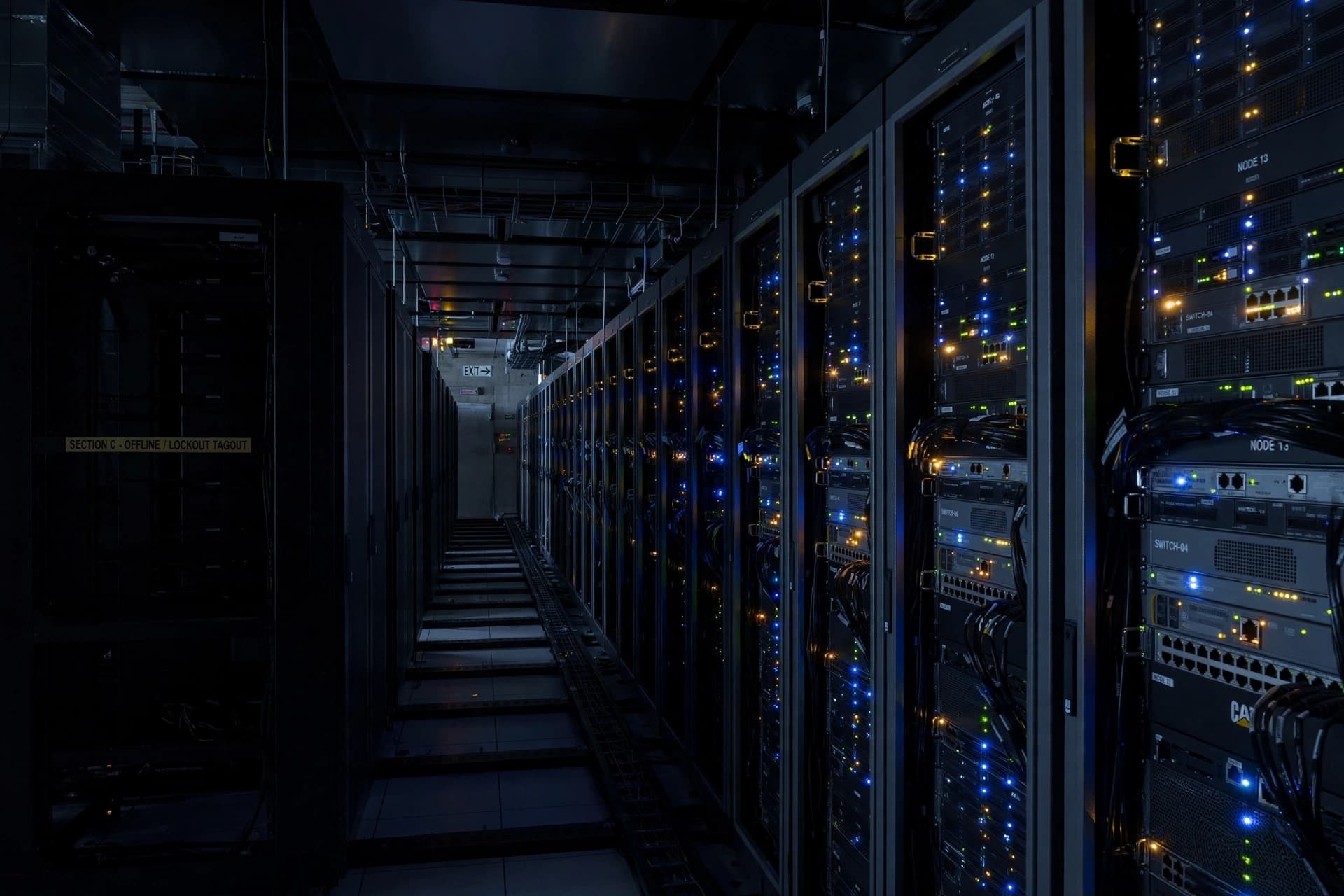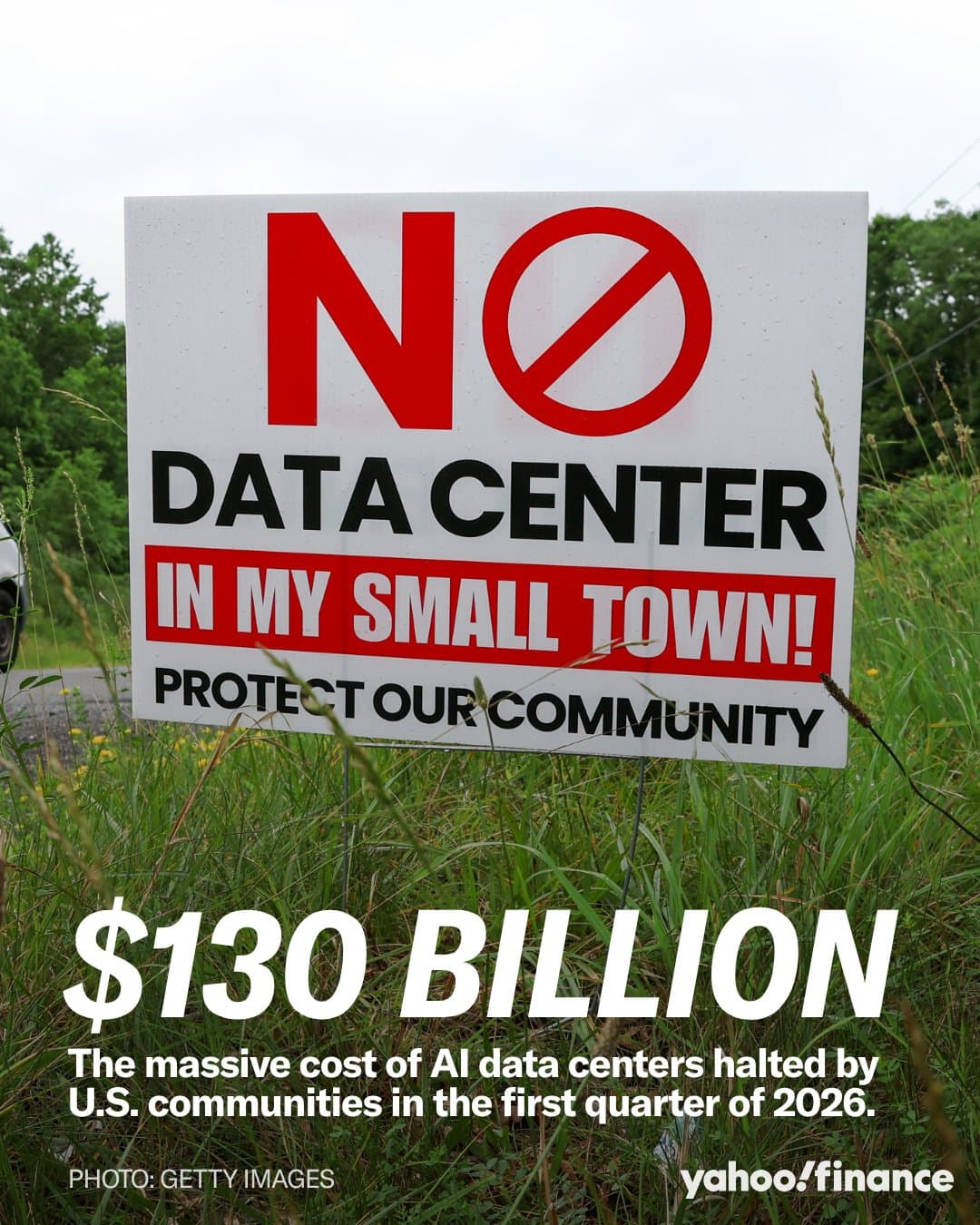
Communities across the United States are increasingly challenging proposals for new artificial intelligence data centers, raising concerns over electricity demand, water consumption and the long-term impact on local infrastructure. As AI companies invest billions of dollars in computing capacity, opposition from residents and local governments has become an important factor influencing future development. Modern AI data centers require enormous computing power to train and operate advanced machine learning models. These facilities consume significant amounts of electricity while also relying on cooling systems that may require substantial water resources depending on local climate conditions and facility design. Residents argue that rapid expansion could strain electrical grids, increase utility costs and compete with households and businesses for limited resources. Some communities also worry about environmental impacts, including land use, noise, increased traffic during construction and additional carbon emissions if facilities depend on fossil fuel-generated electricity. Technology companies respond that AI infrastructure is becoming essential for economic growth and innovation. New data centers create construction jobs, permanent technical positions and additional tax revenue while supporting cloud computing, scientific research and next-generation digital services. Many developers are attempting to address public concerns by investing in renewable energy projects, battery storage, recycled water systems and more efficient cooling technologies. Some facilities are also designed to recover waste heat for nearby industrial or residential use, reducing overall environmental impact. State and local governments face the challenge of balancing economic development with sustainability objectives. Policymakers must evaluate zoning regulations, environmental permitting, grid capacity and long-term infrastructure planning before approving major projects. Industry experts expect demand for AI computing infrastructure to continue rising as businesses adopt generative AI, automation and advanced analytics. This growth is likely to intensify debates regarding resource allocation, environmental protection and responsible technological expansion. The outcome of these discussions will shape where future AI infrastructure is built and how companies design facilities that meet both commercial objectives and community expectations.
Published by Banx Network. This article is part of the Banx decentralized media programme, powered by the BXE token on the XRP Ledger.