

Key Highlights
- Global Focus:Countries are investing in climate adaptation projects.
- Urban Redesign:Cities are improving infrastructure for resilience.
- Water Management:Modernizing systems for efficient resource use.
Communities often discover their greatest strength not during moments of crisis but in the preparation that comes beforehand. Around the world, climate adaptation is becoming an essential part of national planning as governments seek practical ways to reduce future environmental risks. This proactive approach is crucial as climate-related disasters become more frequent and severe.
Countries across multiple regions have expanded investments in projects designed to improve resilience against floods, heatwaves, droughts, and rising sea levels. For instance, nations like the Netherlands have long been pioneers in water management, implementing advanced flood control systems that serve as models for others. These efforts reflect a growing recognition that adapting to changing environmental conditions is a long-term necessity, not just a response to immediate threats.
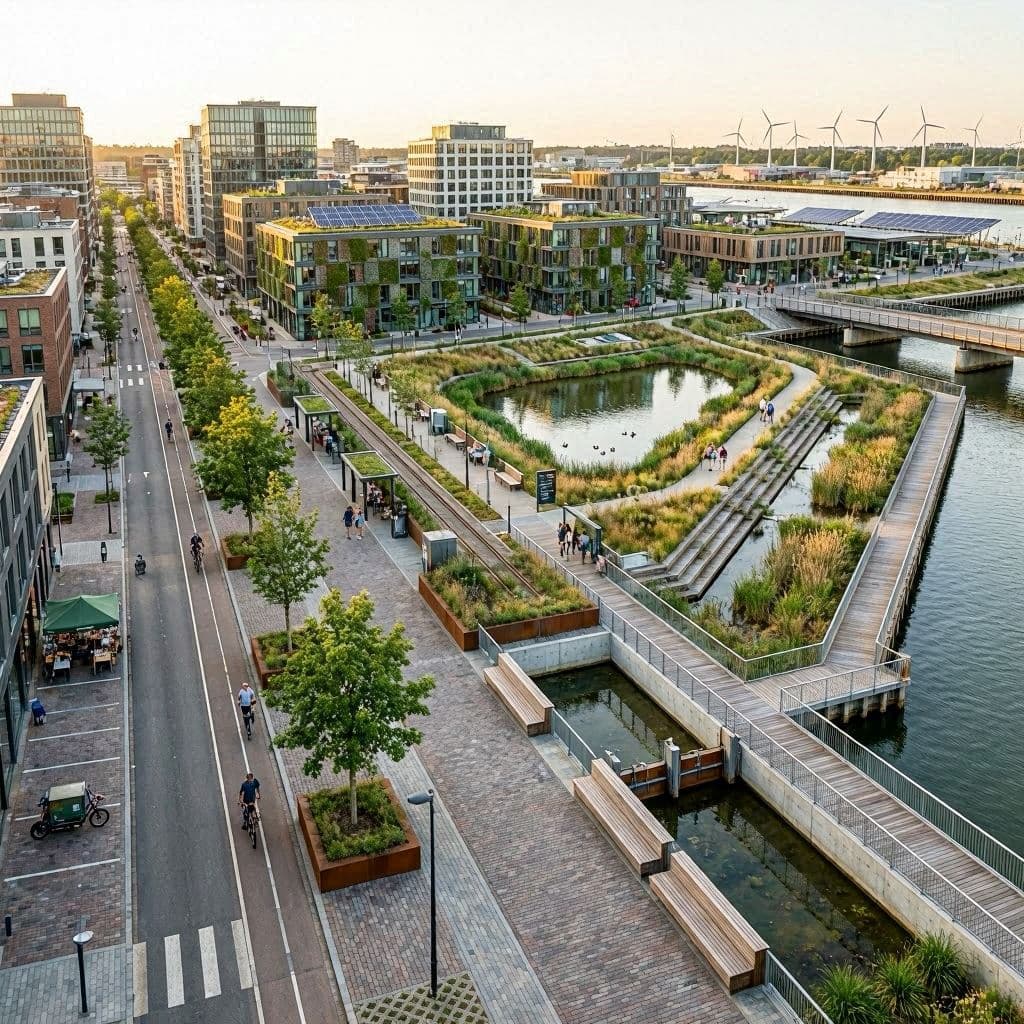
Urban planners are redesigning cities with improved drainage systems, expanded green spaces, and stronger infrastructure capable of managing increasingly unpredictable weather patterns. Cities like New York and Miami are investing in green roofs and permeable pavements to enhance urban resilience. These projects also aim to improve public health and quality of life, demonstrating that climate adaptation can yield multiple benefits beyond mere survival.
Water management has become another major focus. Governments are modernizing reservoirs, irrigation systems, and flood control networks while encouraging more efficient use of freshwater resources across agriculture and industry. In California, for example, innovative water recycling programs are being implemented to ensure sustainable water supply amidst prolonged drought conditions.
Scientists continue supporting policymakers with improved climate models and environmental monitoring technologies. Better forecasting allows governments to prepare earlier for extreme weather events and reduce potential economic losses. The integration of technology in climate adaptation strategies is proving vital, as real-time data can inform timely decisions that save lives and resources.
Local communities play an important role in adaptation efforts. Public education campaigns encourage emergency preparedness, sustainable land management, and environmental conservation while strengthening cooperation between local authorities and residents. Initiatives like community workshops and local resilience planning meetings foster a culture of preparedness, empowering individuals to take action in their own neighborhoods.
International organizations continue providing technical assistance and financial support for countries with greater climate vulnerability. Collaborative research and knowledge-sharing remain important components of effective adaptation strategies. Programs funded by the United Nations and other global entities are crucial in helping developing nations build the capacity needed to face climate challenges.
Although climate challenges will continue evolving, the growing emphasis on adaptation demonstrates a broader commitment to protecting communities, strengthening infrastructure, and building resilience for generations to come. As more regions recognize the importance of preparation, the hope is that communities will not only survive but thrive in the face of adversity.
Published by Banx Network. This article is part of the Banx decentralized media programme, powered by the BXE token on the XRP Ledger.




