
The journey to the stars is measured not just in miles, but in moments of anticipation and relief. As the International Space Station orbits high above the Earth, it serves as a temporary home for those who dare to venture beyond our atmosphere. For astronaut Chris Williams and his crewmates, the time has come to leave this orbital outpost and return to the solid ground below. NASA has announced the coverage details for their highly anticipated return, marking the conclusion of a mission defined by scientific discovery and human resilience. It is a moment that invites us to reflect on the courage required to live among the stars and the comfort of coming home.
Body: The return of the crew is a complex logistical operation, requiring precise coordination between ground control, the space station, and the returning spacecraft. NASA has scheduled a news conference to provide updates on the final preparations, offering the public a glimpse into the procedures that ensure a safe reentry. This transparency allows people around the world to share in the experience, connecting them to the human side of space exploration. The broadcast will feature interviews with flight directors and mission specialists, who will explain the technical challenges of undocking and landing.
Chris Williams, along with his crewmates, has spent months conducting experiments and maintaining the station’s systems. Their work has contributed to our understanding of microgravity, human health, and materials science. As they prepare to leave, they pack up data samples and personal items, leaving behind a legacy of knowledge for future crews. The transition from the weightlessness of space to the gravity of Earth is physically demanding, requiring careful monitoring of their health in the days leading up to departure.
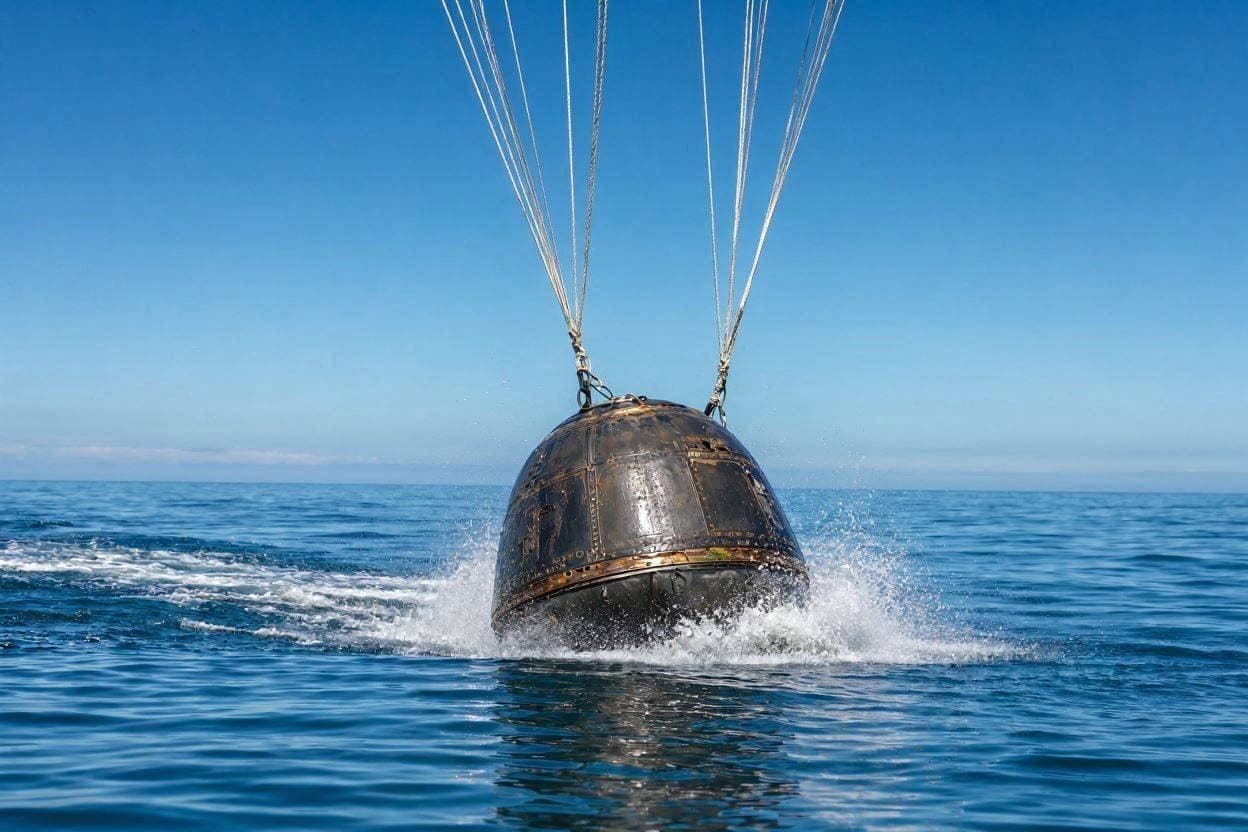
The spacecraft designated for their return is equipped with advanced heat shields and parachutes designed to withstand the intense friction of atmospheric entry. Engineers have rigorously tested every component, ensuring that the vehicle can protect its passengers during the fiery descent. This reliance on technology, honed over decades of spaceflight, provides a safety net for the astronauts as they make their final journey back to Earth. It is a testament to the ingenuity and dedication of the teams working behind the scenes.
For the families and friends of the crew, the return is a moment of mixed emotions. Joy at the reunion is tempered by the anxiety of the landing process, which remains one of the most critical phases of any space mission. NASA’s communication plan aims to keep loved ones informed and supported, providing regular updates and access to mission control. This human element underscores the fact that space exploration is not just about machines, but about the people who operate them.
The public interest in the return reflects a broader fascination with space travel. Live streams and social media updates allow millions to witness the event in real-time, creating a shared experience that transcends borders. This global audience serves as a reminder that the achievements of space agencies belong to humanity as a whole. By watching the crew return, we participate in a collective celebration of human achievement.
As the countdown begins, the focus shifts to the final checks and maneuvers. Every switch flipped and every command sent is part of a carefully choreographed sequence. The precision required is immense, leaving little room for error. Yet, the confidence of the team is palpable, built on years of training and successful missions. This professionalism ensures that the return is not just a procedure, but a triumph of preparation.
Closing: The return of Chris Williams and his crewmates marks the end of one chapter and the beginning of another. As they splash down and are recovered, they bring with them not just data, but stories of life in orbit. NASA’s coverage of the event offers a window into this remarkable journey, inviting us all to welcome them home.
AI Image Disclaimer: The images accompanying this article are AI-generated conceptual illustrations of spacecraft reentry and astronaut recovery, designed to visualize the themes of return and safety without depicting specific real-world individuals.
Sources: NASA Official Website Space.com CNN Science The Verge
Published by Banx Network. This article is part of the Banx decentralized media programme, powered by the BXE token on the XRP Ledger.



