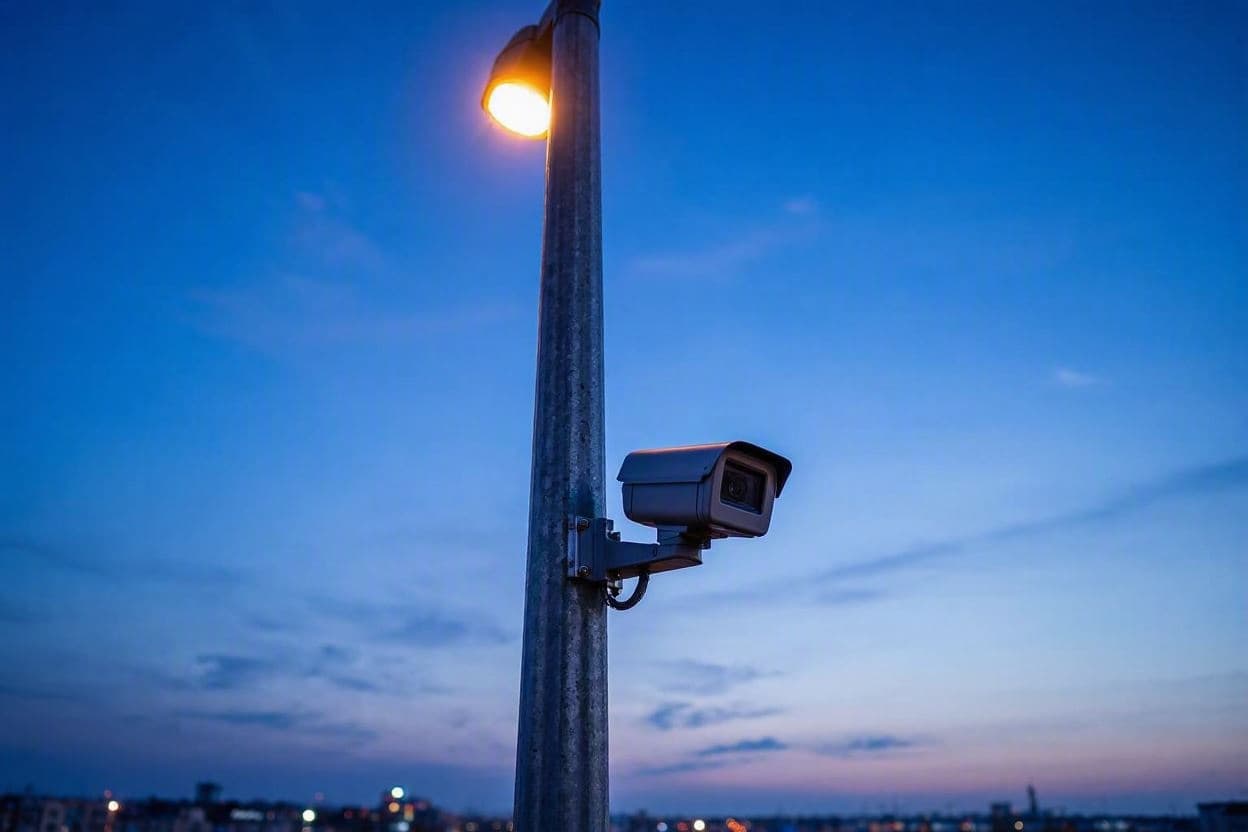
In the modern city, eyes are everywhere. Cameras mounted on streetlights and poles watch over intersections, promising safety and order. In Columbus, Ohio, this network of surveillance, known as the Flock Safety program, has recently come under scrutiny. Following reports of misuse, city officials have decided to pause the program, a decision that reflects a growing tension between security and privacy. This pause is not just a technical adjustment but a moment of civic reflection on how technology is governed and who holds the keys to our digital shadows.
The Flock system uses automated license plate readers to track vehicle movements, aiding police in solving crimes ranging from theft to violent offenses. Proponents argue that the data is invaluable for investigations, providing leads that would otherwise be impossible to find. However, the sheer volume of data collected raises concerns about mass surveillance and the potential for abuse. When the tools of security are misused, trust erodes, and the social contract between citizens and the state is strained.
Evidence of misuse reportedly involved unauthorized access to the database by individuals within or associated with law enforcement. These incidents, though perhaps limited in scope, strike at the heart of accountability. If those tasked with protecting the data cannot be trusted to use it responsibly, then the system itself becomes a liability. The pause allows the city to conduct a thorough review of access protocols, training procedures, and oversight mechanisms.
Privacy advocates have long warned about the risks of such technologies. They argue that without strict safeguards, license plate data can be used to track innocent people, monitor political activities, or engage in personal vendettas. The Columbus case serves as a real-world example of these theoretical risks manifesting. It underscores the need for transparent policies and independent audits to ensure that technology serves the public good rather than private interests.
City leaders face the difficult task of balancing public safety with civil liberties. Pausing the program may temporarily hinder some investigative capabilities, but it is seen as a necessary step to restore confidence. Officials have promised to implement stricter controls and clearer guidelines before the system is reactivated. This approach suggests a willingness to learn from mistakes and prioritize ethical considerations alongside operational efficiency.
The community’s reaction has been mixed. Some residents feel safer knowing that criminals are being tracked, while others feel uneasy about the constant monitoring. The dialogue surrounding the pause offers an opportunity for public engagement, allowing citizens to voice their concerns and expectations. Democratic governance requires that such decisions be made with input from those affected, ensuring that technology aligns with community values.
As the review proceeds, other cities watching Columbus will take note. The deployment of surveillance technology is spreading rapidly across the United States, and each locality must grapple with similar challenges. The outcome in Columbus could set a standard for how other municipalities manage these powerful tools, emphasizing the importance of integrity and oversight in the digital age.
Columbus’s decision to pause its Flock camera program following evidence of misuse highlights the critical need for robust oversight and ethical standards in the use of public surveillance technology.
AI Image Disclaimer: Visuals associated with this article are computer-generated interpretations designed to complement the narrative, not actual photographic evidence.
Sources: The Columbus Dispatch WBNS 10TV American Civil Liberties Union (ACLU) Associated Press
Published by Banx Network. This article is part of the Banx decentralized media programme, powered by the BXE token on the XRP Ledger.