
Key Highlights
- Incident Date:March 17, 2026, marked by the discovery of 27 charred bodies near the Colombia-Ecuador border.
- Accusations:Colombian President Gustavo Petro claims the Ecuadorian military is responsible for the bombing.
- Diplomatic Tensions:Ecuador's President Daniel Noboa denies the allegations, citing national security operations.
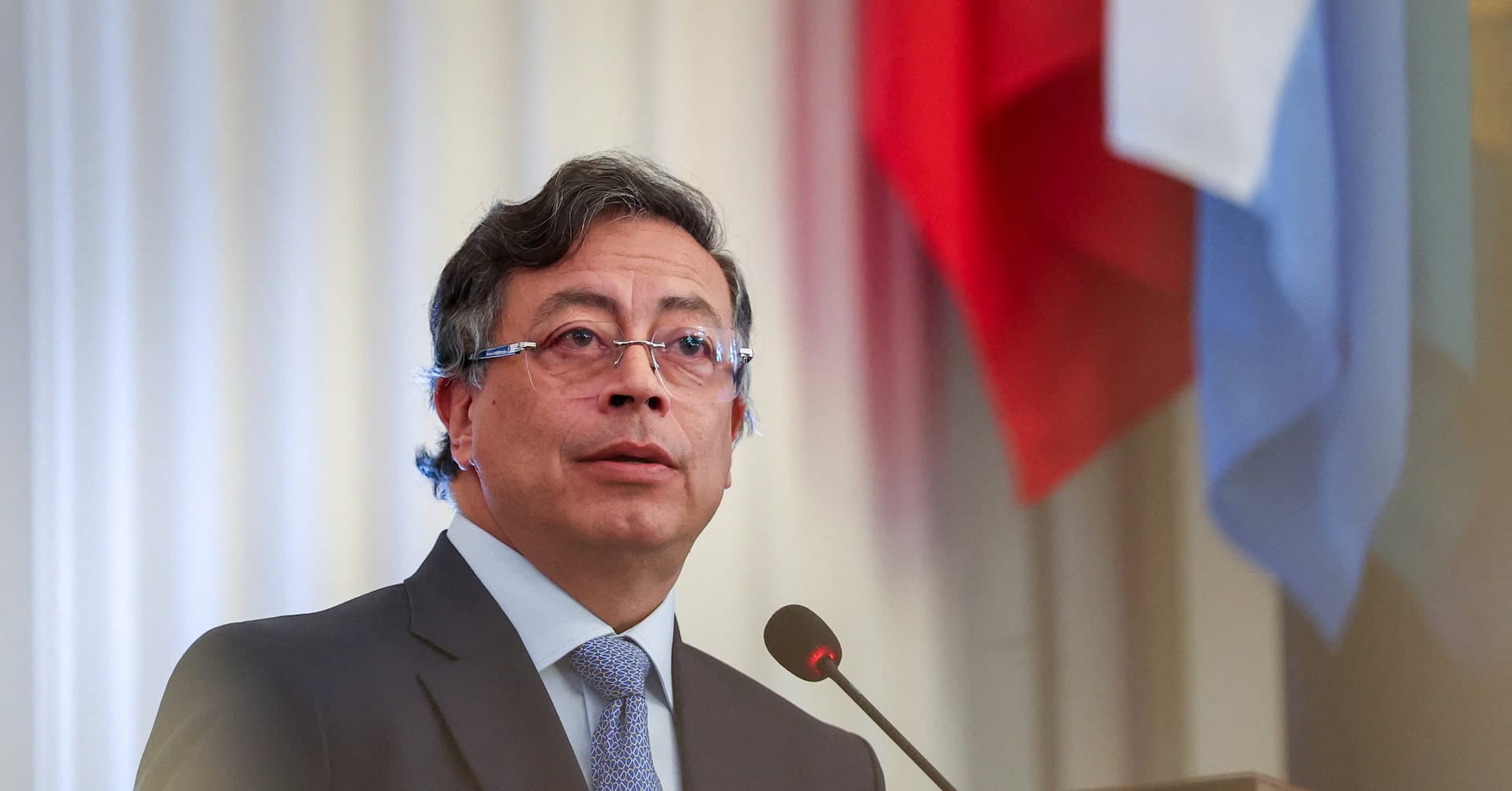
On March 17, 2026, Colombian President Gustavo Petro made a serious accusation against Ecuador, claiming that 27 charred bodies were discovered near the border, linking their deaths to a bombing allegedly carried out by the Ecuadorian military. This assertion has raised significant concerns about cross-border violence and the implications for regional security. Petro emphasized that the violence should not be attributed to Colombian armed forces or illegal groups, but rather to actions taken from within Ecuador's airspace.
During a cabinet meeting, Petro expressed skepticism regarding the Ecuadorian government's explanation, stating, “The explanation is not credible.” His doubts were fueled by the discovery of an unexploded bomb near a local family's home, which he cited as evidence warranting a thorough investigation into the Ecuadorian military's actions. This incident has intensified scrutiny on the military operations conducted by Ecuador, particularly in light of the ongoing conflict with drug cartels.
In response, Ecuador’s President Daniel Noboa quickly refuted Petro's claims, asserting that all military operations conducted by Ecuador are strictly within national borders. Noboa emphasized Ecuador’s commitment to combating narco-terrorism, arguing that Colombian groups have been infiltrating Ecuador due to inadequate border control by Bogotá. This exchange of accusations highlights the fragile state of relations between the two countries.
The recent escalation in tensions can be attributed to a heightened military campaign against organized crime in Ecuador, which has received backing from the United States. This operation includes significant troop deployments along the shared border to confront the rising violence associated with drug trafficking. The Ecuadorian government has been under pressure to address the alarming rise in homicide rates and violence linked to drug cartels, which has led to increased military presence in border areas.
Historically, the relationship between Colombia and Ecuador has been strained, particularly following Noboa's recent imposition of a 30% tariff on Colombian goods, citing security concerns. In retaliation, Colombia has implemented its own tariffs, further exacerbating economic tensions. This economic friction, combined with the recent accusations, underscores the complex dynamics at play in the region.
Observers suggest that the deteriorating situation reflects broader issues regarding cross-border criminal activity and the efficacy of militarized responses to drug trafficking. Despite Ecuador's intensified military actions, violence has not abated, with the country's homicide rate reaching alarming levels in recent years. The rhetoric exchanged between the two presidents highlights the challenges faced in addressing transnational organized crime collaboratively.
As both nations navigate this crisis, the potential for diplomatic escalation remains a significant concern. President Petro has even called for U.S. intervention to prevent further conflict, indicating the seriousness of the situation and the need for a coordinated response to the challenges posed by organized crime in the region. The unfolding events will likely have lasting implications for Colombia-Ecuador relations and regional stability.
Published by Banx Network. This article is part of the Banx decentralized media programme, powered by the BXE token on the XRP Ledger.



