
Key Highlights
- Diplomatic Tensions:Colombian President Gustavo Petro accuses Ecuador of bombing raids.
- Casualties:27 charred bodies found near the border, raising concerns.
- Retaliatory Measures:Ecuador imposes tariffs on Colombian imports amid escalating disputes.
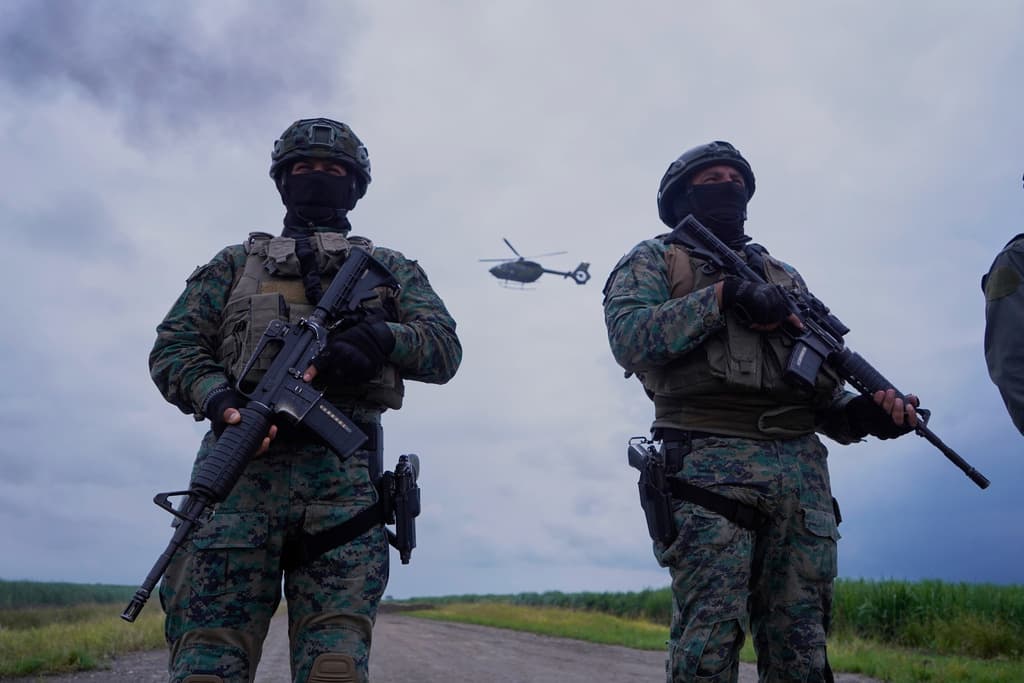
In a significant diplomatic escalation, Colombian President Gustavo Petro has officially accused Ecuador of carrying out bombing raids within Colombian territory. During a cabinet meeting held on March 17, 2026, Petro claimed that 27 charred bodies had been discovered near the border, suggesting these attacks were not executed by illegal armed groups, although he did not provide substantial evidence to support this assertion.
Petro stated, “Ecuador is bombing us, and these are not illegal armed groups,” highlighting what he described as a serious breach of Colombian sovereignty. His remarks included mention of a bomb believed to have been dropped from an aircraft, reinforcing his allegations of cross-border strikes. This accusation marks a significant escalation in the already tense relations between the two nations, which have been strained by issues related to drug trafficking and organized crime.
In response, Ecuadorian President Daniel Noboa vehemently rejected Petro's claims, insisting that Ecuadorian military operations were strictly aimed at narco-terrorist structures located within its own borders. Noboa emphasized that their actions target these groups, many of whom he alleges have Colombian origins, due to Bogotá's alleged ineffectiveness in controlling its side of the border. This back-and-forth highlights the complexities of the security situation in the region, where both countries face challenges from organized crime.
The contentious relationship between Colombia and Ecuador has intensified, particularly since Ecuador imposed a 30% “security tariff” on Colombian imports earlier this year—this tariff has since escalated to 50%. In retaliation, Colombia has enacted its own tariffs and restrictions, further souring diplomatic ties. These economic measures reflect the deteriorating trust and cooperation between the two nations, which share a long and porous border.
Petro's accusations represent the most serious breach in relations thus far, raising the potential for conflict between the two nations. The situation is further complicated by the involvement of external actors; Petro has reached out to former U.S. President Donald Trump, requesting intervention to prevent further escalation. This appeal underscores the international dimensions of the crisis, as both countries navigate their relationships with powerful allies.
With increasing tensions and accusations on both sides, the situation requires careful scrutiny as both nations navigate a fraught political landscape. The potential for miscalculation or misunderstanding could lead to further escalation, making diplomatic engagement crucial in the coming days and weeks. As both leaders face domestic pressures, the international community will be watching closely to see how this situation unfolds and whether a path to de-escalation can be found.
Published by Banx Network. This article is part of the Banx decentralized media programme, powered by the BXE token on the XRP Ledger.



