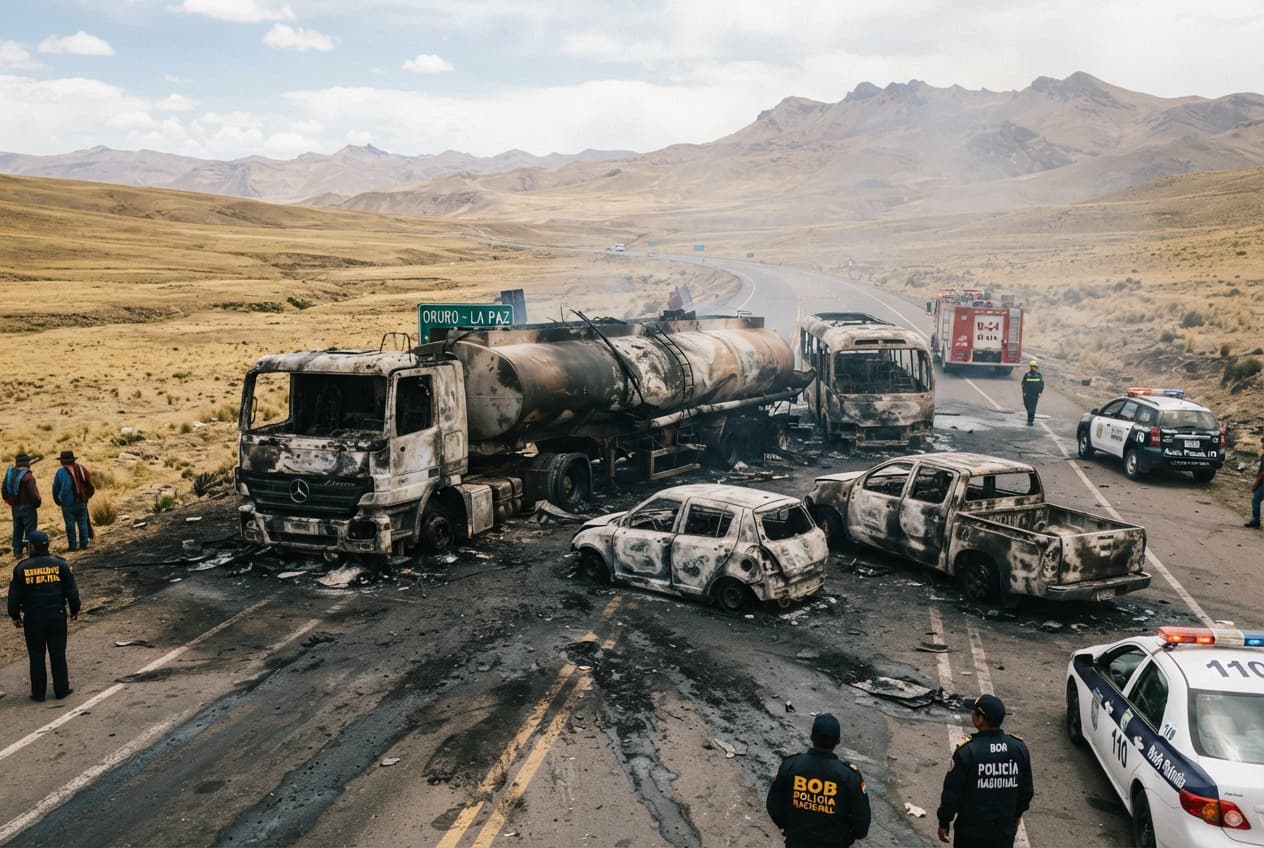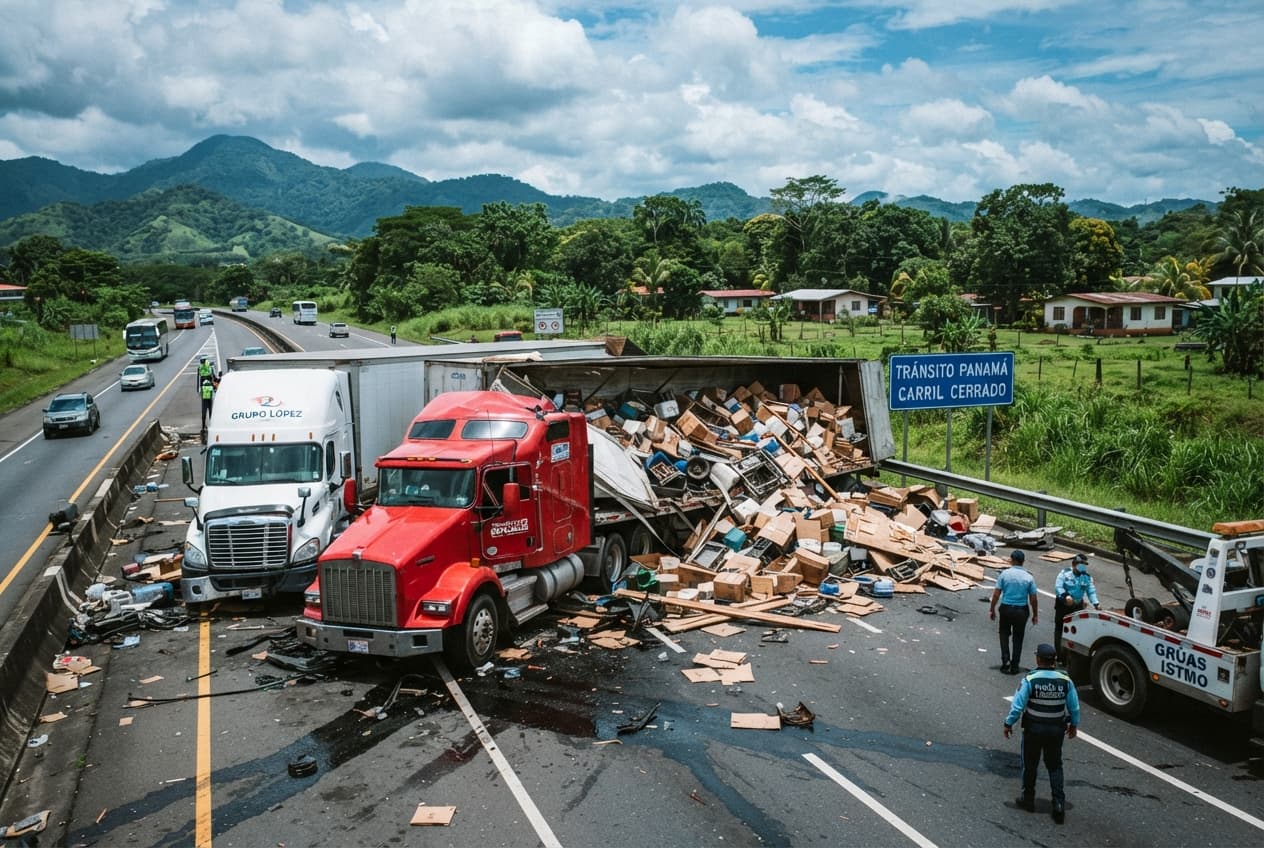
Bogotá, Colombia—The Colombian government declared an immediate national state of emergency following a powerful 7.4-magnitude earthquake that struck the Andean interior, leaving 132 people dead and over five hundred injured. Seismological institutes located the epicenter at a deep subterranean fault near the Chocó province, sending violent shockwaves that rippled across multiple departments and rattled buildings in neighboring countries. Municipal disaster hubs received overwhelming reports of structural collapses, ruptured gas mains, and landslides blocking critical mountain transit corridors.
Search and rescue squads dispatched from major metropolitan centers rushed to the coffee-producing region around Pereira, where unreinforced masonry structures suffered the heaviest devastation. Field hospitals sprang up in municipal sports stadiums to handle an influx of trauma cases while local medical personnel worked around the clock under emergency lighting. Civil aviation authorities temporarily suspended operations at six regional airports to inspect runway integrity and control tower instrumentation.
"The sheer depth and magnitude of this seismic event delivered a punishing blow across multiple departments, requiring the immediate centralization of all national emergency assets," a senior national disaster response director stated at the site.
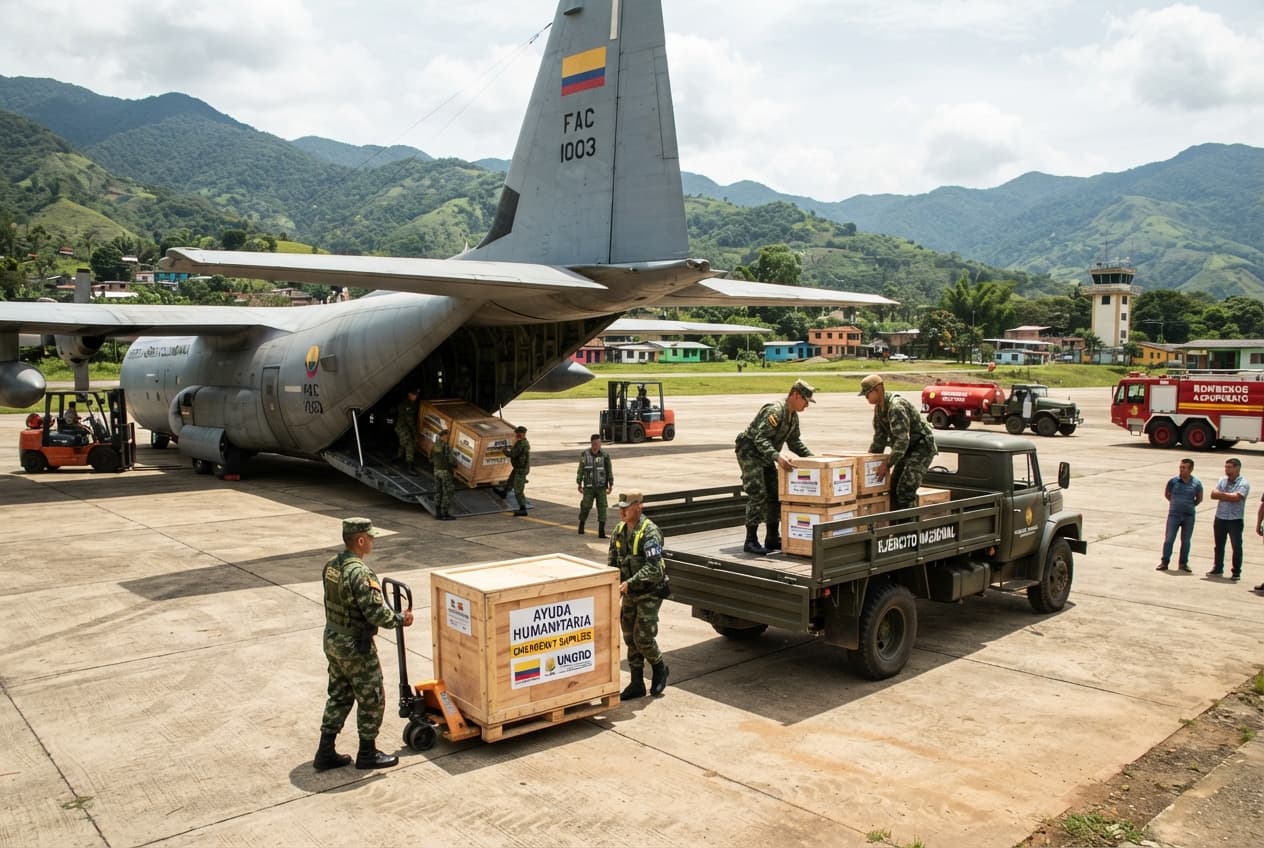
Military transport aircraft began airlifting heavy shoring equipment, portable water purification units, and emergency medical personnel into remote mountain valleys cut off by massive mudslides. Engineering battalions deployed tactical bridges to span washed-out river crossings, enabling relief convoys to reach isolated rural farming communities. International search teams equipped with specialized canine units arrived at military airbases to reinforce local extraction efforts.
Financial markets and economic analysts estimated initial infrastructure losses in the billions of dollars as commercial districts surveyed extensive structural devastation. Insurance associations established centralized processing hubs to expedite claims for commercial property owners and residential policyholders. Utility companies worked tirelessly to reroute high-voltage electrical grids around damaged substation transformers.
Presidential administrative offices coordinated international aid shipments arriving from allied nations while organizing temporary housing logistics for thousands of newly displaced citizens. Regional mayors enforced strict nighttime curfews in severely impacted districts to facilitate uninterrupted emergency vehicle transit and prevent opportunistic looting. Structural inspection teams began marking residential properties with safety clearance placards to guide safe re-entry protocols.
Relief logistics centers operated around the clock as volunteers sorted donations of clothing, non-perishable food items, and medical supplies. Mobile communication towers restored cellular connectivity to isolated municipalities, allowing families to report missing relatives. Engineering crews continued shoring up leaning facades with heavy timber bracing as evening operations commenced under floodlights.
Published by Banx Network. This article is part of the Banx decentralized media programme, powered by the BXE token on the XRP Ledger.