In the hushed corridors of Brussels and across European capitals, a debate that once seemed technical and distant has hardened into one of the bloc’s most thorny geopolitical dilemmas. At issue are hundreds of billions of euros in Russian sovereign assets frozen since the start of the Ukraine war — and, as the European Union considers using them to help fund Ukraine’s defence and economic survival, Belgium finds itself at the heart of a mounting confrontation with Moscow and its own allies.
Belgium is far more than a backdrop to this drama; it literally holds the keys. Brussels is home to Euroclear, the international central securities depository that is custodian to most of the EU’s frozen Russian funds — estimated at roughly €183–€210 billion — far more than any other member state. This positioning once seemed an inert legacy of sanctions, but as Europe confronts Ukraine’s deepening financial shortfall and waning external support, those same frozen assets have emerged as a potential source of funding. The European Commission has proposed using them — not through outright confiscation, but as backing for a €90 billion “reparations loan” to Kyiv — a bold, unprecedented financial move.
But Belgium’s newly elected Prime Minister, Bart De Wever, has sounded the alarm. He and his government argue that such plans — even if framed as legal immobilisation rather than seizure — could expose Brussels and its financial institutions to retaliation from Moscow, including lawsuits, asset claims abroad and other forms of hybrid pressure. De Wever has publicly voiced concerns about legal risks and political liability, warning that Belgium could find itself caught in the crossfire of Russian reactions if the assets are used in ways the Kremlin deems unlawful.
These fears have real traction. Russia’s central bank has already sued Euroclear in a Moscow court, seeking compensation for what it calls the unlawful freezing of its assets — an early sign of how legal reprisals could play out. Meanwhile, Fitch Ratings has placed Euroclear on a “rating watch negative”, citing the potential liquidity and legal risks tied to the frozen assets and the EU’s plans for their use.
From Moscow’s perspective, any effort to tap into these funds — even indirectly — has been cast as tantamount to theft. Russian officials have warned of “severe consequences” should their sovereign wealth be mobilised without consent, including threats of legal action in multiple jurisdictions and possibly broader economic countermeasures.
Inside the EU, this has prompted a rare and difficult balancing act. Some member states — especially those in eastern and central Europe — argue that using the frozen assets is both a practical necessity and a symbolic stand against Russian aggression. Others, led by Belgium, caution that the risks are systemic, exposing European banking infrastructure and the wider single market to unpredictable fallout.
Belgium’s position has stirred diplomatic tension within the bloc. Brussels has been pressed by other EU capitals to find a path forward that recognises both Ukraine’s urgent needs and the legal complexities of handling another state’s frozen resources. Alternative proposals — such as using unallocated EU budget funds or spreading liability guarantees across member states — have been floated, but consensus remains elusive.
What was once a technical discussion about sanctions enforcement and financial mechanics has now become a broader reflection of Europe’s struggle to define its foreign policy boundaries in the face of an assertive Russia. As EU leaders prepare for high‑stakes summit votes on the issue, Belgium’s fears — and Moscow’s warnings — stand as reminders that the legacies of war, law, and money are deeply entangled, and that policy decisions can send ripples far beyond the boardrooms where they are made.
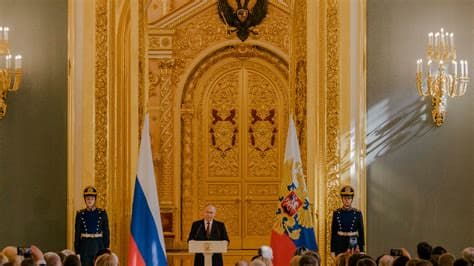
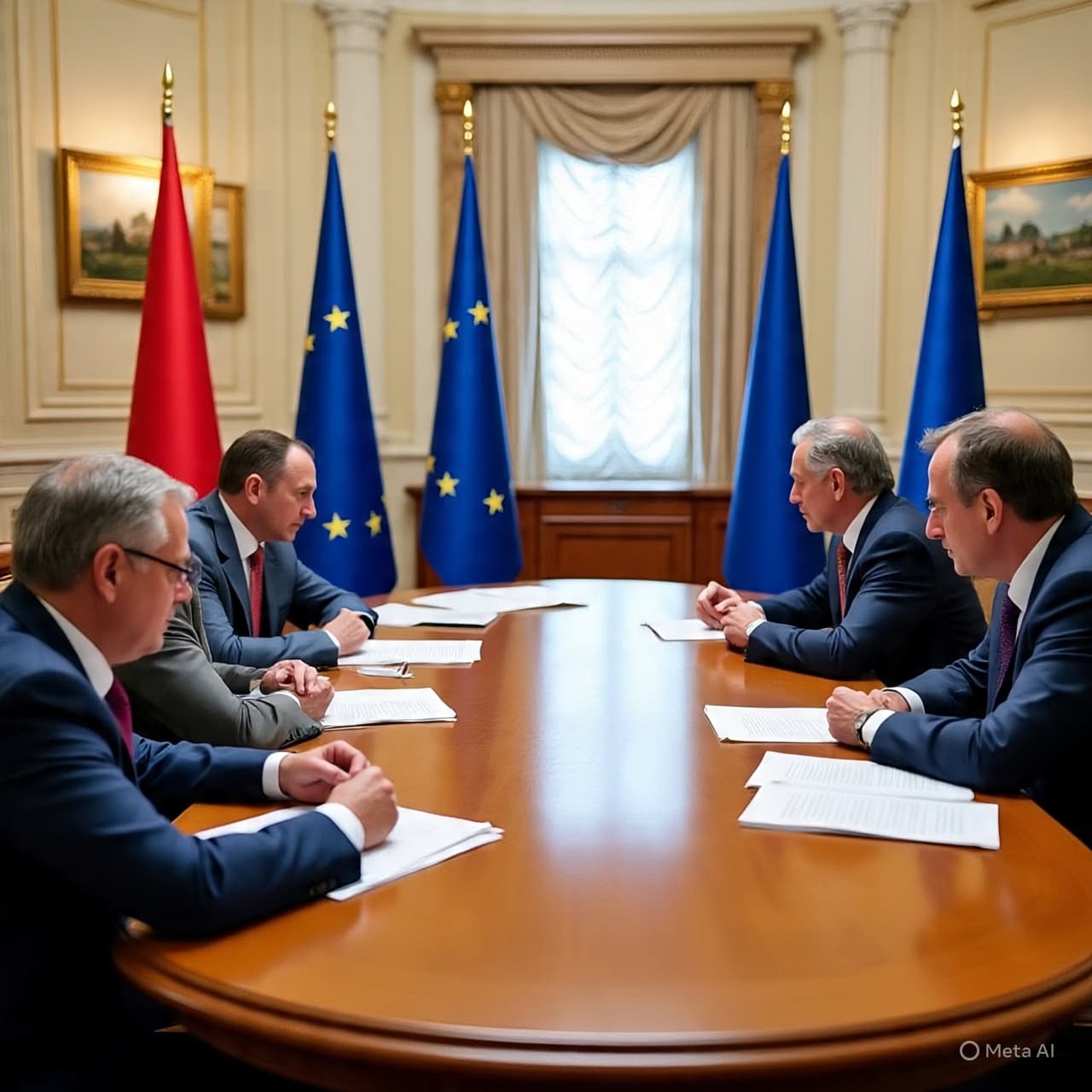
AI Image Disclaimer Graphics are AI-generated and intended for representation, not actual photographs.
Sources: The Washington Post, Reuters (via Fitch and Euroclear reporting), The Guardian and related reporting on the EU proposal and legal risks.
Published by Banx Network. This article is part of the Banx decentralized media programme, powered by the BXE token on the XRP Ledger.