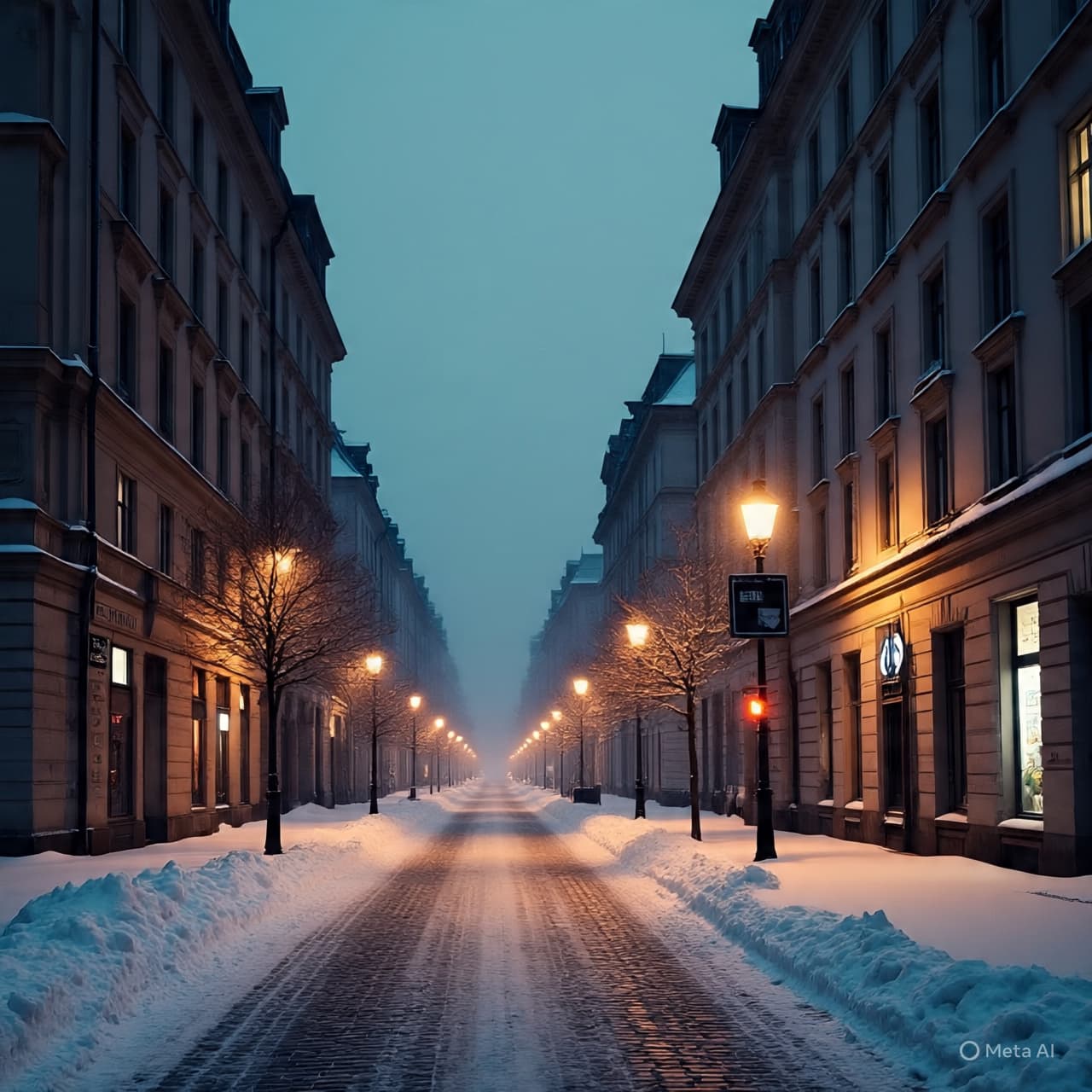
In the quiet chill of an early January morning, the streets of southwestern Berlin went dark, not from a storm or grid failure but from a deliberate act that sent shockwaves through the city and sparked fierce political debate. A significant arson attack on critical electrical infrastructure near the Lichterfelde power station disrupted electricity to tens of thousands of homes and businesses — cutting heating, communications, and transit services and exposing the city’s vulnerability in freezing winter temperatures.
Authorities and political leaders quickly pointed to what they described as a politically motivated attack by a radical left‑wing extremist group calling itself the Vulkangruppe (Volcano Group), which has a history of similar sabotage incidents targeting energy, rail, and telecommunications infrastructure around Berlin and beyond. The group has claimed responsibility online, framing their actions as a protest against fossil fuel dependency and the perceived social impact of technology industries.
Berlin’s Mayor Kai Wegner did not mince words in condemning the act. In public statements, he labeled the attack an act of terrorism rather than mere vandalism, saying it “endangered human lives” by knocking out power during harsh winter conditions, particularly threatening elderly residents, families with young children, and those reliant on medical equipment. Wegner called for increased efforts to identify and capture those responsible and to better protect critical infrastructure.
The sabotage was no small incident. Grid operator Stromnetz Berlin reported that around 45,000 households and more than 2,000 businesses were initially left without power across four districts, including Zehlendorf, Wannsee, and Nikolassee. Electrical services, heating systems, mobile networks, and regional rail services were all affected, prompting emergency responses and temporary relief measures such as warming stations and backup generators for hospitals and care homes.
Interior Minister Alexander Dobrindt echoed the mayor’s concerns, framing the assault on the electrical grid as evidence that left‑wing terrorism is resurging in Germany, and calling for stronger protections for infrastructure nationwide. Meanwhile, federal investigators and police continue to probe the incident, treating it as a high‑priority politically motivated crime with potential links to a decade of similar attacks.
As Berlin works to fully restore power, expected to take days due to frozen soil complicating repairs, the event has triggered broader discussions among officials about the security of energy networks, the role of extremist groups in civic life, and how best to safeguard essential services from future sabotage — all while communities in affected districts slowly regain the warmth and light that went dark so suddenly.
AI Image Disclaimer Illustrations were produced with AI and serve as conceptual depictions, not real photographs.
Sources Reuters CBS News South China Morning Post The Guardian Associated Press
Publié par Banx Network. Cet article fait partie du programme de médias décentralisés Banx, propulsé par le jeton BXE sur le XRP Ledger.