In the quiet hours before dawn, rainfall on shattered streets and sodden ground often carries an echo of things unsettled — memories yet to be laid to rest, stories waiting to be told, and lives yet unfinished. In northern Gaza this winter, the weather has become a reluctant arbiter in one such story, offering a pause not just on earth but on the human hopes tethered to it.
Efforts to recover the remains of the last Israeli hostage believed to be held in Gaza — Ran Gvili, 24, a member of an elite police unit killed while aiding others during the October 7, 2023 Nova music festival attack — have been hindered by heavy rains and difficult ground conditions. An unnamed Israeli official told NPR that search operations and sweeps there are currently delayed due to adverse weather, and will resume “as soon as ground conditions allow.”
This delay comes at a delicate moment. The U.S.-brokered ceasefire agreement between Israel and Hamas includes a staged progression toward broader peace terms, including the laying down of arms and an Israeli military withdrawal. But the transition to phase two remains on hold until Gvili’s body can be transferred to Israeli authorities by Hamas.
For those watching from afar, these developments may appear as a logistical footnote to the larger narrative of conflict and diplomacy in the region. Yet for Gvili’s family and the Hostages and Missing Families Forum — which has advocated for the return of captives since the war began — the inability to complete this final act remains heavy with meaning. The weather’s intrusion into their grief is a reminder that even amid diplomatic negotiations and political calculus, human yearning for closure does not bend easily to circumstance.
Both sides of the conflict have exchanged statements suggesting complexity and difficulty in fulfilling parts of the ceasefire terms. Israeli spokespeople have called on Hamas to honor the agreement’s provisions, while Hamas representatives described the search as “very complicated.”
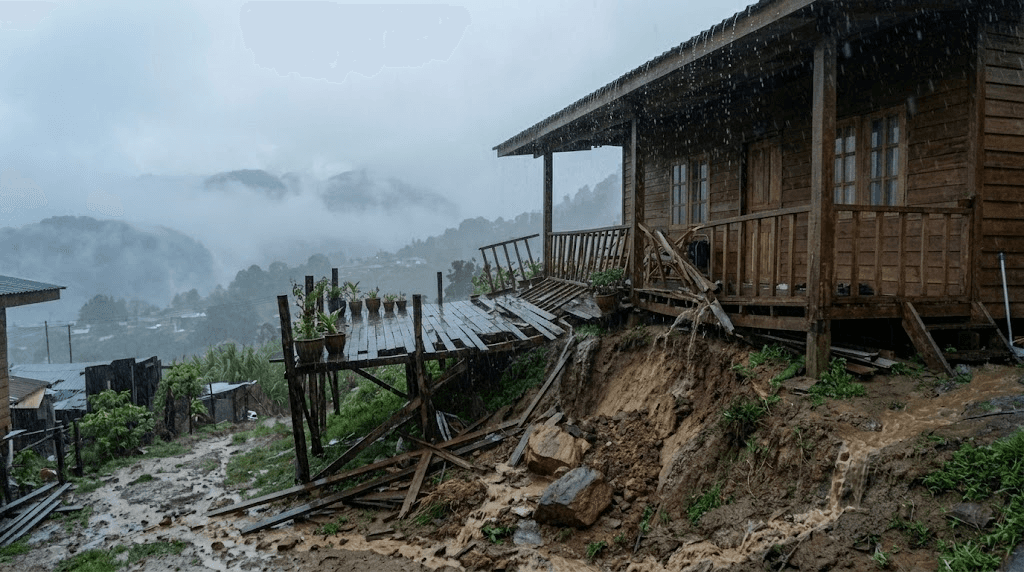
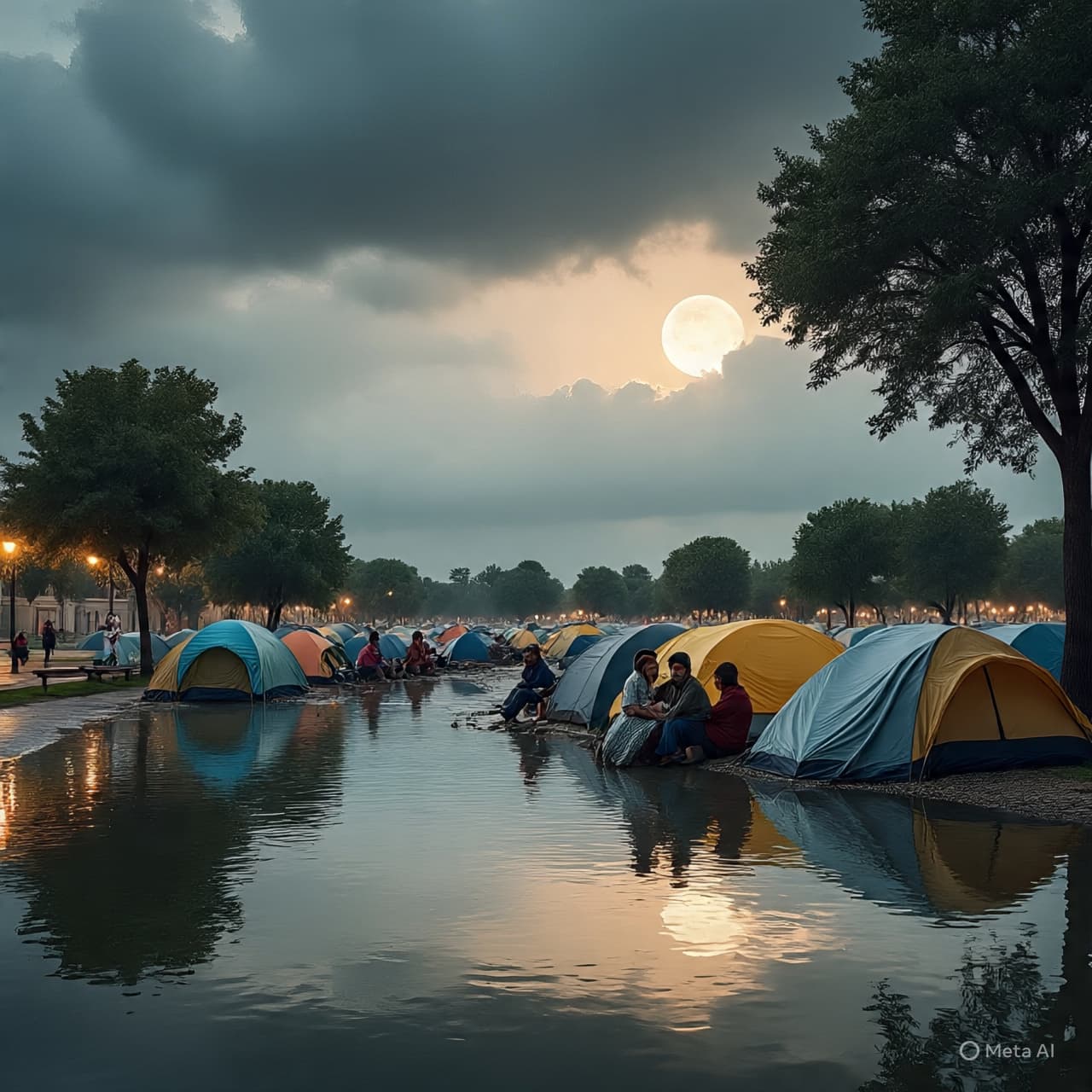
In the meantime, Gaza’s battered landscape — its tents waterlogged, its ruins at risk of collapse, and its displaced civilians bracing against the cold — bears witness to a broader humanitarian strain that has only worsened with the winter downpours.
The rain waits for no deal and no deadline. Yet in that quiet relent, those whose lives have been bound up in the search for a loved one continue to wait too — with patience as weary as the weathered ground beneath their feet.
AI Image Disclaimer Visuals are created with AI tools and are not real photographs.
Source Check – Credible Media Names NPR News (AP-based reporting via multiple public radio affiliates) Associated Press (via NPR syndication) Reuters (we know heavy weather is affecting Gaza from broader reporting) Reuters (context on broader storm impacts in Gaza) Reuters / UN reports on weather-related conditions in Gaza
Published by Banx Network. This article is part of the Banx decentralized media programme, powered by the BXE token on the XRP Ledger.