There are flavors that linger long after the wrapper is gone. They stay in memory, folded between childhood afternoons and the quiet rituals of celebration. In Estonia, chocolate once carried not only sweetness but ambition—a small northern nation with recipes, factories, and craftsmanship that could have written a larger chapter in Europe’s confectionery story.
Today, when the world speaks of chocolate mastery, it often turns to the alpine precision of Switzerland or the artisanal heritage of Belgium. Their brands are global, their techniques widely studied, their reputations nearly synonymous with quality cocoa. Yet Estonia, too, nurtured a chocolate tradition that once stood proudly within the Baltic region.
In Tallinn, the historic confectionery brand Kalev became a household name, producing chocolates and sweets that traveled across the Soviet Union and beyond. Founded in the early 20th century, Kalev’s factories represented both industrial progress and culinary identity. For decades, its products symbolized local pride—familiar blue wrappers, marzipan figures, and carefully crafted pralines.
Estonia’s confectionery heritage traces back even earlier, to small workshops in the 19th century that experimented with imported cocoa beans and European techniques. Tallinn’s old town once housed confectioners who blended Baltic tastes with continental influences. While Switzerland refined milk chocolate in Alpine dairies and Belgium perfected pralines in ornate shops, Estonia quietly built its own sweet repertoire.
Yet history does not unfold evenly. The upheavals of war, occupation, and centrally planned economies reshaped industrial priorities. Under Soviet rule, production volumes often outweighed branding ambitions. While quality remained important, international marketing and luxury positioning—elements that elevated Swiss and Belgian chocolate to global prestige—were less central within Estonia’s constrained economic framework.
When independence was restored in 1991, Estonia faced the task of rebuilding industries within a competitive global market. Confectionery production continued, and Kalev remained a respected brand domestically. However, entering the fiercely competitive premium chocolate arena required significant investment, export strategy, and brand storytelling—areas where established Western European producers already held a commanding presence.
Meanwhile, Switzerland and Belgium had decades of uninterrupted brand cultivation, tourism integration, and export infrastructure behind them. Chocolate in those countries became not only a product but a national symbol, intertwined with identity and economic strategy. Visitors travel to Zurich and Brussels partly to taste that heritage. Estonia’s chocolate story, though rich, did not receive the same international amplification.
In recent years, there has been renewed interest in artisanal food culture across the Baltics. Smaller producers and craft chocolatiers are emerging, drawing on local ingredients and contemporary design. Culinary tourism has grown steadily in Tallinn, and Estonian gastronomy more broadly has gained recognition within Northern Europe.
The question of whether Estonia “should have been” as successful as Switzerland or Belgium is perhaps less about missed opportunity and more about historical trajectory. Industrial ecosystems depend on stability, capital access, and global positioning. Estonia’s path through the 20th century differed profoundly from that of Western European economies.
Still, within Baltic homes, the taste of local chocolate remains familiar and cherished. Kalev products continue to line supermarket shelves, and confectionery production remains part of Estonia’s industrial landscape. While global dominance may not have materialized, the legacy endures—less loudly perhaps, but no less authentically.
Today, Estonia’s chocolate industry operates within a modern European framework, adapting to sustainability standards and shifting consumer preferences. Its heritage is not forgotten, though it may be less internationally visible. The future of Estonian chocolate will likely depend on innovation, niche positioning, and continued investment in quality craftsmanship.
For now, the story rests not in comparison, but in continuity. Estonia may not rival Switzerland or Belgium in global chocolate exports, but its confectionery tradition remains intact—quietly present, wrapped in memory, and still unfolding.
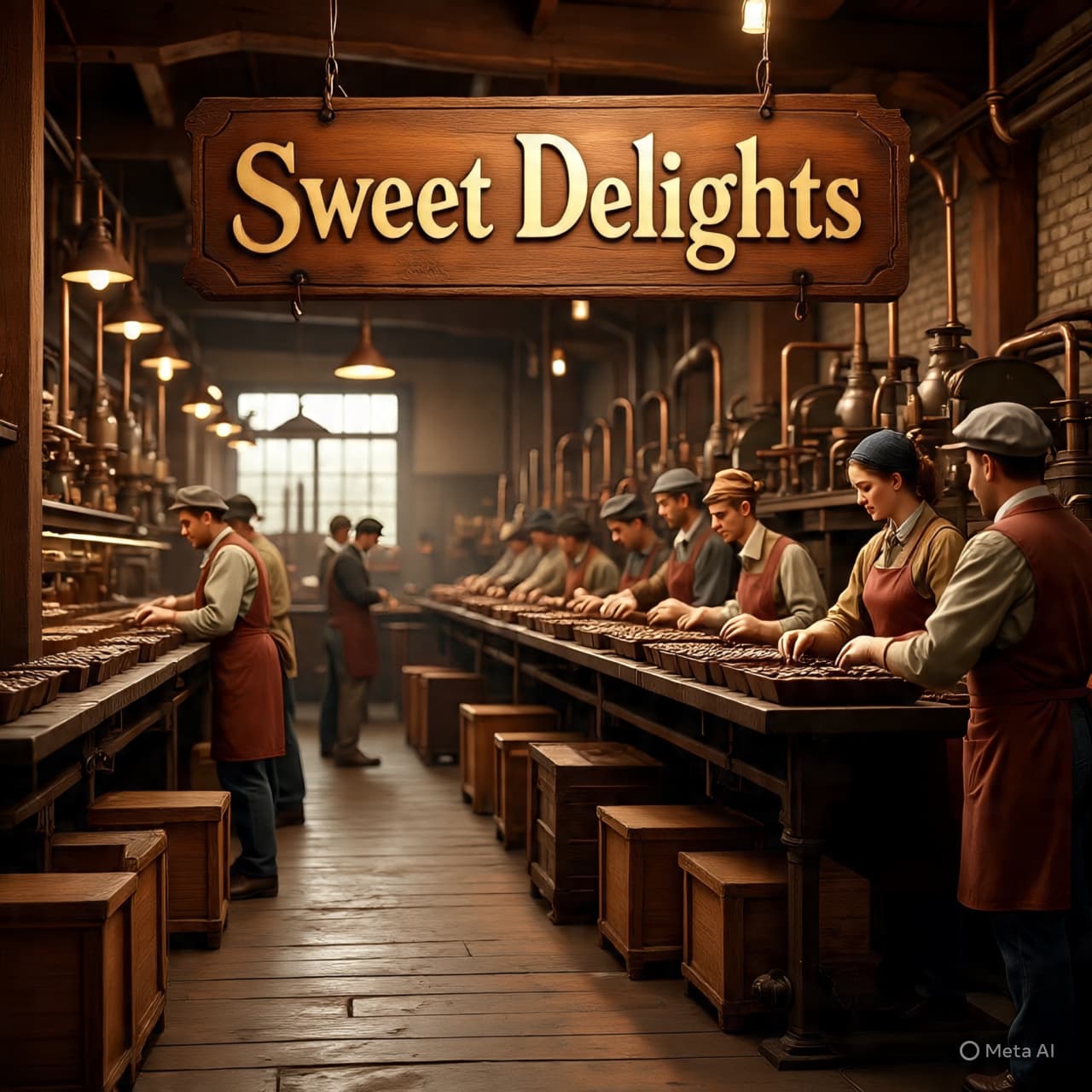
AI IMAGE DISCLAIMER Images in this article are AI-generated illustrations, meant for concept only.
SOURCE CHECK
Credible discussions on Estonia’s confectionery history and European chocolate industries can be found in:
ERR News Postimees The Baltic Times BBC Travel Financial Times
Published by Banx Network. This article is part of the Banx decentralized media programme, powered by the BXE token on the XRP Ledger.