

Key Highlights
- Estonia's chocolate heritage dates back to the 19th century.
- Kalev, a historic brand, symbolizes local pride and craftsmanship.
- Recent trends show a resurgence in artisanal chocolate production.
Estonia's chocolate heritage is a story woven into the fabric of its cultural identity, marked by flavors that evoke nostalgia and celebration. This small northern nation has a rich history of chocolate-making that, while overshadowed by the likes of Switzerland and Belgium, deserves recognition for its unique contributions to the confectionery world.
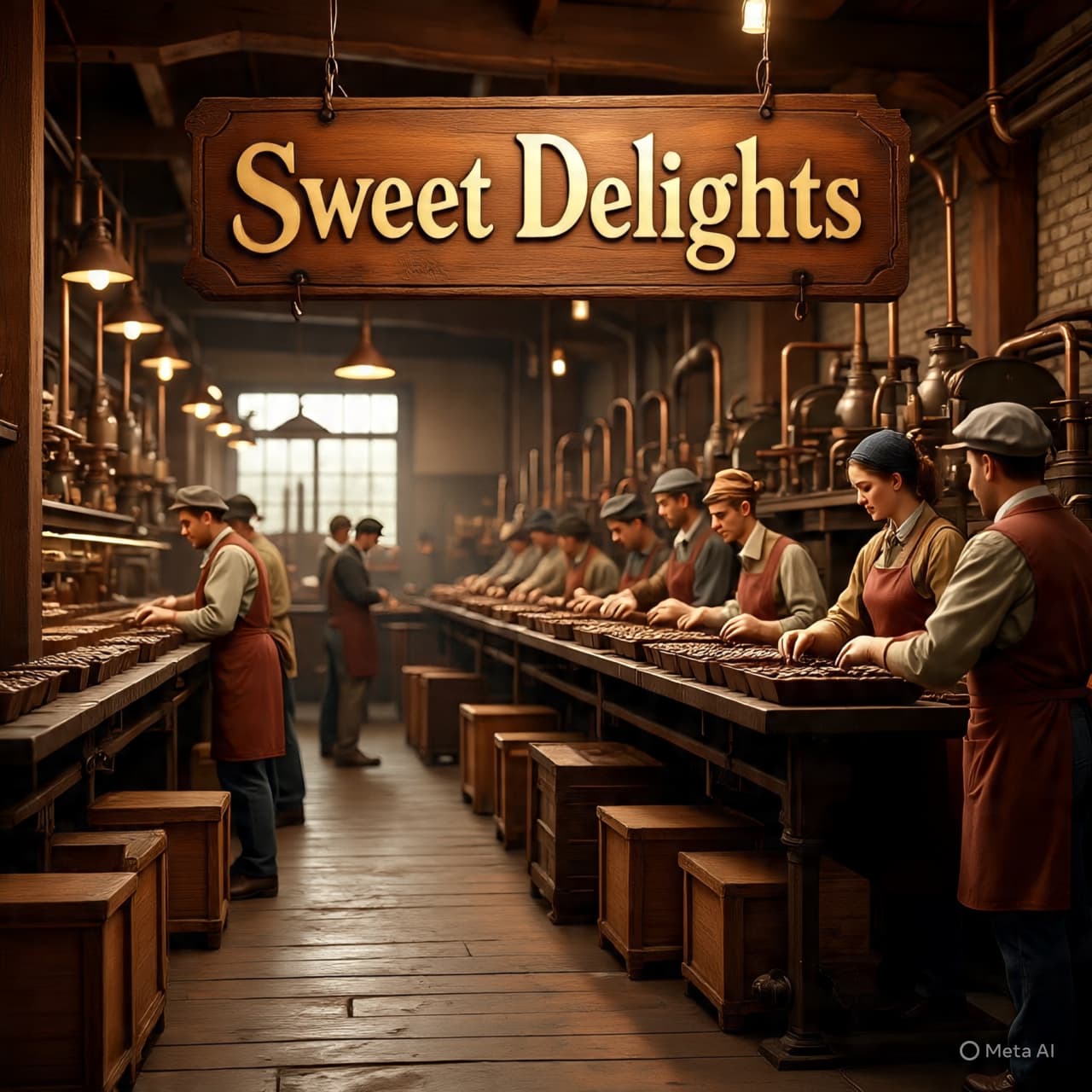
The journey of chocolate in Estonia began in the 19th century, with small workshops experimenting with imported cocoa beans and European techniques. Tallinn's old town was home to confectioners who blended local tastes with continental influences, creating a distinctive repertoire of sweets. The establishment of the Kalev brand in the early 20th century marked a significant milestone in this journey. Kalev became synonymous with quality, producing chocolates and sweets that were not only popular domestically but also traveled across the Soviet Union and beyond.
Kalev's blue wrappers and marzipan figures became iconic, representing both industrial progress and culinary identity. For decades, the brand symbolized local pride, showcasing the craftsmanship and creativity of Estonian chocolatiers. However, the tumultuous history of the 20th century, marked by wars and occupations, reshaped the landscape of Estonian chocolate production. Under Soviet rule, the focus shifted from branding and quality to production volume, limiting the potential for international recognition.
With the restoration of independence in 1991, Estonia faced the challenge of rebuilding its industries in a competitive global market. While Kalev continued to thrive domestically, the brand struggled to penetrate the premium chocolate market, which was already dominated by established Western European producers. The lack of investment in marketing and brand storytelling hindered Estonia's ability to elevate its chocolate to the same status as its Swiss and Belgian counterparts.
In recent years, however, there has been a resurgence of interest in artisanal food culture across the Baltics. New craft chocolatiers are emerging, drawing inspiration from local ingredients and contemporary design. Culinary tourism in Tallinn is on the rise, with visitors eager to explore Estonian gastronomy and its chocolate offerings. This renewed focus on quality and craftsmanship is helping to reshape the narrative around Estonian chocolate, allowing it to carve out a niche in the broader European market.
The question of whether Estonia could have achieved the same level of success as Switzerland or Belgium is complex. It reflects not only on missed opportunities but also on the historical trajectory that shaped the country's industrial landscape. Estonia's path through the 20th century was marked by instability and economic constraints, which influenced its chocolate industry's development.
Despite these challenges, the taste of local chocolate remains cherished in Estonian homes. Kalev products continue to be a staple in supermarkets, and the legacy of Estonian confectionery endures. While it may not rival the global dominance of Swiss or Belgian chocolate, Estonia's chocolate story is one of resilience and continuity, quietly present and still unfolding.
As the Estonian chocolate industry adapts to modern European standards and shifting consumer preferences, its heritage remains a vital part of its identity. The future of Estonian chocolate will likely depend on innovation, niche positioning, and continued investment in quality craftsmanship. The story of Estonia's chocolate is not just about competition; it is about preserving a rich tradition that continues to evolve and inspire.
Published by Banx Network. This article is part of the Banx decentralized media programme, powered by the BXE token on the XRP Ledger.




