

Key Highlights
- Trail Length:St Patrick’s Way spans 82 miles from Armagh to Downpatrick.
- Duration:The pilgrimage typically takes six to ten days to complete.
- Cultural Significance:The route connects historical sites related to St Patrick and early Christianity in Ireland.
St Patrick’s Way is more than just a walking trail; it is a pilgrimage that invites travelers to connect with the rich tapestry of Irish history and spirituality. Stretching 82 miles from the ancient city of Armagh to Downpatrick, where Ireland’s patron saint is believed to be buried, this route offers a unique opportunity to walk through both time and landscape. The journey is not merely physical; it is a spiritual exploration that resonates with the footsteps of countless pilgrims who have traversed this path over the centuries.
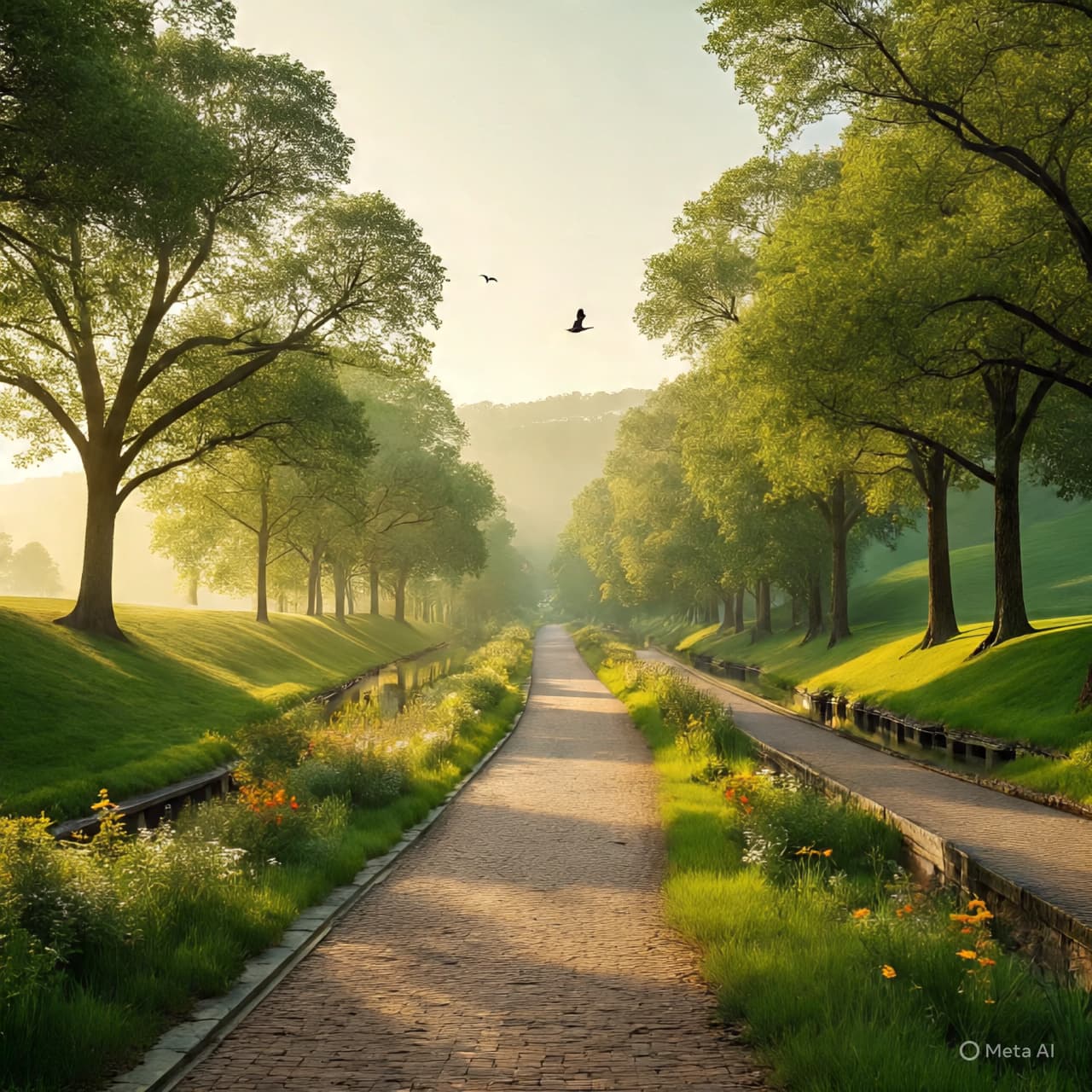
Beginning in Armagh, the trail is marked by the twin spires of St Patrick’s cathedrals, which stand as testaments to the faith that shaped this region. As walkers set off, they are greeted by the serene beauty of Northern Ireland’s countryside, where rolling hills and lush fields create a picturesque backdrop. The path meanders along tranquil canal towpaths and through quaint villages, inviting reflection and connection with the land.
Travelers on St Patrick’s Way often carry more than just their belongings; they carry stories and memories, collecting stamps in their pilgrim passports at ten significant stops along the route. Each stop serves as a reminder of the journey undertaken and the moments cherished. While some walk for leisure, others find a deeper spiritual calling, experiencing a rhythm in their steps that echoes the footsteps of those who walked before them.
The trail leads through the breathtaking Mourne Mountains, offering stunning vistas framed by shimmering loughs. Along the way, the landscape tells tales of hermits, early disciples, and ancient settlements, each contributing to the rich narrative of Ireland’s Christian heritage. The journey culminates at Down Cathedral, where the legend of St Patrick’s final resting place is marked by a weathered stone slab, and the Saint Patrick Centre provides insights into the early Christian history of the region.
Walking St Patrick’s Way is not just about reaching a destination; it is an invitation to slow down and immerse oneself in the natural beauty and historical significance of the surroundings. The scents of moss and sea breeze, combined with the weight of centuries of history, create a profound experience that resonates deeply with those who embark on this pilgrimage.
As the trail continues to gain popularity, thousands of walkers are drawn to its scenic beauty and cultural depth. In 2025, St Patrick’s Way will celebrate another year of growth, welcoming individuals from all walks of life to experience the landscapes that inspire and the stories that endure. Whether seeking adventure, reflection, or a connection to history, this pilgrimage offers something for everyone.
Published by Banx Network. This article is part of the Banx decentralized media programme, powered by the BXE token on the XRP Ledger.




