
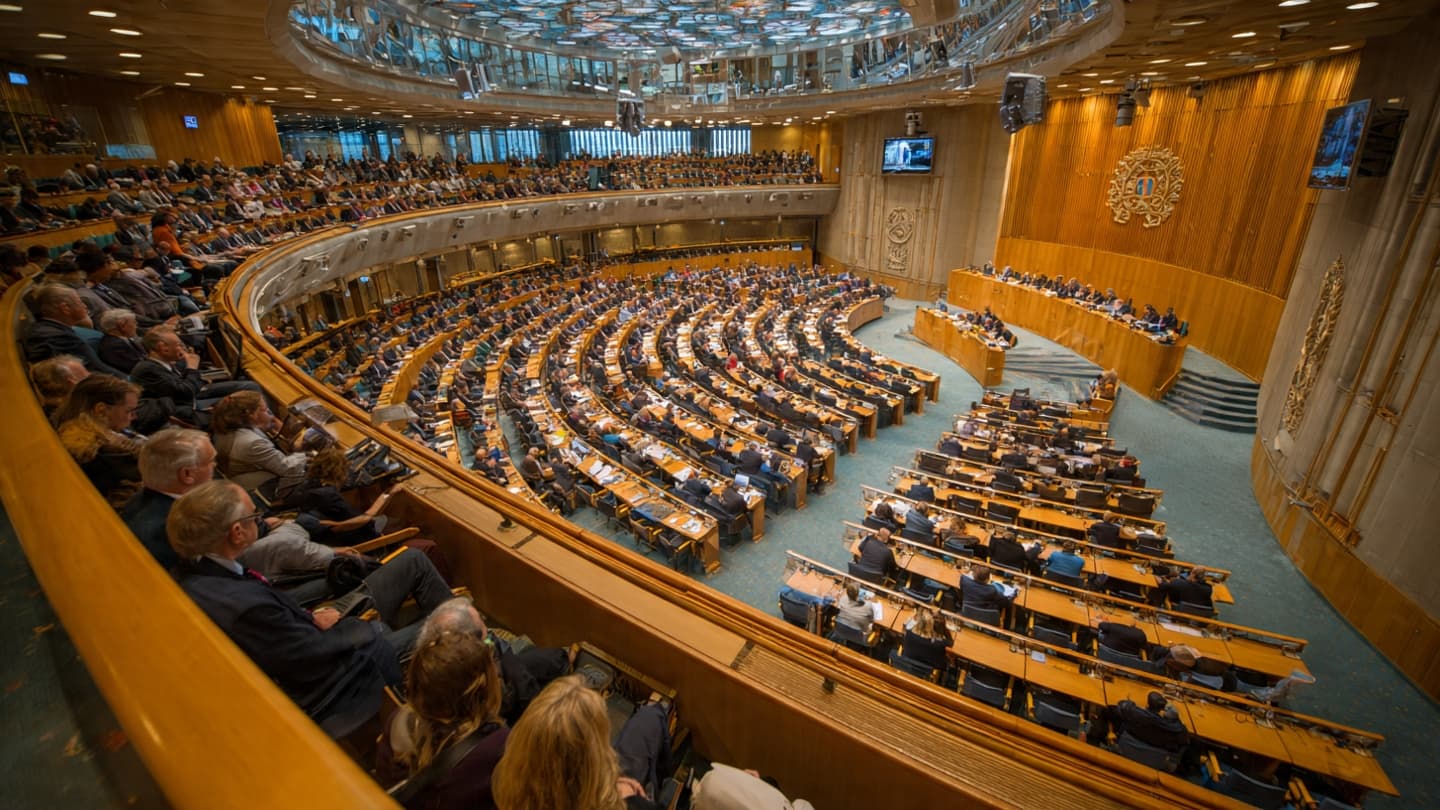
Political systems are often compared to machines, but in practice they behave more like living ecosystems, constantly adapting to internal and external pressures. In the Netherlands, recent shifts in coalition dynamics have once again highlighted how fragile and flexible parliamentary governance can be.
Coalitions in Dutch politics are not new, but their stability depends on continuous negotiation between parties with differing priorities. When these align, governance flows smoothly. When they diverge, even slightly, the system requires adjustment to maintain balance.
Recent developments have placed renewed attention on the strength of these alliances. Political actors are navigating a landscape where cooperation is essential but never guaranteed. This creates an environment where policy-making becomes a process of ongoing dialogue rather than fixed agreement.
Observers note that this structure encourages inclusivity but also demands patience. Each decision must pass through layers of consultation, ensuring that multiple perspectives are considered before implementation. While this can slow legislative progress, it also reinforces democratic representation.
Public sentiment reflects a mixture of familiarity and concern. Dutch voters are accustomed to coalition politics, yet the current level of fragmentation introduces new questions about long-term governance effectiveness. Issues such as housing, energy, and fiscal policy remain central to national debate.
Within parliament, discussions continue across committees and working groups. Even amid political tension, institutional processes remain active, suggesting that while alliances may shift, governance itself continues to function.
Analysts suggest that the current phase represents not a breakdown, but a recalibration of political balance. In such systems, stability is not static but continuously negotiated through dialogue and compromise.
As the Netherlands moves forward, its political landscape remains defined by adjustment rather than certainty, reflecting a democratic model that relies as much on negotiation as on numbers.
AI IMAGE DISCLAIMER Illustrations were produced with AI and serve as conceptual depictions.
SOURCE CHECK Reuters, NOS, DutchNews, NL Times, Euronews
Published by Banx Network. This article is part of the Banx decentralized media programme, powered by the BXE token on the XRP Ledger.

.jpg&w=3840&q=75 "US Declares Drought Disaster for Parts of Puerto Rico as Dry Conditions Persist")
