
Key Highlights
- Coalition politics in the Netherlands are characterized by ongoing negotiations.
- Recent fragmentation raises questions about governance effectiveness.
- Public sentiment reflects both familiarity and concern regarding coalition dynamics.
[Understanding Coalition Politics]
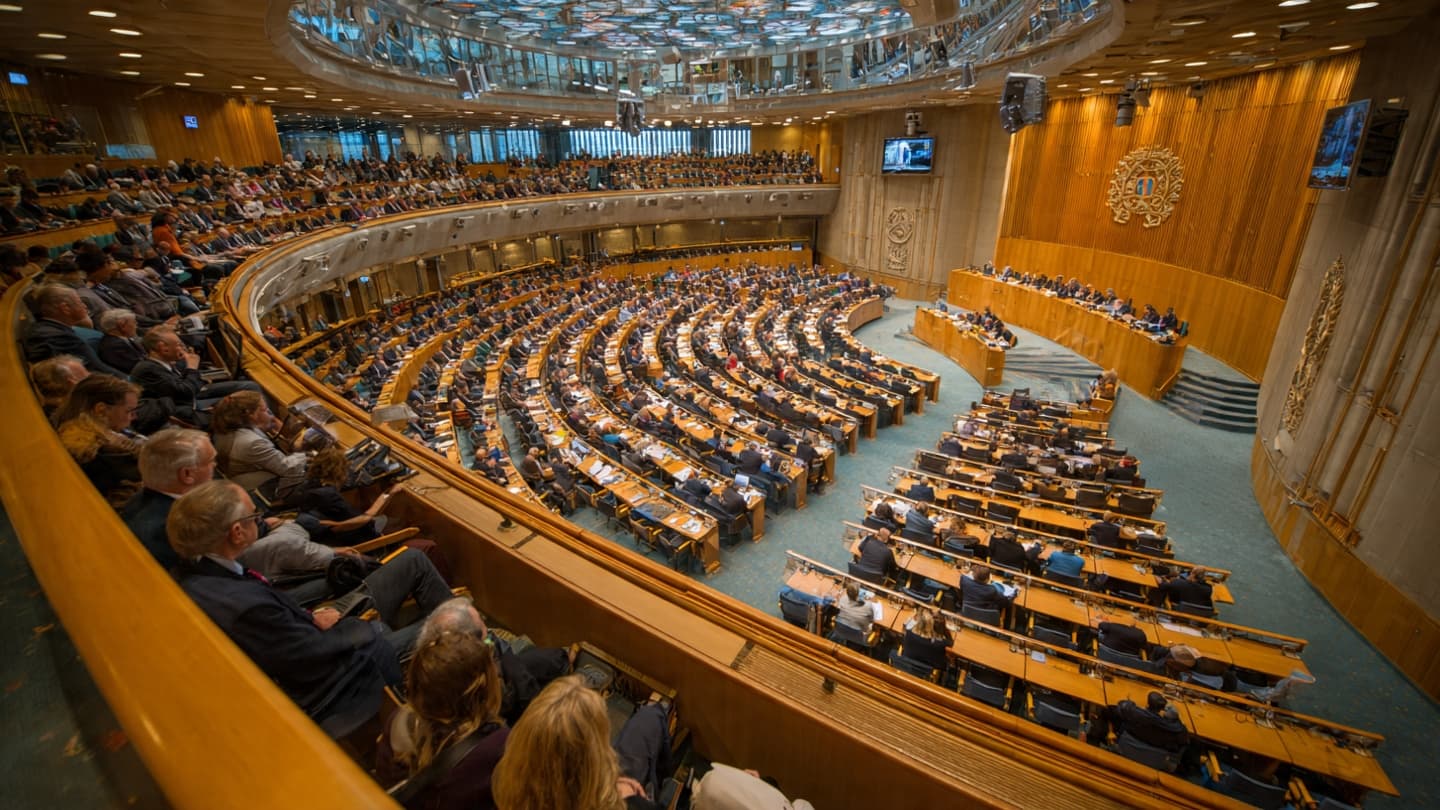
Political systems are often compared to machines, but in practice, they behave more like living ecosystems, constantly adapting to internal and external pressures. In the Netherlands, recent shifts in coalition dynamics have once again highlighted how fragile and flexible parliamentary governance can be. The current political landscape is marked by a series of negotiations that reflect the complexities of coalition politics, where stability is contingent upon the alignment of diverse party priorities.
Coalitions in Dutch politics are not new, but their stability depends on continuous negotiation between parties with differing priorities. When these align, governance flows smoothly. However, when they diverge, even slightly, the system requires adjustment to maintain balance. This delicate equilibrium is essential for effective governance, as it ensures that all voices are heard and considered in the decision-making process.
[Recent Developments and Public Sentiment]
Recent developments have placed renewed attention on the strength of these alliances. Political actors are navigating a landscape where cooperation is essential but never guaranteed. This creates an environment where policy-making becomes a process of ongoing dialogue rather than a fixed agreement. Observers note that this structure encourages inclusivity but also demands patience. Each decision must pass through layers of consultation, ensuring that multiple perspectives are considered before implementation. While this can slow legislative progress, it also reinforces democratic representation.
Public sentiment reflects a mixture of familiarity and concern. Dutch voters are accustomed to coalition politics, yet the current level of fragmentation introduces new questions about long-term governance effectiveness. Issues such as housing, energy, and fiscal policy remain central to national debate, with citizens increasingly aware of the implications of coalition dynamics on their daily lives.
[Institutional Processes Amid Political Tension]
Within parliament, discussions continue across committees and working groups. Even amid political tension, institutional processes remain active, suggesting that while alliances may shift, governance itself continues to function. Analysts suggest that the current phase represents not a breakdown, but a recalibration of political balance. In such systems, stability is not static but continuously negotiated through dialogue and compromise.
[The Future of Dutch Governance]
As the Netherlands moves forward, its political landscape remains defined by adjustment rather than certainty, reflecting a democratic model that relies as much on negotiation as on numbers. The ability of coalition partners to navigate their differences will be crucial in addressing pressing national issues and maintaining public trust in the political system. The ongoing evolution of coalition politics in the Netherlands serves as a reminder of the complexities inherent in democratic governance, where compromise is both a necessity and a challenge.
Published by Banx Network. This article is part of the Banx decentralized media programme, powered by the BXE token on the XRP Ledger.



