There are moments in travel when the horizon feels as wide and welcoming as an open sea, and other times when it closes in with an unexpected hush. Over the weekend in the Caribbean — a mosaic of sunlit beaches and laughter that often feels like vacation itself — that stillness arrived abruptly, not from a storm, but from the tremors of geopolitical action. As U.S. forces carried out a dramatic operation resulting in the capture of Venezuela’s President Nicolás Maduro, the ripple effects reached far beyond the cities and seas of South America, extending into the skies above the Caribbean islands and reshaping journeys home for countless American tourists.
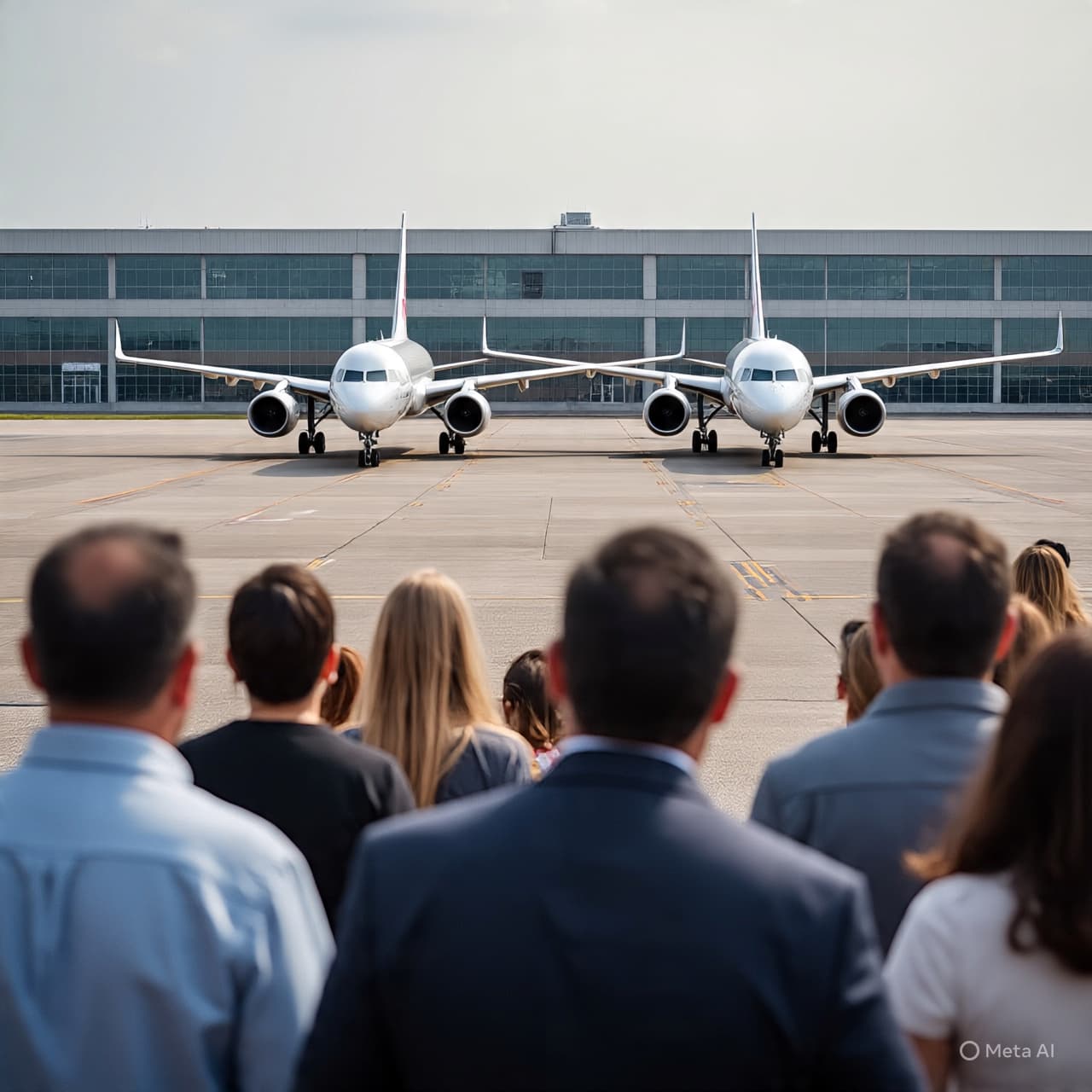
What was meant to be the closing chapter of winter holidays became, for many, a story of patience and uncertainty. Early reports came in of Federal Aviation Administration notices barring U.S. carriers from flying through Eastern Caribbean airspace due to ‘safety-of-flight’ risks connected with military activity. Airports from San Juan, Puerto Rico, to Aruba and the Lesser Antilles saw schedules unravel — hundreds of flights were canceled, families delayed, and vacation plans paused indefinitely.
“I thought it would be a long flight, but not like this,” said one traveler stranded with her family after their San Juan-to-Philadelphia flight was postponed by days. Her words caught the blend of exhaustion and hopeful expectation shared by many who found themselves holding tickets but no clear departure time.
As airline counters filled with anxious faces and digital screens blinked with “Cancelled” across destinations, carriers scrambled to respond — waiving change fees, adding extra flights, and repositioning larger aircraft to accommodate those stuck in limbo. Major U.S. airlines including American, JetBlue, Delta, and United reported adding thousands of extra seats in an effort to restore service quickly once airspace limits lifted.
By early Sunday, transportation officials announced that airspace restrictions had expired at midnight Eastern Time, allowing commercial flights to begin resuming across the region. Yet for many travelers, the path home remained delayed, tangled in the backlog that grew over the course of the closure. Some families faced stays extended by days; others waited anxiously for any available seat that might carry them back across the horizon and into the familiar rhythms of work, school, and everyday life.
Amid the frustration, there was also a quiet undercurrent of resilience. Stranded passengers used the unexpected pause to share stories, help one another navigate accommodations, and find comfort in community even while waiting for wheels to turn. Through it all, the skies over the Caribbean — momentarily still — held the promise that soon enough, the hum of aircraft would return, carrying travelers homeward once more.
AI Image Disclaimer “Illustrations were produced with AI and serve as conceptual depictions.”
Sources ABC News / Good Morning America, NBC Boston, NBC Miami, Travel and Tour World, Reuters/Associated Press.
Published by Banx Network. This article is part of the Banx decentralized media programme, powered by the BXE token on the XRP Ledger.