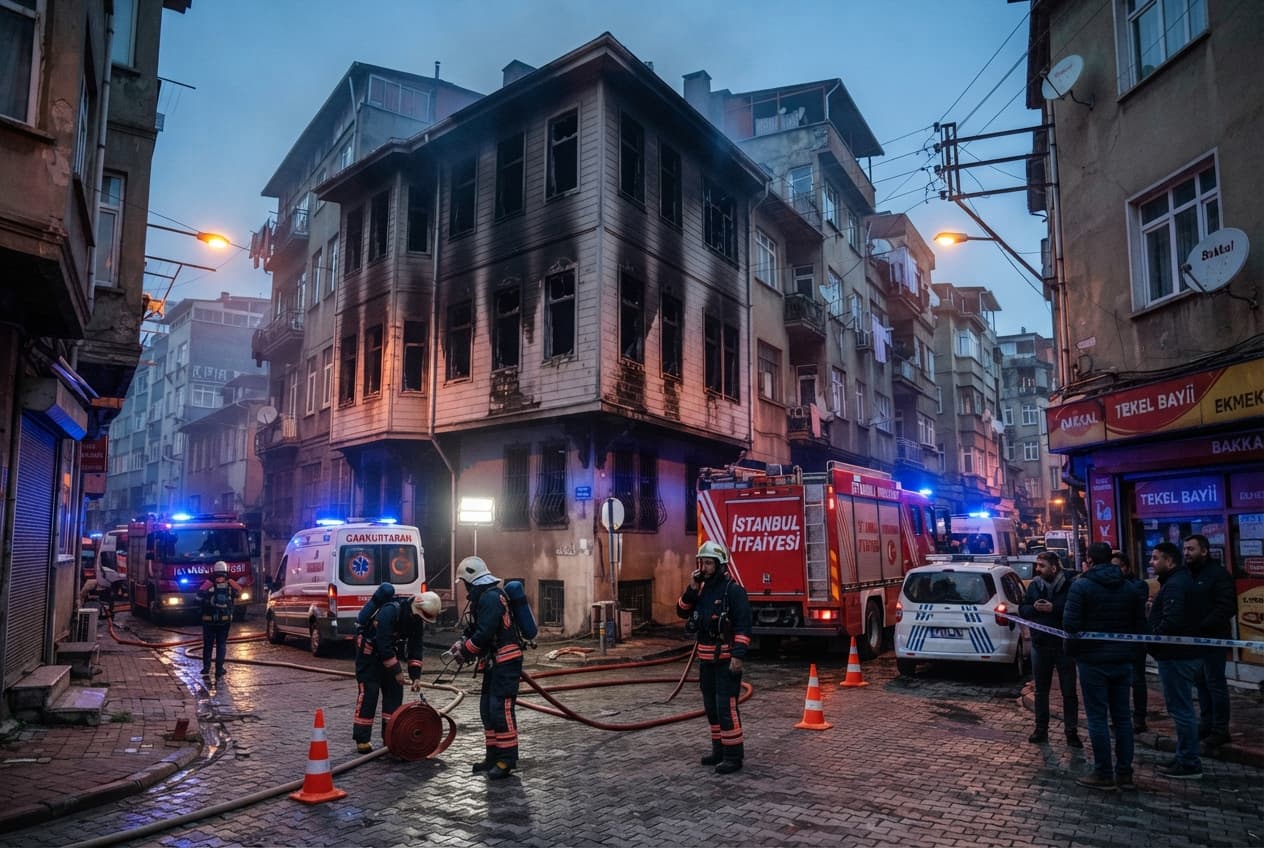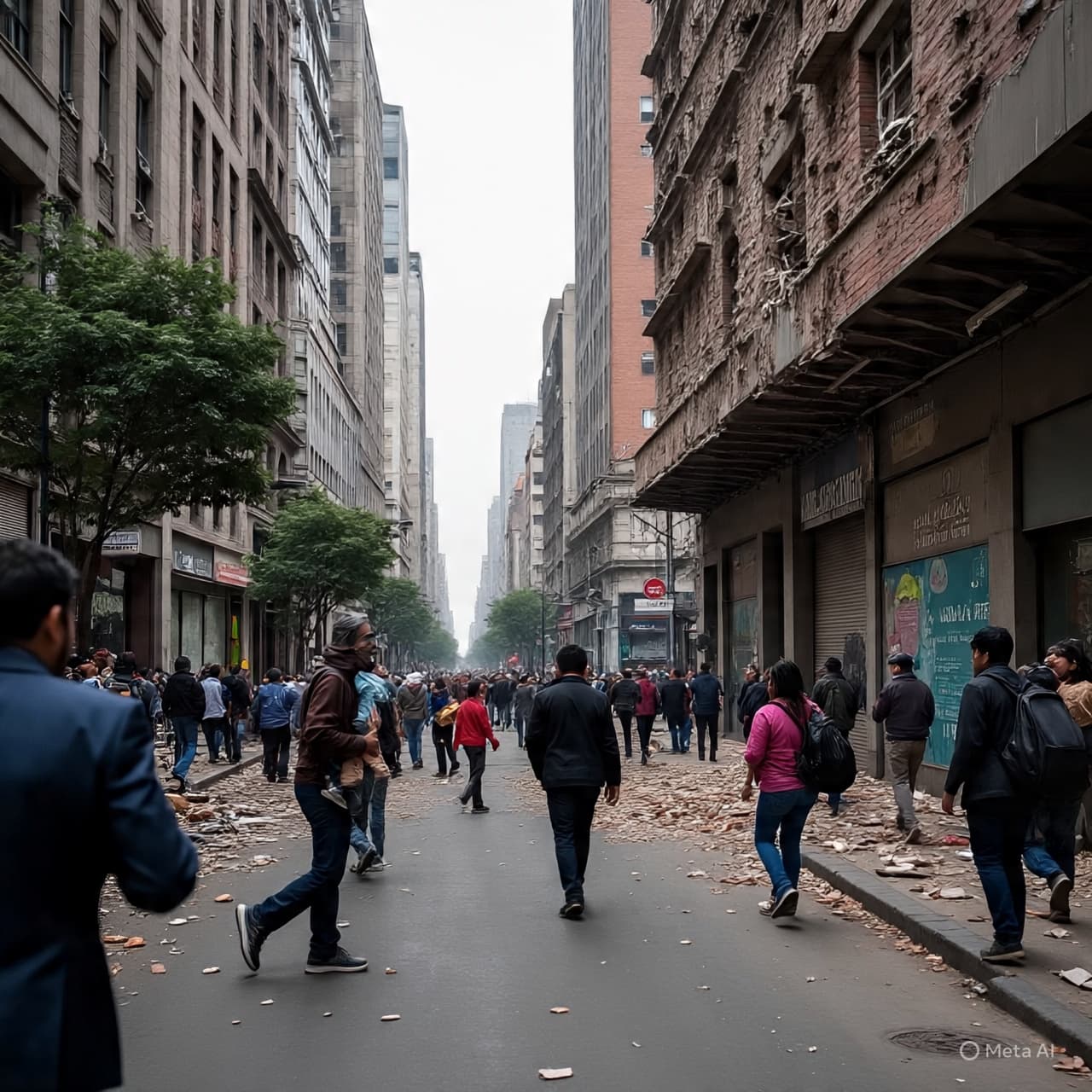
As the first sun of the new year began to warm southern Mexico, the ground beneath shook with a force that jolted residents from routine morning moments into stark awareness. In a land woven with tectonic restlessness, the familiar hum of daily life was interrupted by the tremor and the blare of seismic alarms, a sudden reminder of both nature’s power and the enduring resilience of communities built upon shifting earth. Early on Jan. 2, 2026, a preliminary magnitude‑6.5 earthquake rippled through southern and central Mexico, its reach felt from the Pacific coast resort near Acapulco to the capital’s sprawling urban grid, marking the dawn of not just a new year, but another chapter in the nation’s long history with seismic activity.
According to Mexico’s national seismological agency, the earthquake struck at 07:58 local time with its epicenter near San Marcos, in the southern state of Guerrero, not far from the scenic shores of Acapulco. The U.S. Geological Survey reported the temblor occurred at a depth of about 35 kilometers (21.7 miles) beneath the surface, a depth that allowed the vibrations to transmit widely, prompting residents to feel shaking across a broad swath of the country.
In Mexico City, thousands of people — both residents and visitors — felt the quake’s impact strongly enough to prompt evacuations from buildings and prompt a temporary pause in the day’s activities. The country’s seismic alert system sounded across multiple states before the shaking reached its peak, giving some people precious seconds to step to safety as office lights swayed and coffee cups rattled.
The quake’s effects were not merely felt — they were seen and heard. Landslides were reported along highways near Acapulco, where slopes loosened under the sudden movement, blocking roads and creating hazards for motorists and responders alike. Emergency services dispatched teams to assess infrastructure and coordinate safety checks across affected communities, mindful of risks from aftershocks and structural strain. Early reports also noted damage to buildings, including a hospital in Guerrero’s capital, Chilpancingo, where patients were evacuated as a safety precaution.
Tragically, the quake was not without human cost. Authorities confirmed at least two deaths related to the shaking: one person reportedly perished when their home collapsed near the epicenter, and another died in Mexico City from a medical emergency and fall while evacuating a building. Scores of aftershocks followed the main tremor, with more than 500 recorded in the hours that followed, keeping communities on alert and complicating initial response efforts.
The quake’s geographical reach and impact underscored the country’s ongoing vulnerability to seismic events. Mexico sits atop the convergence of several tectonic plates, including the Cocos, North American, and Pacific plates, making it one of the world’s more seismically active regions. Historical earthquakes — including devastating events in 1985, 2017 and 2022 — have shaped both public awareness and national preparedness efforts. While today’s quake was less powerful than those catastrophes, its timing and breadth of effect served as a sober reminder that the earth’s shifting currents beneath Mexico remain vigilant.
In the hours after the quake’s tremors faded, communities from Guerrero to Mexico City took stock — checking loved ones, inspecting buildings, and resuming routines touched by early‑morning urgency. As officials continue to evaluate infrastructure and support recovery where needed, the nation’s well‑practiced response systems and resilient spirit have once again been tested and reaffirmed. Though the earth’s rumble was sudden, the collective calm that followed spoke to generations of living with the rhythms of seismic life — a narrative as old as the land itself and as present as the morning’s quaking ground.
AI Image Disclaimer: Graphics are AI‑generated and intended for representation, not reality.
Sources: Associated Press coverage via multiple news outlets; El Economista; Wikipedia entry on the 2026 Guerrero earthquake; NBC New York reporting.
Published by Banx Network. This article is part of the Banx decentralized media programme, powered by the BXE token on the XRP Ledger.