Justice, when it arrives, often comes with a heavy heart. In Springfield, Illinois, the legal chapter of a tragic story has closed with the death of Sean Grayson, the former sheriff’s deputy who shot and killed Sonya Massey in her own home. Grayson, who was 32 years old, died while awaiting trial for murder, leaving behind a legacy of controversy and a community still grappling with the loss of an innocent life. His passing ends the possibility of a courtroom verdict but does not erase the pain inflicted on Massey’s family.
Sonya Massey, a 36-year-old mother of three, was killed in July 2023 during a routine welfare check. Grayson had responded to a call regarding a potential gas leak at Massey’s residence. Instead of providing assistance, he escalated the situation, shooting Massey multiple times in what prosecutors described as an unjustified use of force. The incident was captured on body camera footage, which later became central to the case against him.
Grayson was charged with first-degree murder and official misconduct. The charges were significant, reflecting the severity of the breach of trust. As a law enforcement officer, he was expected to protect and serve, yet his actions resulted in the taking of a civilian life without provocation. The case drew national attention, highlighting ongoing debates about police accountability and the use of deadly force.
While awaiting trial, Grayson remained incarcerated. His death, reported by local authorities, cuts short the judicial process. For Massey’s family, this means they will never see a jury deliver a verdict or hear a judge impose a sentence. The lack of legal closure can be difficult, leaving many questions unanswered and feelings of injustice unresolved.
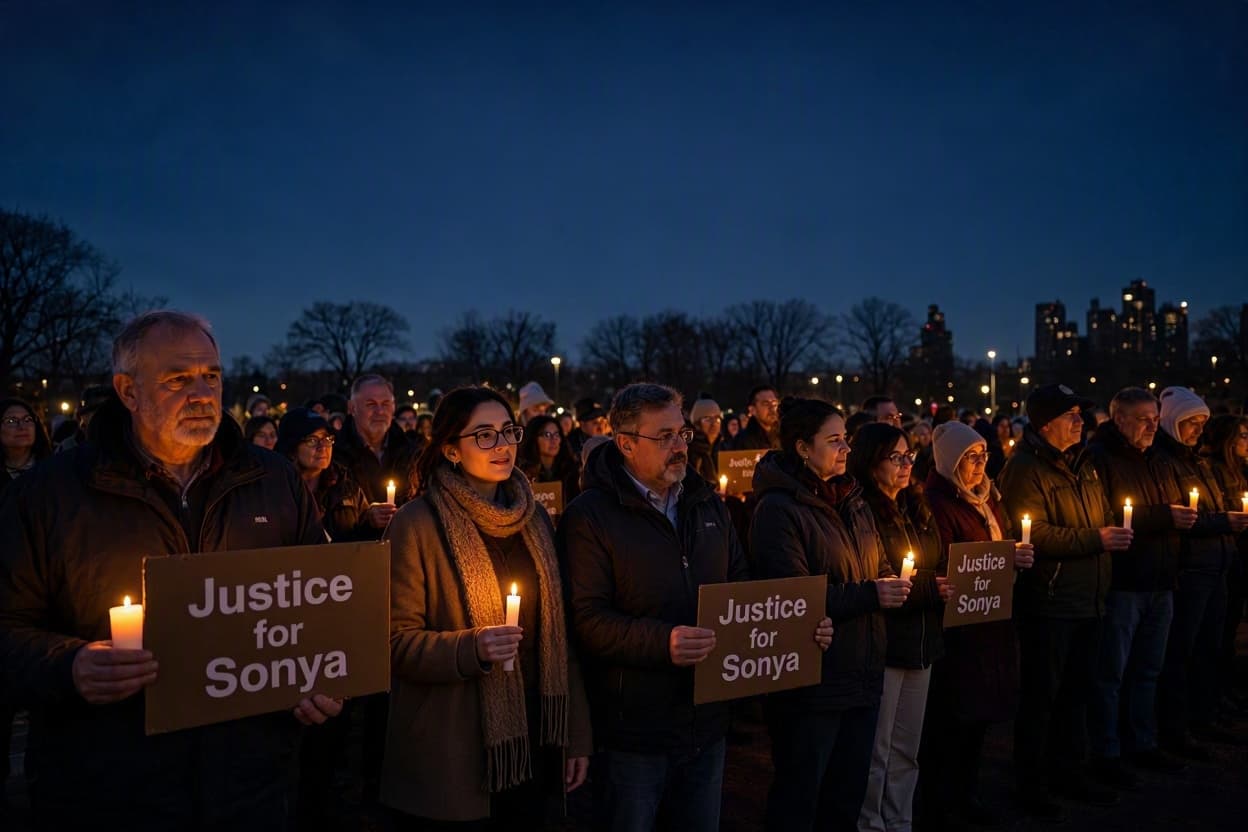
Community reaction to Grayson’s death is mixed. Some express relief that he will face no further legal proceedings, while others mourn the lost opportunity for public accountability. Activists who rallied for justice for Sonya Massey continue to emphasize the need for systemic change to prevent similar tragedies. They argue that individual deaths, whether of victims or perpetrators, should not distract from the broader issue of police reform.
The body camera footage of the incident remains a powerful piece of evidence, even without a trial. It serves as a stark record of what happened, ensuring that Sonya Massey’s story is not forgotten. Her family has spoken out about her kindness and vitality, hoping to keep her memory alive beyond the headlines of her death.
Legal experts note that civil lawsuits may still proceed against Grayson’s estate or the sheriff’s department. These cases can provide a different form of accountability, focusing on financial restitution and policy changes rather than criminal punishment. For many families, this is the only remaining path to seek some measure of justice.
As the community moves forward, the focus returns to honoring Sonya Massey. Her life, cut short by violence, reminds us of the value of every individual and the responsibility of those sworn to protect them. The tragedy underscores the urgent need for transparency and trust in law enforcement.
The death of Sean Grayson closes one door but leaves another open for reflection and reform. It is a sobering end to a case that demanded justice, reminding us that true accountability extends beyond the courtroom to the hearts and minds of the community.
AI Image Disclaimer: Visuals associated with this article are AI-generated interpretations designed to reflect the urgency and scale of the public safety concern.
Sources: ABC News, CBS News, The Guardian, Associated Press
Published by Banx Network. This article is part of the Banx decentralized media programme, powered by the BXE token on the XRP Ledger.