
Key Highlights
- Iran maintains closure of the Strait of Hormuz, impacting global oil shipments.
- U.S. deploys naval assets to ensure freedom of navigation in the region.
- Diplomatic efforts continue, but progress remains slow amid rising tensions.
In the strategic waters of the Persian Gulf, where global energy flows converge, tensions remain high as Iran maintains the closure of the Strait of Hormuz. This vital chokepoint for oil shipments serves as a powerful lever in geopolitical negotiations. Despite international pressure and indirect offers for dialogue, Tehran has ruled out direct talks with the United States, citing unresolved grievances and perceived breaches of previous agreements. This standoff keeps the region in a precarious balance, with significant implications for global trade and security.
Iranian officials have stated that the strait will remain closed until certain conditions are met, including the cessation of hostilities by Israel and the lifting of specific sanctions. They argue that the U.S. has failed to uphold its commitments under interim ceasefire agreements, making further dialogue premature. This stance reflects a deep-seated distrust of Western intentions, complicating the already tense situation.
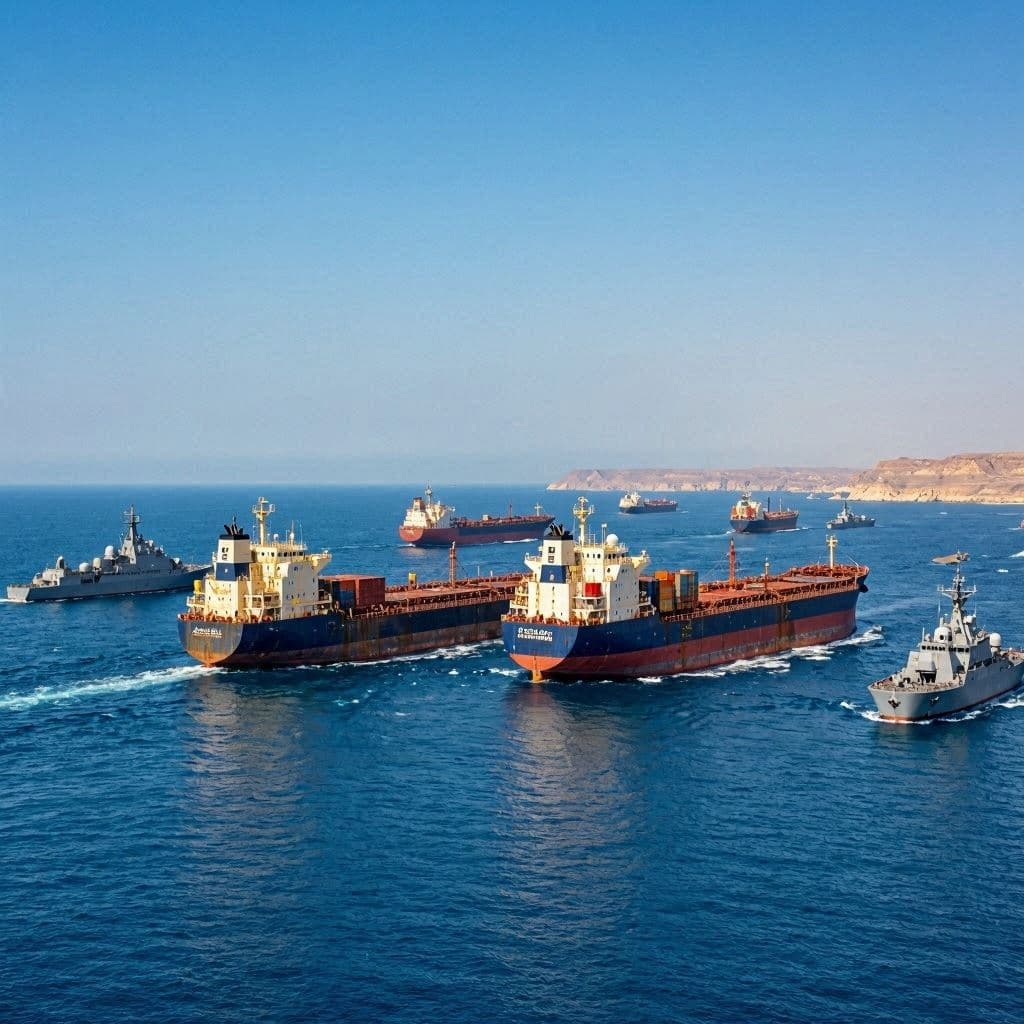
In response, the United States has deployed additional naval assets to the region to ensure freedom of navigation and protect allied interests. Washington continues to call for the reopening of the strait, emphasizing the global economic impact of the blockade. Diplomatic channels remain open through mediators like Qatar and Oman, but progress has been slow, with both sides entrenched in their positions.
Global markets have reacted with caution, as uncertainty persists. Oil prices have fluctuated, reflecting investor anxiety about potential disruptions. Countries dependent on Gulf energy exports are closely monitoring the situation, seeking alternative routes and supplies to mitigate risks. The economic implications of the strait's closure extend beyond the immediate region, affecting global energy prices and supply chains.
The humanitarian impact on local populations is also a concern. Restrictions on movement and trade affect daily life in coastal communities, exacerbating economic hardships. International aid organizations are working to provide support, but access remains challenging due to security constraints. The local populace faces increasing difficulties as the economic situation deteriorates, leading to calls for relief and assistance.
Regional allies of the U.S., including Saudi Arabia and the UAE, have expressed support for reopening the strait. They emphasize the need for stability and cooperation to ensure regional prosperity. Their involvement adds another layer to the complex diplomatic landscape, as these nations seek to balance their interests with the broader geopolitical dynamics at play.
Experts warn that prolonged closure could lead to unintended escalations. Miscalculations or accidental confrontations between naval forces pose a real risk. De-escalation requires careful communication and confidence-building measures, which are currently in short supply. The potential for conflict remains a significant concern as tensions escalate in this critical maritime corridor.
Public opinion in Iran remains divided, with some supporting the hardline stance and others calling for economic relief through negotiation. The government faces internal pressure to resolve the crisis without appearing to capitulate to external demands. As the situation evolves, the focus remains on finding a diplomatic off-ramp. Mediators continue to shuttle between capitals, seeking common ground. The hope is that pragmatic interests will eventually outweigh ideological rigidities.
The continued closure of the Strait of Hormuz and the refusal of talks highlight the deep divisions in Middle Eastern geopolitics. It serves as a reminder that resolution requires patience, trust, and a willingness to engage in difficult conversations.
Published by Banx Network. This article is part of the Banx decentralized media programme, powered by the BXE token on the XRP Ledger.



