Heat is a silent force, one that can warp steel and dry rivers, challenging the very infrastructure we rely on for comfort and industry. Across Europe, a severe heatwave has led to record-low water levels in major rivers like the Danube, threatening the cooling systems of nuclear power plants. This crisis invites reflection on the vulnerability of energy systems to climate change and the difficult choices faced by policymakers. It is a moment where the demand for power meets the limits of nature.
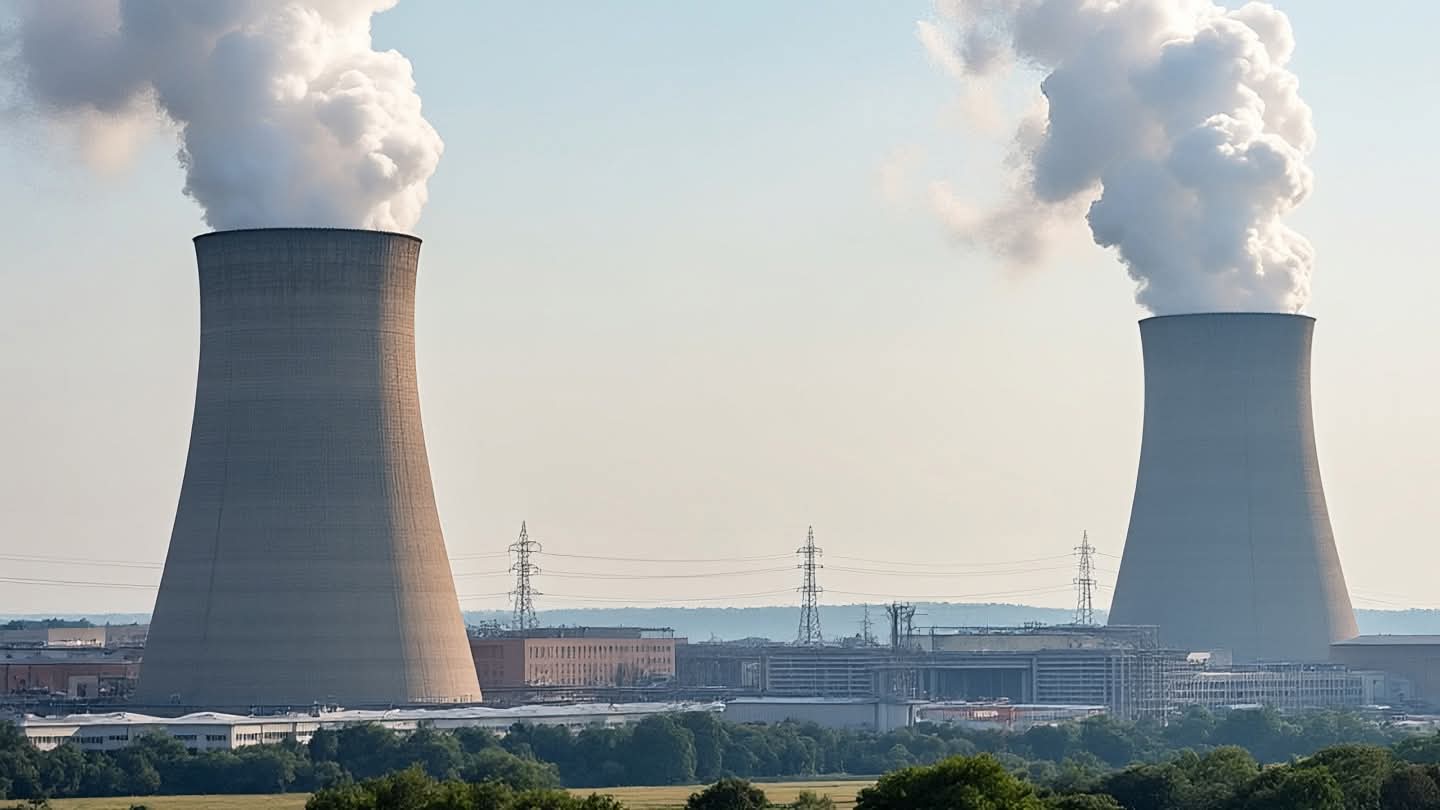
Nuclear reactors require vast amounts of water for cooling, and when river levels drop or temperatures rise too high, efficiency plummets. In countries like Hungary, Romania, and Bulgaria, operators have been forced to reduce output or shut down reactors entirely. Water cools power. Heat disrupts flow.
The situation has prompted drastic measures, including emergency water transfers and restrictions on other industrial uses. For communities facing blackouts or higher energy bills, the impact is immediate and tangible. Scarcity drives action. Crisis reveals dependency.
Climate scientists warn that such events will become more frequent and intense, requiring a reevaluation of energy infrastructure. Adaptation strategies, such as alternative cooling methods or diversified energy sources, are becoming essential. Change demands innovation. Resilience is key.
For the European Union, which aims to balance nuclear power with renewable goals, this challenge highlights the complexity of the transition. Ensuring energy security while combating climate change is a delicate balancing act. Balance ensures stability. Policy guides progress.
As the heat persists, the focus remains on managing the immediate shortfall and planning for a hotter future. The hope is that lessons learned today will lead to more robust and sustainable systems tomorrow. Wisdom grows from hardship. Future needs preparation.
Scorching heat and low river levels in Europe are forcing nuclear power plants to reduce output or shut down, straining energy supplies. Governments are implementing emergency measures to manage the crisis. The hope is for improved infrastructure resilience and effective climate adaptation strategies.
AI Image Disclaimer: The images provided are AI-generated to visually represent the environmental and energy aspects of the story.
Sources: New Scientist The Independent WUNC
Published by Banx Network. This article is part of the Banx decentralized media programme, powered by the BXE token on the XRP Ledger.