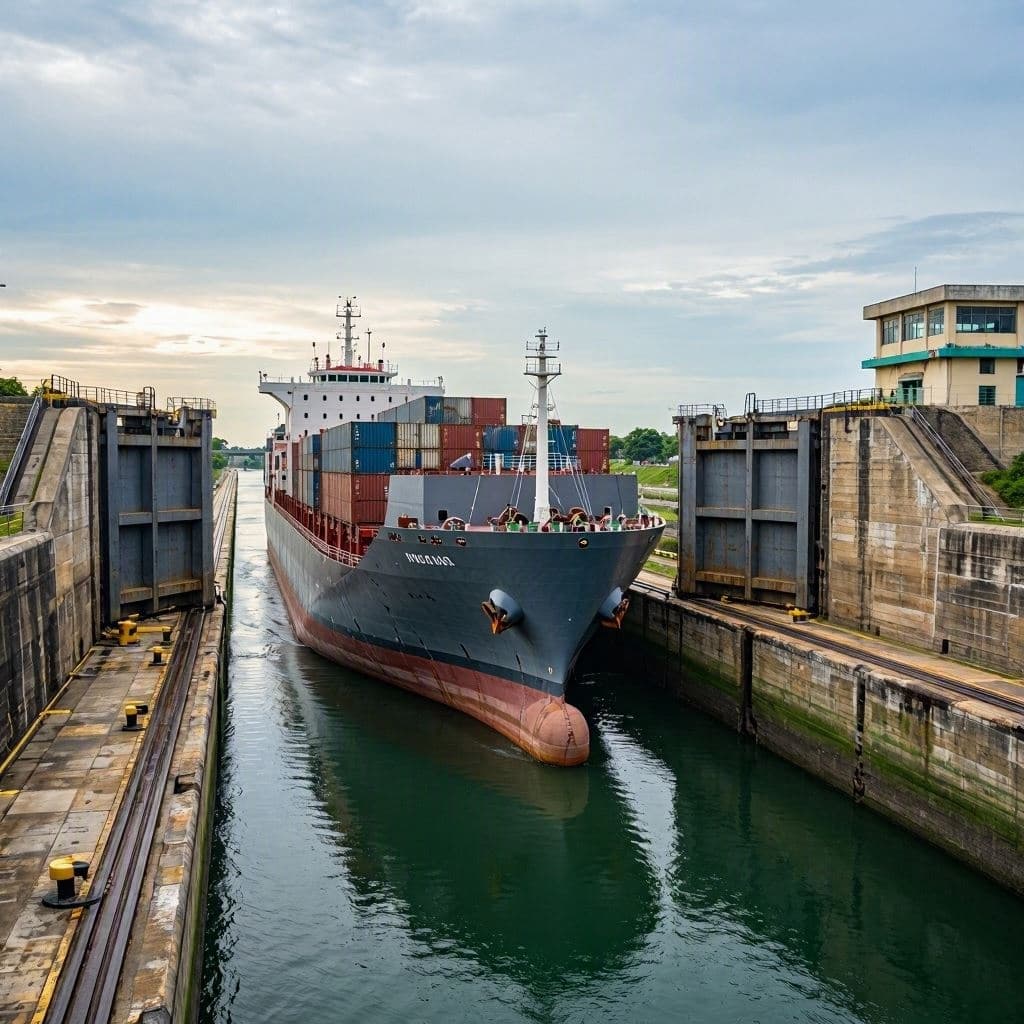
The Panama Canal is a marvel of engineering, a slender artery of water that connects two vast oceans and facilitates the flow of global commerce. For over a century, it has been a reliable passage for ships carrying everything from consumer goods to raw materials. However, this vital lifeline is facing a new challenge: drought. As water levels drop due to changing weather patterns, the capacity of the canal is being reduced, forcing shipping companies to adjust their schedules and costs. This situation serves as a stark reminder of how climate variability can disrupt even the most robust infrastructure.
The canal operates using a system of locks that raise and lower ships between different water levels. Each transit requires a significant amount of fresh water, drawn from Gatun Lake. When rainfall is insufficient, the lake’s level drops, limiting the number of ships that can pass through each day. Recently, persistent dry conditions have led to stricter restrictions, including reduced draft limits and fewer daily slots. These measures are necessary to conserve water but have significant implications for global supply chains.
Shipping companies are feeling the pinch as delays mount and costs rise. Some vessels are forced to wait longer for transit, while others must lighten their cargo loads to meet the reduced draft requirements. This inefficiency translates into higher freight rates, which can eventually affect consumer prices. The ripple effects are felt worldwide, from retailers stocking shelves to manufacturers waiting for components. The canal’s bottleneck highlights the vulnerability of just-in-time logistics to environmental factors.
The cause of the drought is linked to broader climate change trends, which are altering precipitation patterns in the region. El Niño phenomena and other climatic shifts have contributed to lower rainfall, exacerbating the water scarcity. Experts warn that such events may become more frequent and severe in the future, posing a long-term threat to the canal’s operational stability. This reality necessitates a reevaluation of water management strategies and infrastructure resilience.
In response, the Panama Canal Authority is implementing various measures to mitigate the impact. These include investing in water-saving technologies, exploring alternative water sources, and optimizing lock operations. There are also discussions about long-term solutions, such as building new reservoirs or expanding the canal’s capacity. However, these projects require significant time and investment, meaning that short-term disruptions are likely to continue.
The economic impact extends beyond shipping costs. It affects the competitiveness of ports and trade routes. Some shippers are considering alternative routes, such as the Suez Canal or rail transport across North America, although these options also have limitations and higher costs. The diversification of supply chains becomes a strategic priority for businesses seeking to reduce dependency on a single choke point. This shift could reshape global trade dynamics in the coming years.
For Panama, the canal is a crucial source of national revenue. Any reduction in transit volume directly impacts the country’s economy. The government is balancing the need to maintain operational integrity with the pressure to keep trade flowing. It is a delicate act that requires careful planning and international cooperation. The situation underscores the importance of sustainable resource management in maintaining economic stability.
As the world watches the Panama Canal navigate this crisis, it serves as a case study in adapting to climate change. It highlights the interconnectedness of environmental health and economic prosperity. By addressing these challenges proactively, stakeholders can build a more resilient future for global trade. The canal’s struggle is a shared concern, reminding us that water is a precious resource that underpins much of modern life.
The water shortages affecting the Panama Canal highlight the intersection of climate change and global commerce. It calls for innovative solutions and sustainable practices. Let this challenge inspire greater resilience in our supply chains.
AI Image Disclaimer: Please be aware that images used in this context are AI-generated visualizations for illustrative purposes.
Sources: Reuters Bloomberg The Wall Street Journal
Published by Banx Network. This article is part of the Banx decentralized media programme, powered by the BXE token on the XRP Ledger.

.jpg&w=3840&q=75 "Japan Electronics Surge: Conglomerate Reports Massive Appliance Sales Boom Across Asian Markets This Quarter")