In the intricate dance of economic progress, timing is often as crucial as the steps themselves. When projects stall and negotiations falter, the rhythm of growth can lose its beat, leaving businesses and workers alike in a state of uncertain pause. The recent introduction of legislation aimed at curbing work stoppages and accelerating project approvals has been met with applause from business groups, who see in it a promise of renewed momentum. This move reflects a desire to smooth the path forward, ensuring that the machinery of industry continues to turn without unnecessary friction.
The proposed bill seeks to address two significant hurdles in the current economic landscape: labor disputes that lead to work stoppages and the lengthy processes involved in approving major projects. For business leaders, these delays are not merely inconveniences but substantial barriers to investment and expansion. By introducing mechanisms for faster resolution of labor conflicts and streamlined regulatory approvals, the government aims to create an environment where certainty replaces ambiguity. This shift is viewed by many in the corporate sector as a necessary evolution in how the nation manages its economic priorities.
At the heart of this legislation is the concept of "relationship repair," a mediated approach to resolving disputes between unions and employers before they escalate into full-scale stoppages. This proactive stance is designed to foster dialogue and understanding, encouraging parties to find common ground rather than retreating into entrenched positions. For businesses, this means less downtime and greater predictability, allowing them to plan with confidence. For workers, it offers a structured pathway to address grievances without the disruption of prolonged strikes.
Simultaneously, the fast-tracking of project approvals addresses another critical bottleneck. Major infrastructure and resource projects often face years of regulatory review, a process that, while thorough, can deter investment and delay the realization of economic benefits. By designating certain projects as being in the national interest and subjecting them to expedited review processes, the government hopes to unlock potential that has long been tied up in bureaucratic red tape. This acceleration is seen as vital for maintaining competitiveness in a global market that values speed and efficiency.
However, the balance between speed and scrutiny is delicate. While business groups welcome the reduced timelines, there are underlying concerns about ensuring that environmental and social safeguards are not compromised in the rush to approve projects. The legislation attempts to navigate this tension by maintaining core standards while eliminating procedural redundancies. It is a compromise that seeks to honor both the need for progress and the responsibility to protect public interests, though the effectiveness of this balance will only be revealed through implementation.
The response from the business community has been largely positive, with many industry associations praising the government’s willingness to listen to economic stakeholders. They argue that a more agile regulatory framework is essential for attracting capital and creating jobs. In a time when global economic conditions are volatile, domestic policies that promote stability and growth are highly valued. This bill is seen as a signal that the government is committed to fostering a business-friendly environment without abandoning its broader social obligations.
Yet, the journey from legislation to practice is rarely straightforward. The success of these measures will depend on how well they are executed and how effectively they address the root causes of delays and disputes. It will require ongoing collaboration between government, business, and labor to ensure that the intended benefits are realized. As the bill moves through the legislative process, attention will remain focused on its potential to transform the economic landscape, offering a glimpse of a future where progress flows more freely.
The applause from business groups marks a moment of optimism, a belief that new rules can bring new energy to the economy. As the nation looks toward a future of accelerated development and resolved conflicts, the true test will lie in the details of execution. It is a hopeful step, one that invites all stakeholders to engage in building a system that works for everyone, balancing the urgency of now with the sustainability of tomorrow.
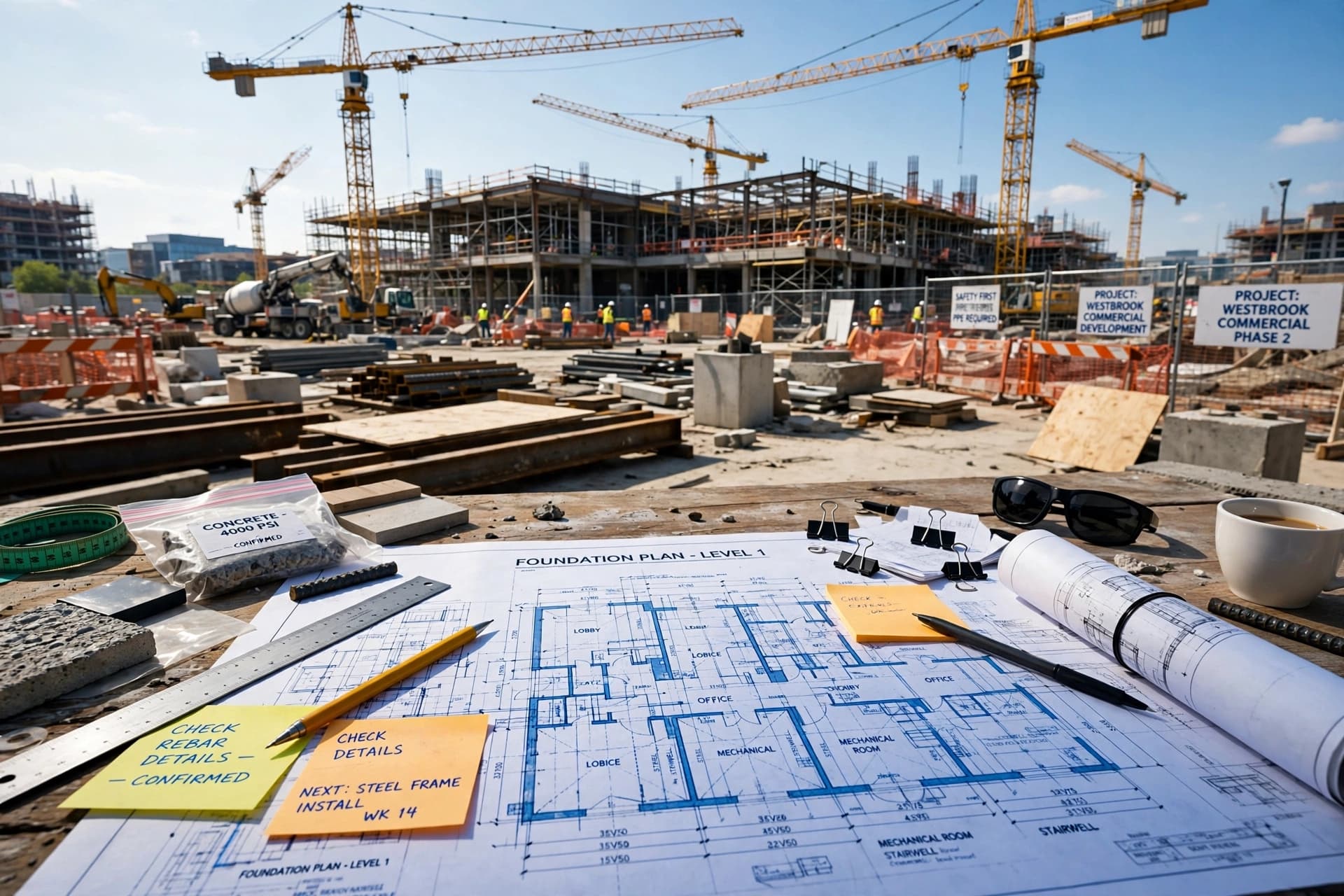
AI Image Disclaimer: Visuals associated with this article are AI-generated interpretations of economic collaboration and legislative progress, created for illustrative purposes only.
Sources: CBC News Investment Executive Reuters
Published by Banx Network. This article is part of the Banx decentralized media programme, powered by the BXE token on the XRP Ledger.