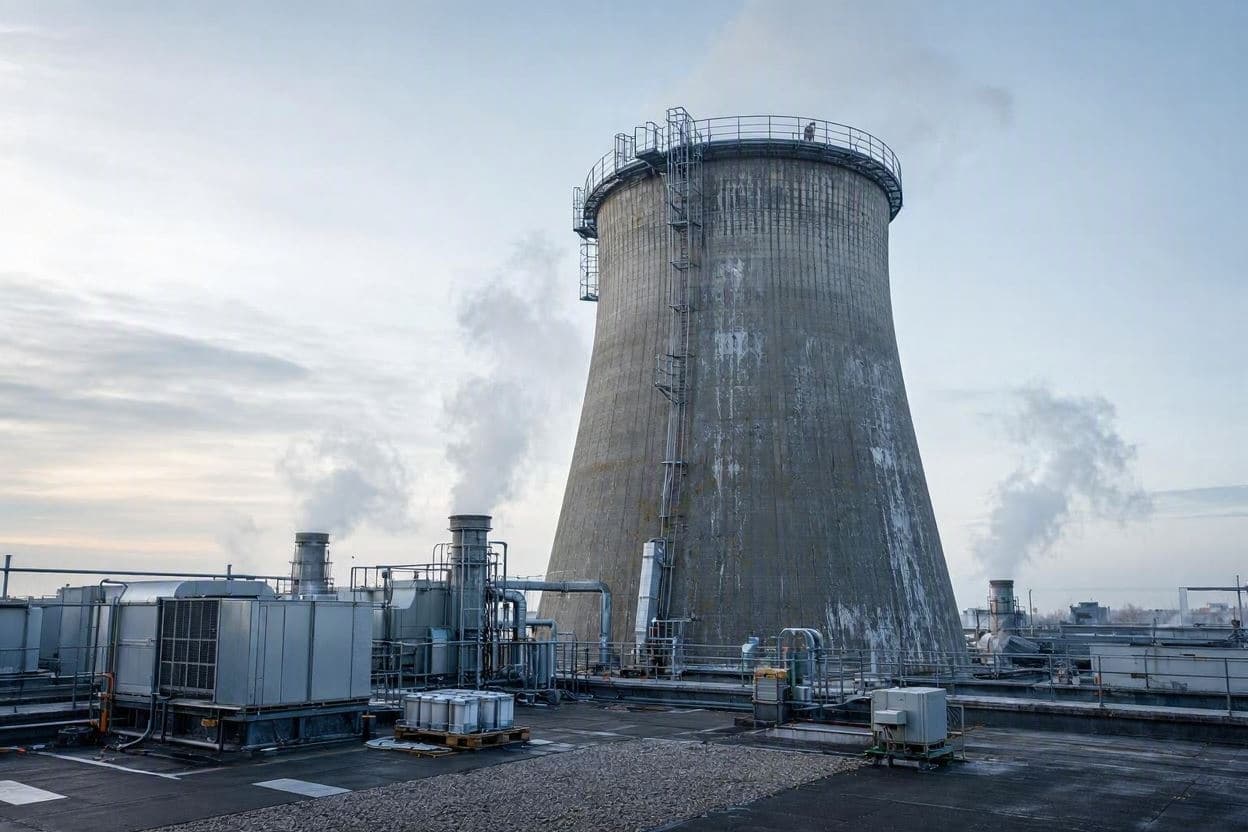
In the bustling borough of the Bronx, where the roar of the crowd often drowns out the hum of the city, a public health concern has emerged alongside the baseball season. Trace amounts of Legionella bacteria were detected in a cooling tower at Yankee Stadium, prompting immediate action and scrutiny. However, team officials and health authorities have stated that this finding is not linked to the recent cluster of Legionnaires’ disease cases in the surrounding South Bronx neighborhood.
Legionnaires’ disease is a severe form of pneumonia caused by inhaling mist containing the Legionella bacterium. Cooling towers, which are part of large air conditioning systems, can harbor the bacteria if not properly maintained. The detection at the stadium was made through preliminary PCR testing, a sensitive method that identifies genetic material from the bacteria. While positive results require follow-up culture tests for confirmation, they trigger mandatory cleaning and disinfection protocols.
The Yankees organization acted swiftly upon receiving the test results, shutting down the affected tower and initiating a thorough remediation process. In a statement, they emphasized their commitment to public safety and cooperation with the New York City Department of Health and Mental Hygiene. The clarification that the stadium’s system is not the source of the ongoing outbreak helps alleviate concerns among fans and residents who frequent the area.
Health officials are investigating multiple sites in the South Bronx, where several cases of Legionnaires’ disease have been reported. Ten cooling towers in the vicinity tested positive for Legionella, including the one at Yankee Stadium. Epidemiological studies are underway to trace the specific source of the infections, comparing patient exposure histories with environmental samples. This meticulous work is essential to pinpoint the origin and prevent further spread.
For the community, the news brings a mix of relief and caution. While the stadium itself may not be the culprit, the presence of bacteria in local infrastructure highlights the importance of regular maintenance and monitoring. Residents are advised to be aware of symptoms such as fever, cough, and shortness of breath, and to seek medical attention if they suspect exposure. Public awareness is a critical tool in managing outbreaks of waterborne illnesses.
The incident underscores the challenges of maintaining large-scale urban infrastructure. Cooling towers are vital for comfort in commercial buildings, but they require rigorous upkeep to ensure they do not become health hazards. Regulatory frameworks mandate regular testing and cleaning, yet lapses can occur. This event serves as a reminder for building owners to prioritize safety and compliance.
As the investigation continues, transparency remains key. Health departments are committed to sharing findings with the public to build trust and ensure informed decision-making. The collaboration between private entities like the Yankees and public health agencies demonstrates a coordinated approach to crisis management. It is a model for how communities can respond effectively to environmental health threats.
In the end, the detection of Legionella at Yankee Stadium is a procedural success rather than a catastrophic failure. It shows that monitoring systems are working and that corrective actions are taken promptly. By addressing the issue openly and efficiently, stakeholders protect public health while maintaining the integrity of beloved community landmarks.
AI Image Disclaimer: The images used in this report are AI-generated visuals created to illustrate the themes of public health infrastructure and disease prevention.
Sources: The New York Times, ABC7 NY, Gothamist, Associated Press
Published by Banx Network. This article is part of the Banx decentralized media programme, powered by the BXE token on the XRP Ledger.