As humanity prepares to return to the Moon, particularly the resource-rich South Pole, questions of planetary protection take on new urgency. A recent study suggests that microbes hitching a ride on spacecraft may not only survive the harsh lunar environment but could potentially thrive in certain sheltered niches. This finding challenges our assumptions about the sterilizing effects of space and highlights the need for rigorous cleanliness protocols in future lunar missions.
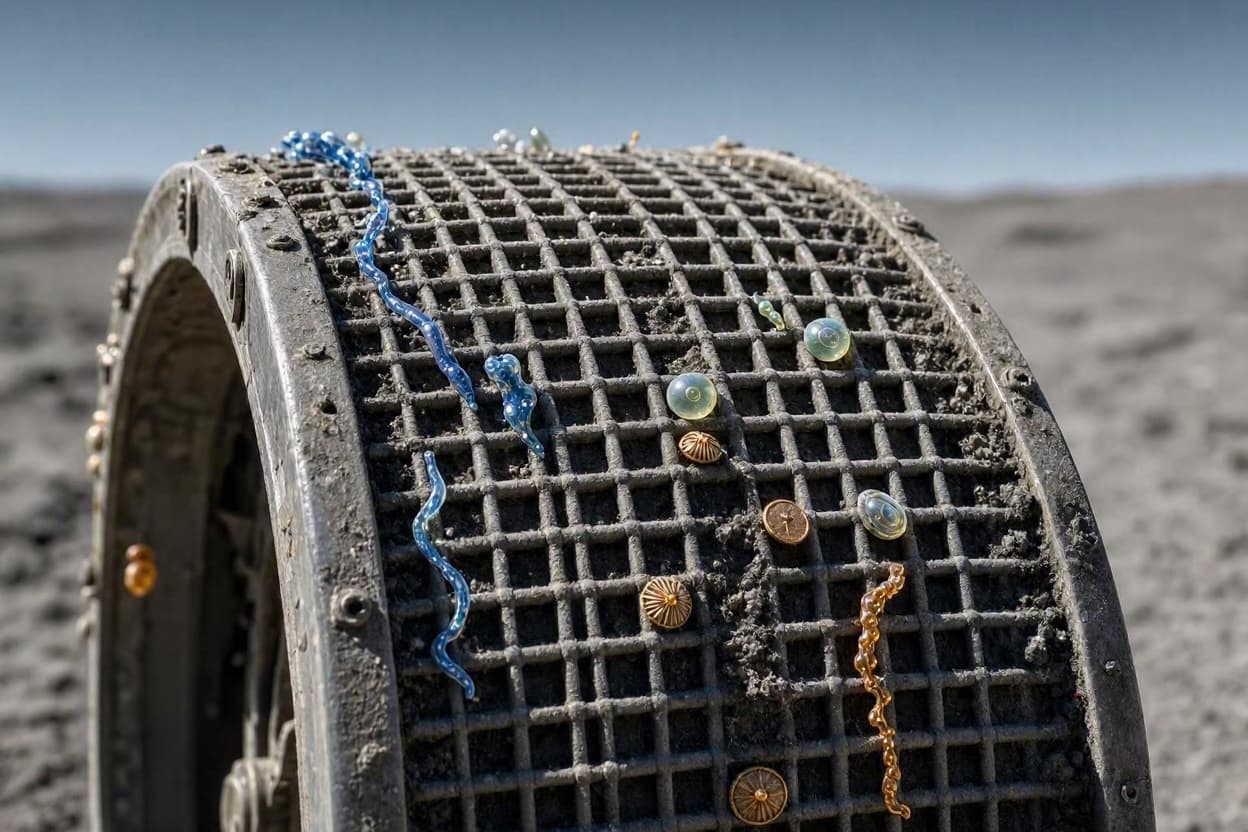
The research focused on the resilience of common Earth bacteria, such as Deinococcus radiodurans, known for its extreme resistance to radiation and desiccation. Scientists simulated lunar conditions, including vacuum, extreme temperatures, and high levels of ultraviolet radiation, to test the survival rates of these microorganisms. Surprisingly, many of the microbes remained viable, especially when protected by layers of dust or within the crevices of spacecraft materials.
The Lunar South Pole presents unique conditions, with permanently shadowed regions that are extremely cold and areas that receive nearly continuous sunlight. The study indicates that microbes shielded from direct UV radiation, perhaps buried under a thin layer of regolith or tucked inside equipment, could persist for extended periods. This resilience raises concerns about forward contamination, where Earth organisms could interfere with scientific searches for native lunar life or resources.
While the Moon is generally considered sterile, the possibility of microbial survival complicates the narrative. If Earth bacteria can establish themselves in lunar soil, they could alter the chemical composition of the regolith, potentially affecting experiments designed to analyze the Moon’s natural state. This underscores the importance of strict sterilization procedures for all hardware sent to the lunar surface.
The findings also have implications for the search for life elsewhere in the solar system. If microbes can survive on the Moon, they might also endure on Mars or icy moons like Europa. Understanding the limits of biological resilience helps astronomers refine their strategies for detecting extraterrestrial life, ensuring that any signs of life found are truly alien and not terrestrial contaminants.
NASA and other space agencies are already implementing stringent cleaning standards for lunar landers and rovers. However, this study suggests that current methods may need to be enhanced, particularly for missions targeting the South Pole. Techniques such as heat sterilization, chemical treatment, and careful design of spacecraft surfaces to minimize hiding spots for microbes are being reevaluated.
Public awareness of planetary protection is also growing. As commercial spaceflight expands, ensuring that private companies adhere to these standards will be crucial. Education and regulation must go hand in hand to preserve the scientific integrity of lunar exploration and protect the celestial environments we seek to understand.
The potential survival of Earth microbes on the Moon serves as a cautionary tale for future explorers. It emphasizes the responsibility we carry as visitors to other worlds, reminding us that even the smallest stowaways can have significant scientific consequences.
AI Image Disclaimer: Any images used in conjunction with this article are AI-generated conceptualizations meant to illustrate the themes of media and justice.
Sources: Astrobiology Journal, NASA Planetary Protection Office, Space.com, Nature Astronomy
Published by Banx Network. This article is part of the Banx decentralized media programme, powered by the BXE token on the XRP Ledger.