The Red Planet has long captivated the human imagination, a distant world of rust-colored dunes and ancient riverbeds that promises both discovery and danger. Yet, beneath its picturesque surface lies a subtle but pervasive threat: dust. Unlike the benign sand of Earth’s deserts, Martian regolith is laced with perchlorates, toxic chemicals that can disrupt thyroid function and damage lung tissue. As humanity edges closer to sending astronauts to Mars, the question is no longer if they will encounter this dust, but how they will survive it.
Perchlorates are salts that occur naturally on Mars, formed through atmospheric processes over billions of years. While harmless in small quantities, prolonged exposure can be hazardous to human health. For astronauts living in sealed habitats, the risk is amplified. Dust can cling to spacesuits, infiltrate airlocks, and accumulate in living quarters, creating a persistent source of contamination. The fine, electrostatic nature of the particles makes them difficult to remove, turning every return from the surface into a potential decontamination challenge.
NASA and other space agencies are actively researching mitigation strategies. One approach involves designing "dust-tolerant" spacesuits with smooth, non-stick surfaces and electrostatic repulsion systems that prevent particles from adhering. Airlocks may be equipped with advanced filtration and vacuum systems to strip suits clean before astronauts enter the main habitat. These engineering solutions are critical for maintaining a safe internal environment, acting as the first line of defense against the external hazard.
Inside habitats, air purification systems will need to be highly efficient, capable of capturing microscopic particles that escape initial decontamination. Researchers are also exploring chemical treatments that can neutralize perchlorates, converting them into less harmful substances. Water recycling systems, vital for long-duration missions, must also be robust enough to filter out any dissolved toxins, ensuring that the crew’s supply remains pure and safe for consumption.
Medical countermeasures are another key component of the strategy. Astronauts may undergo regular health monitoring to detect early signs of thyroid dysfunction or respiratory irritation. Prophylactic treatments or dietary supplements could help mitigate the effects of low-level exposure. Understanding the biological impact of Martian dust is essential for developing protocols that keep crews healthy during months or even years on the surface.
The psychological aspect of living with such a constant threat cannot be overlooked. Knowing that the very ground beneath their feet is toxic may add to the stress of isolation and confinement. Training programs will likely include simulations of dust management procedures, helping astronauts build confidence in their equipment and protocols. Familiarity breeds comfort, even in the most hostile environments.
The challenge of Martian dust is a formidable one, but not an insurmountable barrier. Through a combination of engineering innovation, medical vigilance, and rigorous protocol, future explorers can protect themselves from this invisible enemy. As we prepare to walk on Mars, we must first learn to live with its dust.
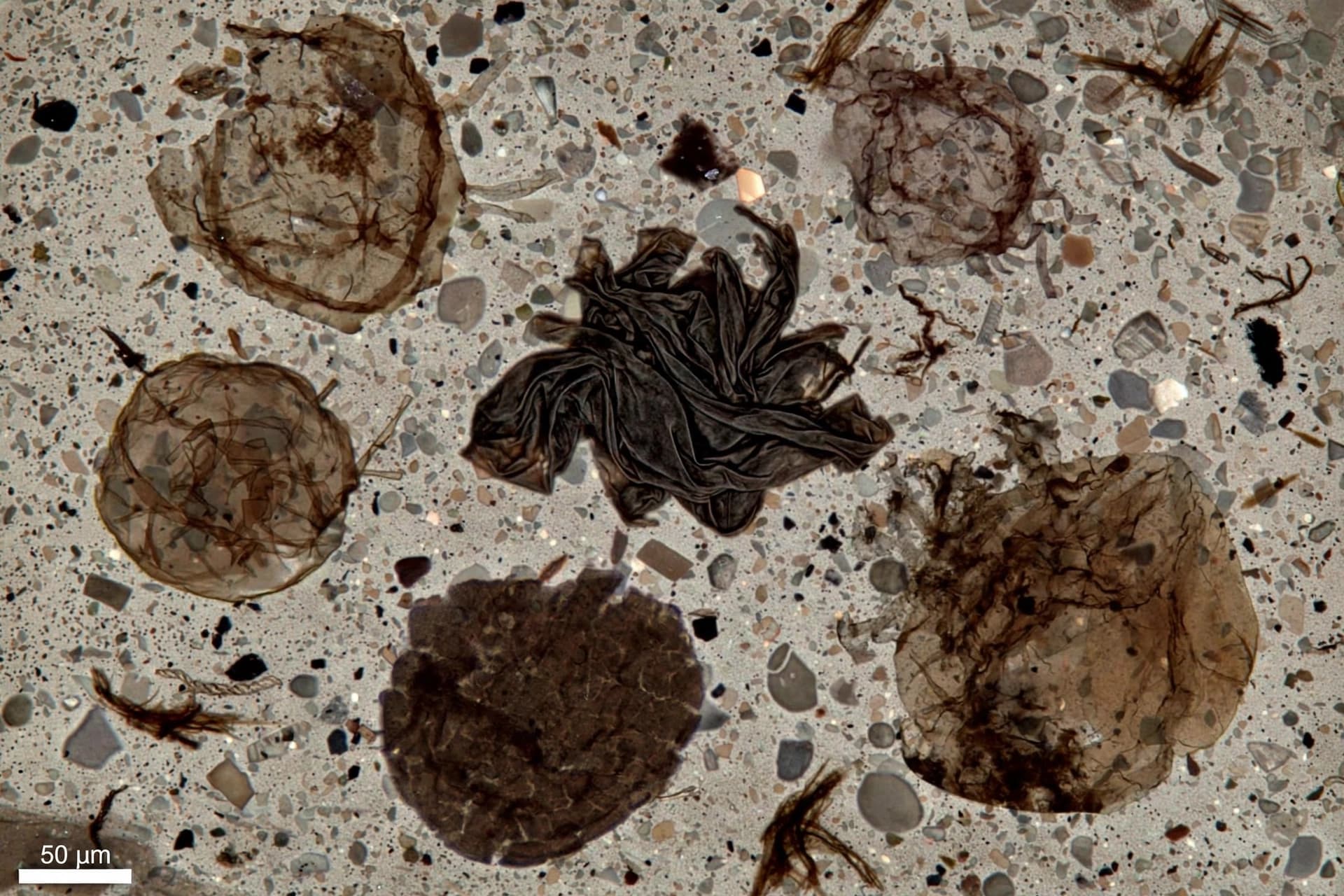
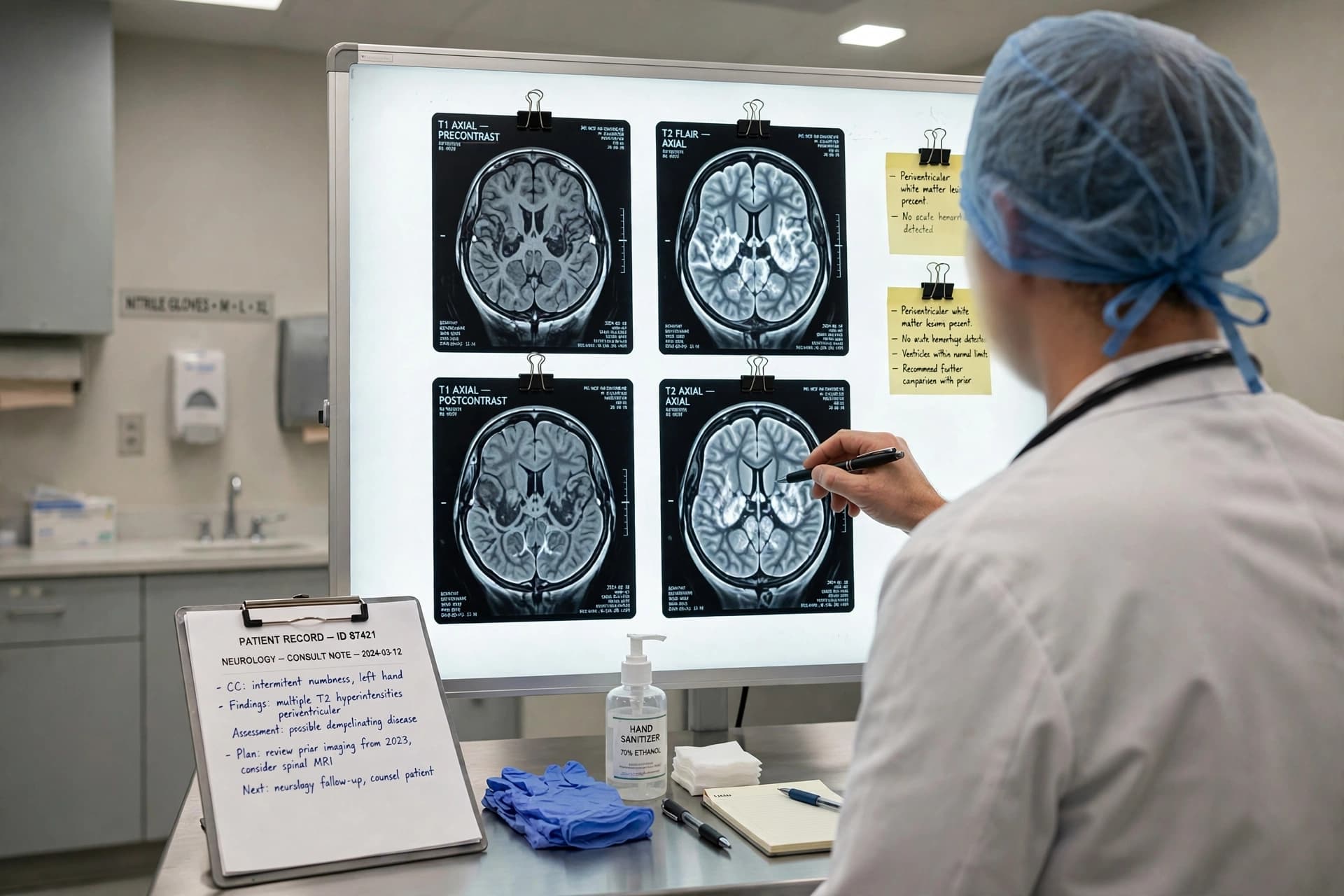
AI Image Disclaimer: The visual elements accompanying this report are AI-generated interpretations designed to reflect the scientific and exploratory context of the story.
Sources: NASA AGU (American Geophysical Union) National Academies of Sciences, Engineering, and Medicine
Published by Banx Network. This article is part of the Banx decentralized media programme, powered by the BXE token on the XRP Ledger.