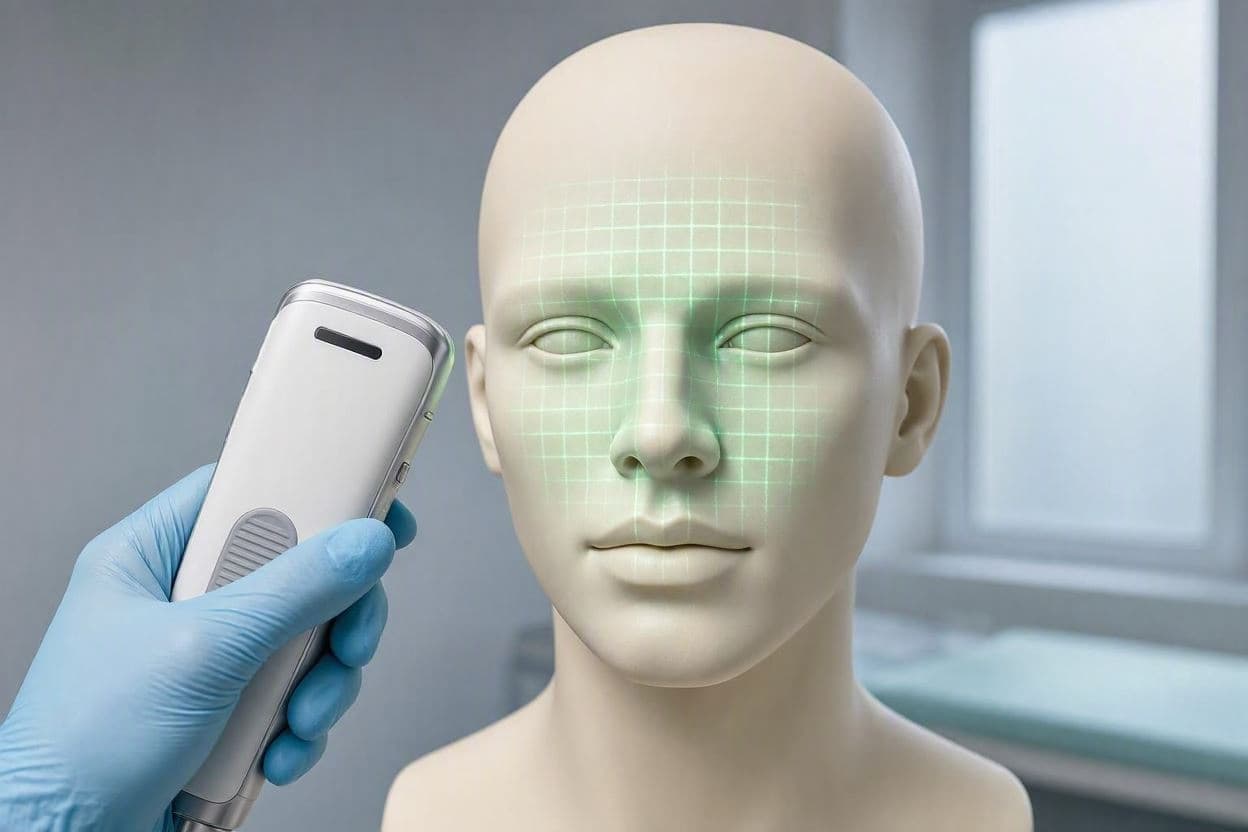
In the quiet precision of modern ophthalmology, technology serves as an extension of the human eye, revealing details invisible to the naked gaze. The Pentacam HR, a sophisticated imaging device, maps the curvature and density of the eye’s structures with remarkable clarity. Yet, even the most advanced tools are subject to the nuances of their operation. A recent exploratory analysis examines how image exposure levels influence densitometry measurements of the cornea and lens, inviting reflection on the delicate balance between technical parameters and clinical accuracy. It is a reminder that in medicine, data is not just numbers but a narrative that must be read with care.
Densitometry measures the opacity or transparency of ocular tissues, providing critical insights into conditions like cataracts or corneal scarring. The Pentacam HR uses Scheimpflug imaging to capture cross-sectional views of the anterior segment. However, the quality of these images can vary based on exposure settings, which control the amount of light captured by the sensor. Understanding how these variations affect measurement consistency is vital for reliable diagnosis and monitoring.
The study focuses on the relationship between background-based exposure and the resulting density values. Researchers found that fluctuations in exposure could lead to subtle but significant differences in the recorded data. For clinicians, this means that standardizing imaging protocols is essential to ensure that changes in densitometry reflect true physiological shifts rather than technical artifacts. Consistency becomes the cornerstone of trust in diagnostic outcomes.
For patients, the implications are profound. Accurate measurements guide decisions about surgery, such as cataract removal or corneal transplantation. If exposure variability introduces noise into the data, it could potentially lead to misinterpretation of disease progression or treatment efficacy. Therefore, refining the technical aspects of imaging directly impacts patient care and safety.
The exploratory nature of the analysis highlights the ongoing evolution of medical technology. As devices become more complex, so does the need for rigorous validation of their outputs. This study contributes to a growing body of literature aimed at optimizing imaging techniques, ensuring that technological advancements translate into tangible clinical benefits.
Ophthalmologists rely on these tools to detect early signs of disease, often before symptoms appear. The ability to measure lens density accurately, for instance, allows for earlier intervention in cataract development. By understanding the impact of exposure, practitioners can fine-tune their methods, enhancing the sensitivity and specificity of their diagnoses.
The research also underscores the importance of training and protocol adherence. Technicians operating the Pentacam HR must be aware of how exposure settings influence results. Standard operating procedures that account for these variables can minimize error, fostering a culture of precision and reliability in clinical practice.
As technology continues to advance, the dialogue between engineers and clinicians becomes increasingly important. Collaborative efforts to refine imaging algorithms and hardware ensure that devices meet the high standards required in healthcare. This synergy drives innovation while maintaining the integrity of medical data.
An exploratory analysis reveals that image exposure levels can affect corneal and lens densitometry measurements using the Pentacam HR. The findings emphasize the need for standardized imaging protocols to ensure diagnostic accuracy and improve patient care in ophthalmology.
AI Image Disclaimer: The visual representations accompanying this article are AI-generated interpretations designed to symbolize the precision of ophthalmic imaging and the complexity of eye anatomy, using abstract and medical imagery.
Sources: Journal of Cataract & Refractive Surgery Ophthalmology Times Clinical Imaging Journals
Published by Banx Network. This article is part of the Banx decentralized media programme, powered by the BXE token on the XRP Ledger.