
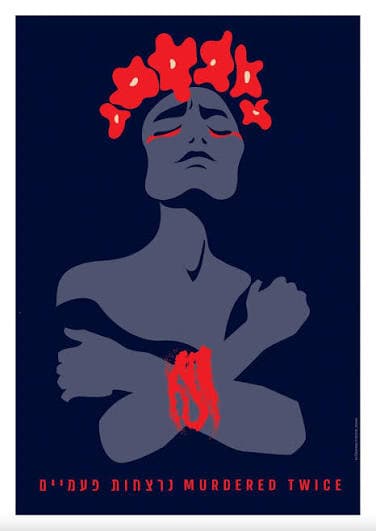
Key Highlights
- Report Title:"Silenced No More" details sexual violence patterns.
- New Term:"Kinocidal sexual violence" coined to describe abuses.
- Call to Action:UN urged to recognize findings and show compassion.
Dr. Cochav Elkayam-Levy, Chair of the Civil Commission, presented the findings of the commission’s report on Hamas’s sexual crimes committed during the October 7 massacre and while holding hostages captive to the United Nations Human Rights Council’s Annual Discussion on Women’s Rights in Geneva on Friday. The report, titled "Silenced No More," was prepared with the cooperation of international experts in international law and human rights.
Elkayam-Levy described the report as identifying 13 distinct patterns of abuse, including rape, gang rape, sexual torture, deliberate burning, and the intentional mutilation of victims’ faces and genitals. She emphasized the severity of these crimes, stating that the commission coined a new term—"kinocidal sexual violence"—to describe the deliberate use of sexual violence to torture families and maximize victims’ pain and suffering.
During her presentation, Elkayam-Levy addressed what she termed a global denial of these crimes. She noted that the commission “encountered silence, hesitation,” and “active and aggressive denial” in response to early reports of the atrocities. She warned that ignoring the report’s findings would not only harm the victims but also jeopardize future generations, arguing that the issue transcends the past and is crucial for preventing dangerous developments in contemporary terrorism.
Elkayam-Levy called on the UN to take decisive action by recognizing the report’s findings and applying compassion without conditions. She cautioned against a “double standard” toward Israeli women, highlighting the need for consistent standards of compassion and accountability in addressing such grave violations of human rights.
Echoing Elkayam-Levy’s concerns, UN Watch’s executive director Hillel Neuer stated that Israeli victims have not received the compassion or protection they deserve. Instead, he argued, they face hatred and institutional barriers that enable such discrimination. Neuer emphasized that the UN’s response to the report would be critical in determining whether it applies the same standards of compassion, credibility, and accountability to Israeli victims that it demands for others.
The report's findings and the call for recognition underscore the urgent need for the international community to address the issue of sexual violence in conflict and to ensure that all victims receive the support and justice they deserve. As the discussion continues, the implications of the report may resonate beyond the immediate context, influencing future policies and actions regarding human rights and gender-based violence in conflict zones.
Published by Banx Network. This article is part of the Banx decentralized media programme, powered by the BXE token on the XRP Ledger.



