
Questions surrounding citizenship, responsibility, and security continue to shape international responses to individuals who traveled to conflict zones during the rise of extremist organizations. A case involving an Australian woman associated with ISIS, often described in media as an “ISIS bride,” has drawn renewed attention after reports that she will remain stranded in Syria following government decisions.
Australian authorities have indicated that the individual will not be repatriated, reflecting a policy position that balances national security considerations with legal and diplomatic constraints. Such decisions are often made within complex frameworks involving intelligence assessments and foreign relations.
Cases like this have emerged in multiple countries following the territorial defeat of ISIS, as governments face difficult questions about whether, how, and under what conditions to repatriate citizens who traveled to join extremist groups.
Security agencies typically assess risks related to radicalization, legal accountability, and potential threats upon return. At the same time, human rights advocates often raise concerns about due process, statelessness, and the humanitarian conditions faced by individuals and their children in displacement camps.
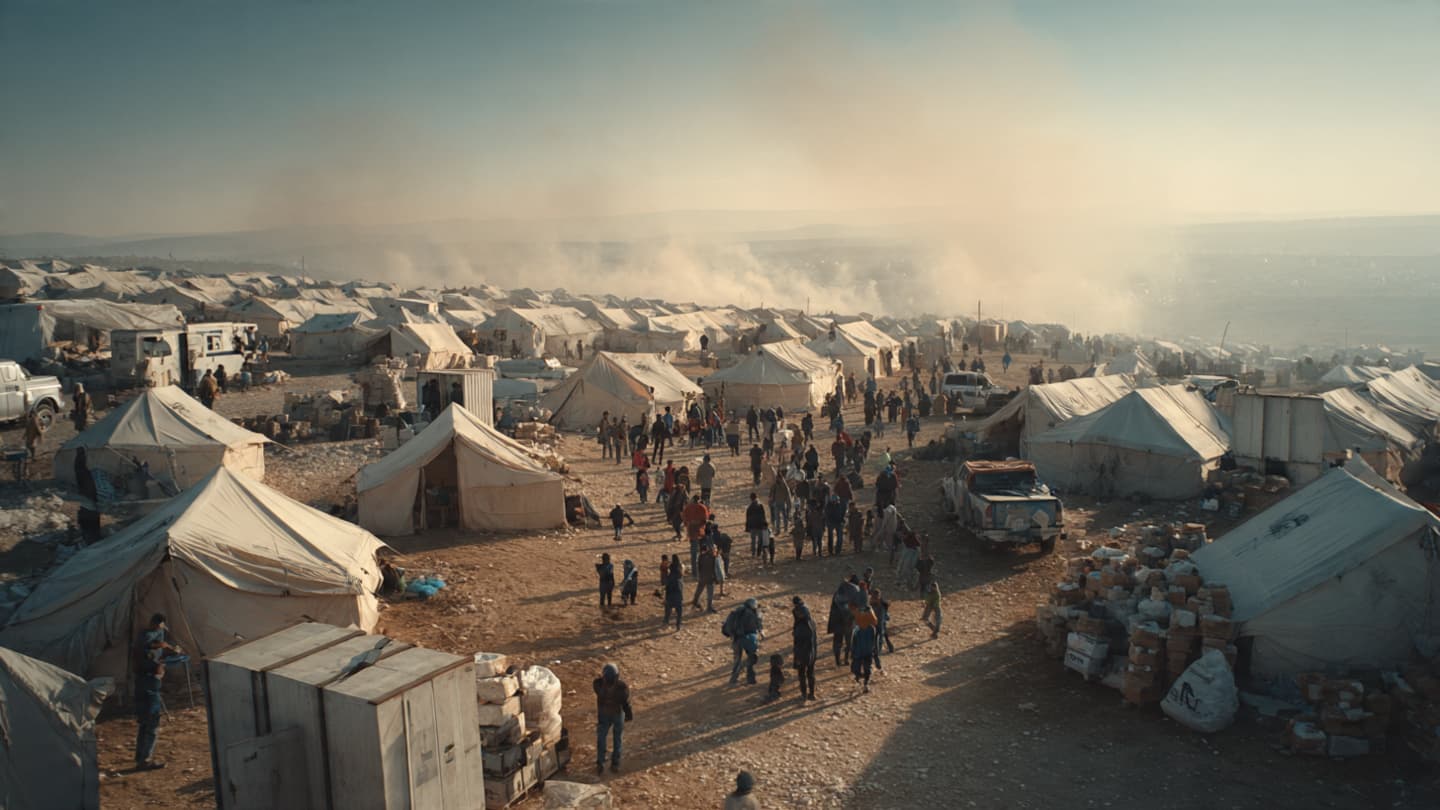
Syria’s ongoing instability adds another layer of complexity, as detention and refugee camps in the region continue to house individuals linked to former conflict zones. Conditions in these camps have been widely reported as difficult, with limited access to infrastructure and legal systems.
International law discussions in such cases often revolve around citizenship obligations and the extent to which states are responsible for individuals who have left to join foreign conflicts. There is no single global consensus, and approaches vary significantly between countries.
The Australian government’s reported stance reflects a broader global trend in which states weigh security concerns heavily when making repatriation decisions related to former ISIS affiliates. These decisions often attract public debate and legal scrutiny.
For now, the individual remains in Syria as governments continue to navigate the long-term consequences of the ISIS conflict and the complex legal questions it has left behind.
AI Image Disclaimer: Some visuals accompanying this article may include AI-generated depictions of conflict zones and policy-related illustrations.
Sources: Reuters, BBC, Associated Press, Al Jazeera, The Guardian
Note: This article was published on BanxChange.com and is powered by the BXE Token on the XRP Ledger. For the latest articles and news, please visit BanxChange.com