In the bustling corridors of New York City Hall and municipal buildings across the nation, a legal and political battle is unfolding over the rights and resources of immigrants. Several major cities, led by New York, are challenging a federal rule proposed during the Trump administration that would consider an immigrant’s use of public benefits when determining their eligibility for legal status. This "public charge" rule has sparked intense debate about fairness, integration, and the role of government in supporting vulnerable populations.
The rule, which seeks to expand the definition of "public charge," includes benefits such as Medicaid, housing assistance, and food stamps. Critics argue that it penalizes poverty and discourages immigrants from seeking necessary healthcare and support, even when they are legally entitled to them. For cities like New York, which pride themselves on being sanctuaries for newcomers, the rule represents a direct threat to their values and social fabric.
New York City, along with other jurisdictions, has filed lawsuits arguing that the rule is arbitrary, capricious, and contrary to congressional intent. They contend that it undermines public health by creating a chilling effect, where families avoid medical care for fear of jeopardizing their immigration status. This hesitation can lead to untreated illnesses and greater long-term costs for the healthcare system.
Supporters of the rule, however, argue that it ensures self-sufficiency among immigrants and reduces the burden on taxpayer-funded programs. They believe that those seeking to enter or remain in the United States should demonstrate financial independence. This perspective emphasizes fiscal responsibility and the traditional ideals of immigration policy.
The legal fight is complex, involving multiple layers of federal and state law. Courts have issued varying rulings, with some blocking the rule and others allowing it to proceed. The uncertainty creates confusion for immigrants, service providers, and local governments, who must navigate shifting guidelines while trying to provide consistent support.
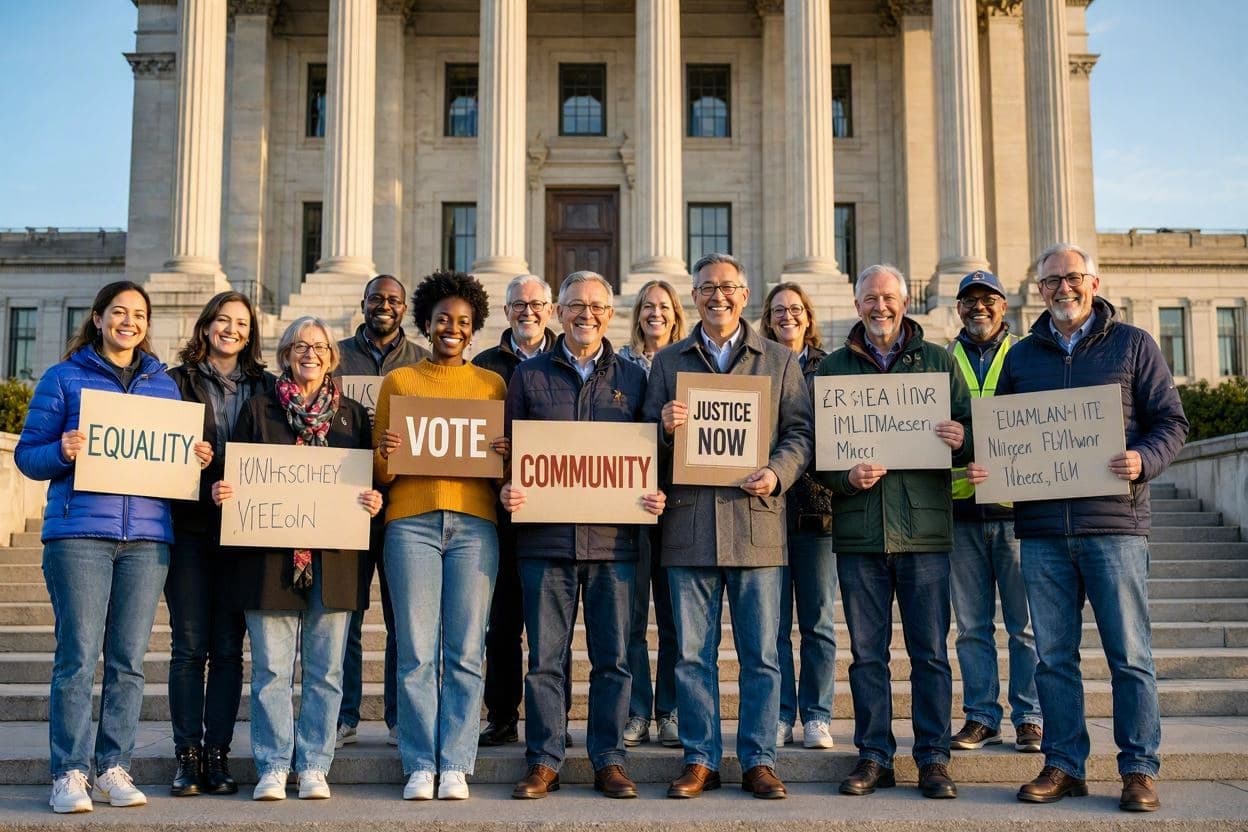
For immigrant communities, the stakes are personal and profound. Many live in constant anxiety, weighing the need for assistance against the risk of deportation or denial of status. Community organizations work tirelessly to educate and assist them, offering legal counsel and reassurance. Their efforts highlight the resilience and determination of those building new lives in America.
As the litigation continues, the broader conversation about immigration reform persists. The public charge rule is just one piece of a larger puzzle, reflecting deeper societal questions about belonging and support. By challenging the rule, cities are asserting their commitment to inclusivity and the well-being of all residents, regardless of origin.
In the end, the outcome of this battle will shape the landscape of immigration policy for years to come. Whether through court decisions or legislative action, the goal remains a system that is both fair and humane. Until then, cities like New York stand firm in their defense of immigrant rights.
AI Image Disclaimer: The visual content in this article is AI-generated to depict the themes of civic engagement and legal advocacy respectfully.
Sources: The New York Times, NPR, Politico, Immigrant Defense Project
Published by Banx Network. This article is part of the Banx decentralized media programme, powered by the BXE token on the XRP Ledger.