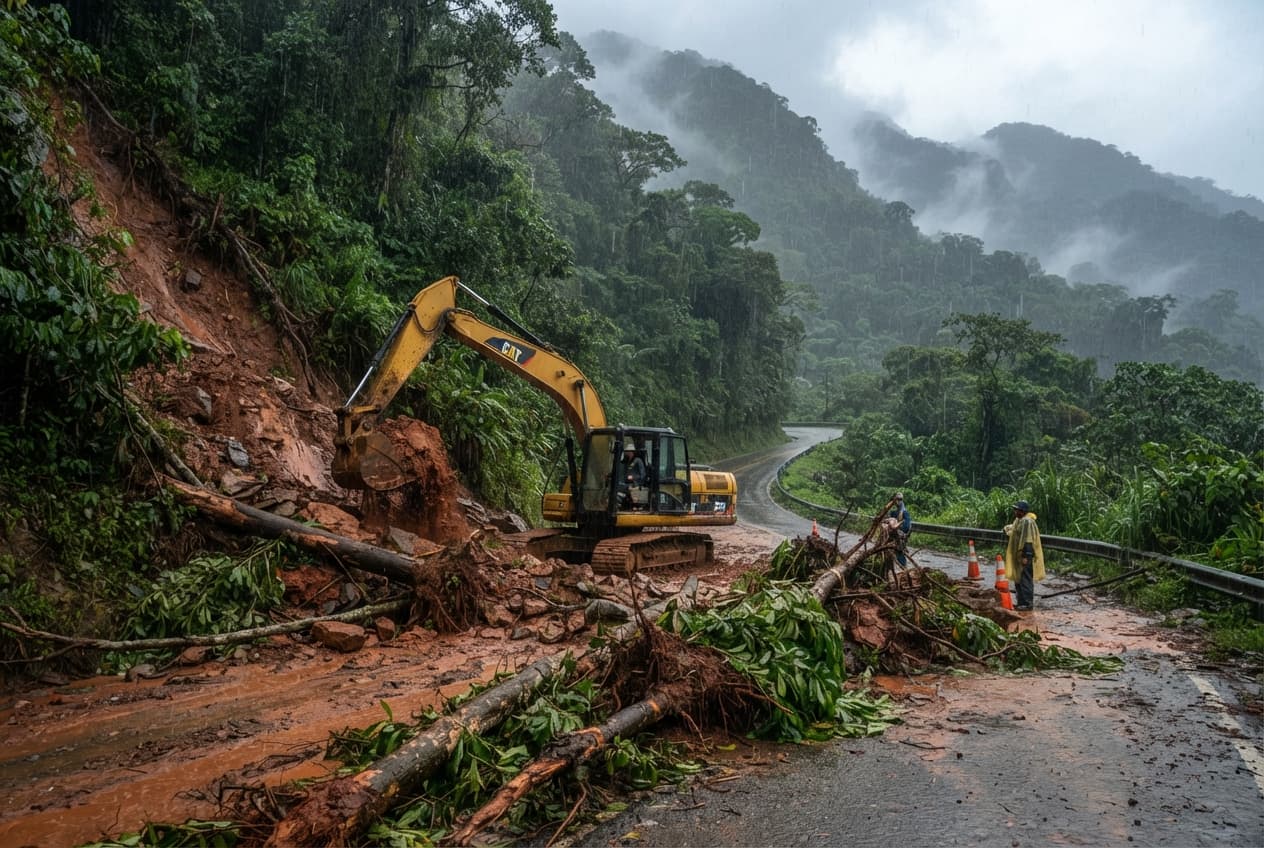
Cities have always been centers of opportunity, innovation, and economic activity. As populations grow and urbanization continues, communities face increasing pressure to expand infrastructure capable of supporting future needs. Around the world, investment in urban development is gaining momentum as planners prepare for long-term growth.
Recent reports indicate rising investment in transportation networks, utilities, digital connectivity, public services, and sustainable infrastructure projects. These initiatives aim to improve quality of life while strengthening economic resilience.
Transportation remains a major focus. Expanding transit systems, improving road networks, and modernizing transportation hubs help cities accommodate growing populations and support economic activity. Efficient mobility remains essential to urban success.
Digital infrastructure is becoming equally important. High-speed connectivity, smart city technologies, and data-driven management systems are helping municipalities improve service delivery and operational efficiency. Technology increasingly supports everyday urban functions.
Sustainability considerations are shaping investment priorities as well. Cities are exploring cleaner energy systems, efficient water management, and environmentally responsible construction practices designed to support long-term development goals.
Economic benefits often extend beyond infrastructure itself. Construction projects generate employment opportunities, stimulate local business activity, and attract additional investment. Improved infrastructure can also enhance competitiveness and productivity.
Public-private partnerships continue playing an important role in financing projects. Collaboration between governments and investors helps mobilize resources needed to address complex infrastructure requirements.
Urban planners emphasize the importance of resilience. Modern infrastructure must accommodate changing environmental conditions, technological advances, and evolving population needs. Flexibility has become a critical design principle.
Challenges include financing constraints, regulatory processes, and implementation timelines. Nevertheless, many cities view investment as essential for maintaining growth and improving quality of life.
For now, rising urban infrastructure spending reflects a broader recognition that future prosperity depends on thoughtful planning and sustained investment. As cities evolve, infrastructure remains one of the most important foundations supporting economic and social development.
AI Image Disclaimer Graphics are AI-generated and intended for representation, not reality.
Sources (Source Check) World Bank Reuters Bloomberg OECD UN-Habitat
Published by Banx Network. This article is part of the Banx decentralized media programme, powered by the BXE token on the XRP Ledger.