
Key Highlights
- Incident:An industrial boiler explosion at a steel plant in Cilegon, Indonesia, resulted in the deaths of three engineers.
- Time:The explosion occurred at approximately 10:15 AM during maintenance work.
- Investigation:Preliminary inspections indicate a faulty relief valve may have caused the blast.
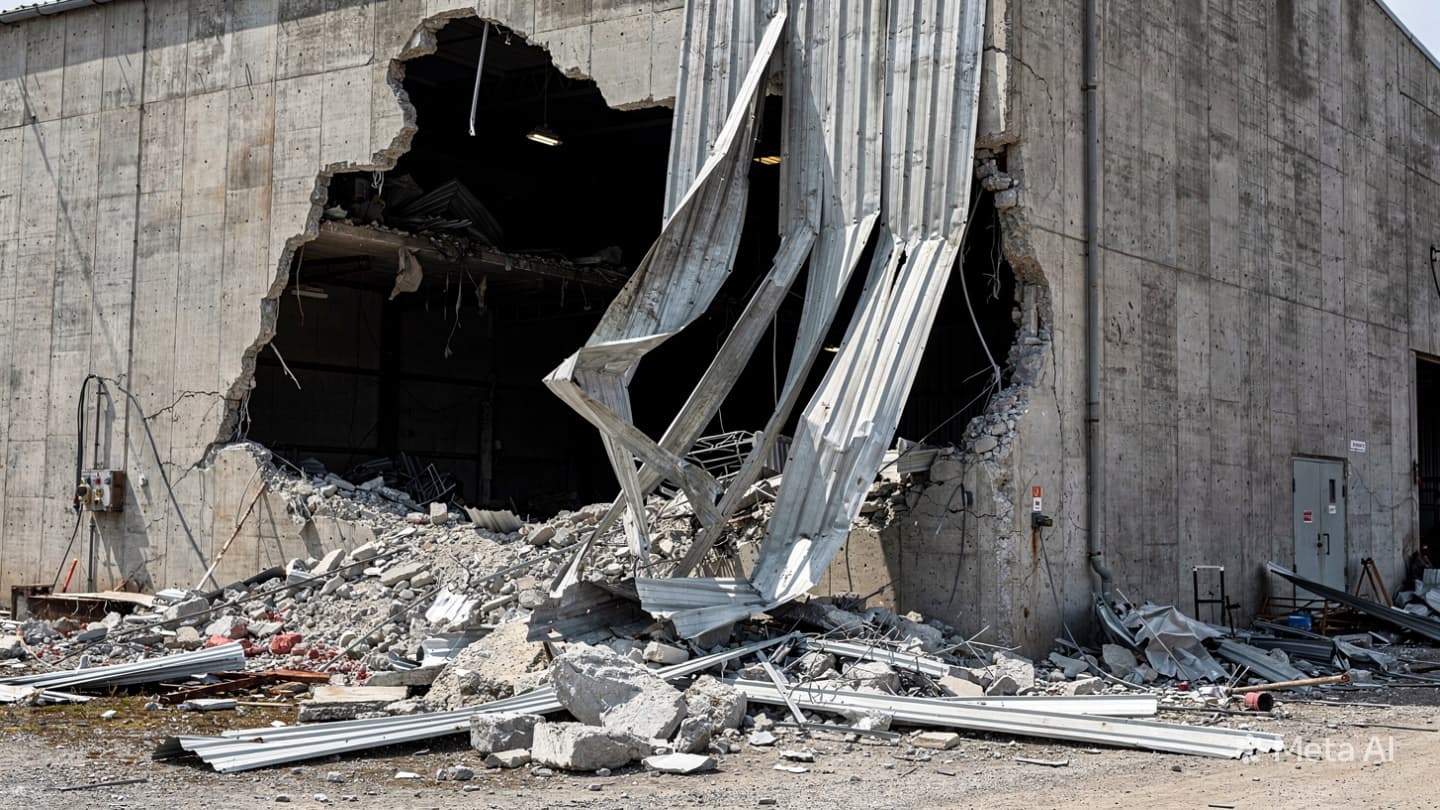
Cilegon, Indonesia—A tragic industrial accident unfolded Thursday morning at a prominent steel manufacturing facility when an industrial boiler exploded, claiming the lives of three engineers. The explosion occurred around 10:15 AM as the engineers were conducting maintenance inside the primary production pavilion. Witnesses described a deafening roar that reverberated through the area, with the blast's force shattering reinforced concrete walls and sending heavy metal shrapnel flying into adjacent assembly corridors.
Emergency rescue units from the regional disaster management agency were deployed immediately to the scene to manage secondary chemical fires ignited by the explosion. Thick smoke enveloped the factory perimeter, necessitating the evacuation of over two hundred day-shift workers. First responders utilized specialized thermal cameras to navigate the unstable debris in search of the missing engineering personnel.
Medical teams confirmed that all three technicians suffered fatal injuries from the blast and died before emergency treatment could be administered. The victims were identified as senior mechanical engineers responsible for overseeing the plant’s automated pressure regulation systems. Their remains were recovered near the base of the destroyed boiler unit after fire crews managed to suppress the main gas line leaks.
Preliminary inspections by state labor safety officials suggest that a faulty relief valve failed to vent extreme pressure during a mid-morning production cycle. This failure led to a sudden internal thermal buildup that exceeded the structural tolerance of the steel casing, resulting in a rapid expansion fracture. The incident has raised serious concerns about the plant's safety protocols, particularly regarding the maintenance of high-pressure machinery.
In response to the incident, plant management issued a brief statement confirming a complete halt to all manufacturing operations at the Cilegon site. They stated they are fully cooperating with police investigators to determine why the automated backup safety systems failed to trigger an emergency shutdown. Notably, the facility had recently undergone a routine technical audit earlier this quarter, raising questions about the effectiveness of the audit process.
As news of the explosion spread, dozens of anxious relatives gathered outside the main security gates, demanding updates from company representatives. Labor union representatives present at the scene criticized the factory’s historical safety protocols, alleging that maintenance schedules for high-pressure machinery had been repeatedly delayed in favor of meeting production quotas. This criticism highlights ongoing tensions between labor rights and industrial safety standards in the region.
Forensic investigators from the regional police headquarters, accompanied by structural engineers, arrived to assess the risk of a secondary collapse of the pavilion framework. The blast had warped massive steel support beams and torn away a significant section of the industrial corrugated roofing. Technicians are currently draining adjacent chemical tanks to prevent further hazardous leaks into the local water table, underscoring the potential environmental impact of the explosion.
In light of the incident, the local manpower office announced an immediate review of operational permits for all heavy industrial boilers operating within the Cilegon manufacturing hub. Government inspectors plan to conduct unannounced safety sweeps across neighboring smelting facilities starting tomorrow morning. The production pavilion remains sealed off as a crime scene while investigators work to extract internal data logs from the charred control panel, aiming to uncover the precise sequence of events leading to this tragic accident.
Published by Banx Network. This article is part of the Banx decentralized media programme, powered by the BXE token on the XRP Ledger.



