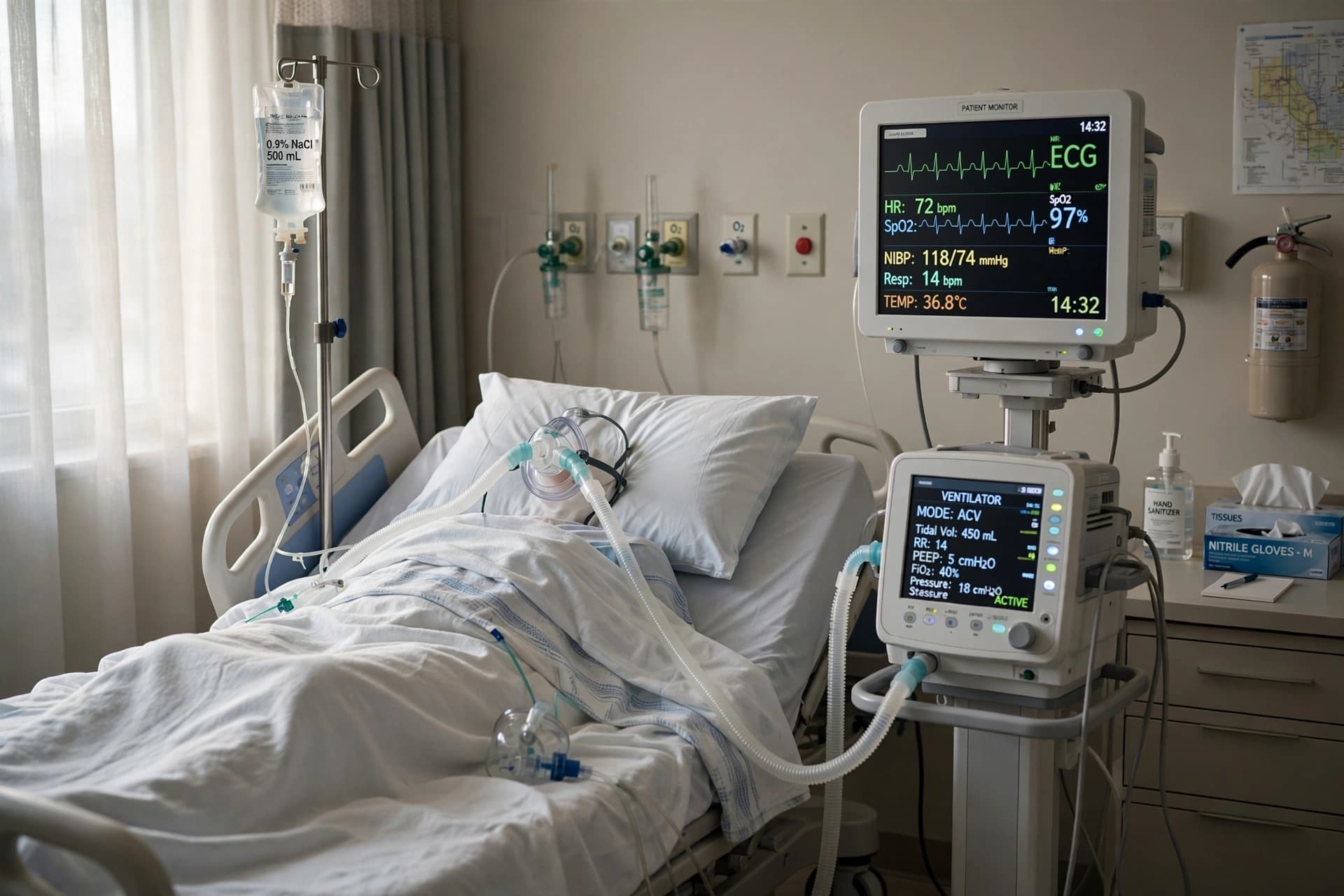
There is a particular cruelty in surviving an execution—a cruelty that does not end when the procedure stops, that continues in the hospital bed, in the ventilator, in the consciousness that returns to a body marked by the state's attempt to kill it. For Christa Pike, that cruelty has become a reality. After surviving two doses of pentobarbital on September 30, Pike remains hospitalized in critical condition. Her lawyer, Kelley Henry, has said Pike is "angry and confused" about what happened—about why the execution failed, why she is still alive, and what happens next.
Pike, 50, was sentenced to death for the 1995 torture and murder of Colleen Slemmer, a crime committed when Pike was eighteen. She was the youngest woman ever sentenced to death in the United States. On September 30, Tennessee attempted to execute her by lethal injection. The execution team struggled for an hour to establish IV lines. Two doses of pentobarbital were administered. Pike survived, breathing in a rhythmic, snoring pattern for more than an hour before she was transported to a hospital. Her arms were swollen, burned, and blistered from the caustic drug.
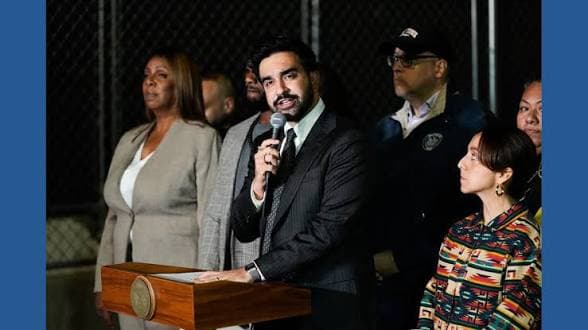
Henry said Pike has been unable to speak with her attorneys about what happened in the execution chamber because she is still intubated. "She is angry and confused," Henry told reporters. "She doesn't understand why this happened to her, why the state could not get it right." The comments came as Pike's legal team filed an emergency motion demanding that the Tennessee Department of Correction preserve all evidence from the execution attempt. The motion argues that the state's actions were "incompetent and reckless" and that the evidence is needed to determine what went wrong.
Governor Bill Lee has ordered a third-party investigation and paused executions in Tennessee through the end of the year. He called the failed execution "disturbing" and a "tragedy." But Pike's attorneys argue that an investigation does not go far enough. They have called on Lee to commute her sentence, saying she has "endured punishment greater than any other person in the history of the American death penalty."
The case has renewed debate about the death penalty in Tennessee and across the country. The state's protocol allows for a second dose if the first does not achieve its intended effect, but is silent on what to do if the second also fails. The execution team has been placed on administrative leave. The investigation will examine the training, the drug supply, and the decisions made in the hours before the execution was attempted. For Pike, the outcome remains uncertain. She is alive, but her future—whether she will be executed again, whether her sentence will be commuted, whether she will recover—is unknown. Her lawyers say she is angry and confused. The state that tried to kill her is now investigating how it failed. And Pike, who was expected to die, is left to recover in a hospital bed, her arms scarred by the drugs that were meant to end her life.
AI Image Disclaimer: All images in this article are AI-generated and are intended for illustrative purposes only.
Sources: The Guardian, Associated Press, Nashville Banner, WPLN
Published by Banx Network. This article is part of the Banx decentralized media programme, powered by the BXE token on the XRP Ledger.