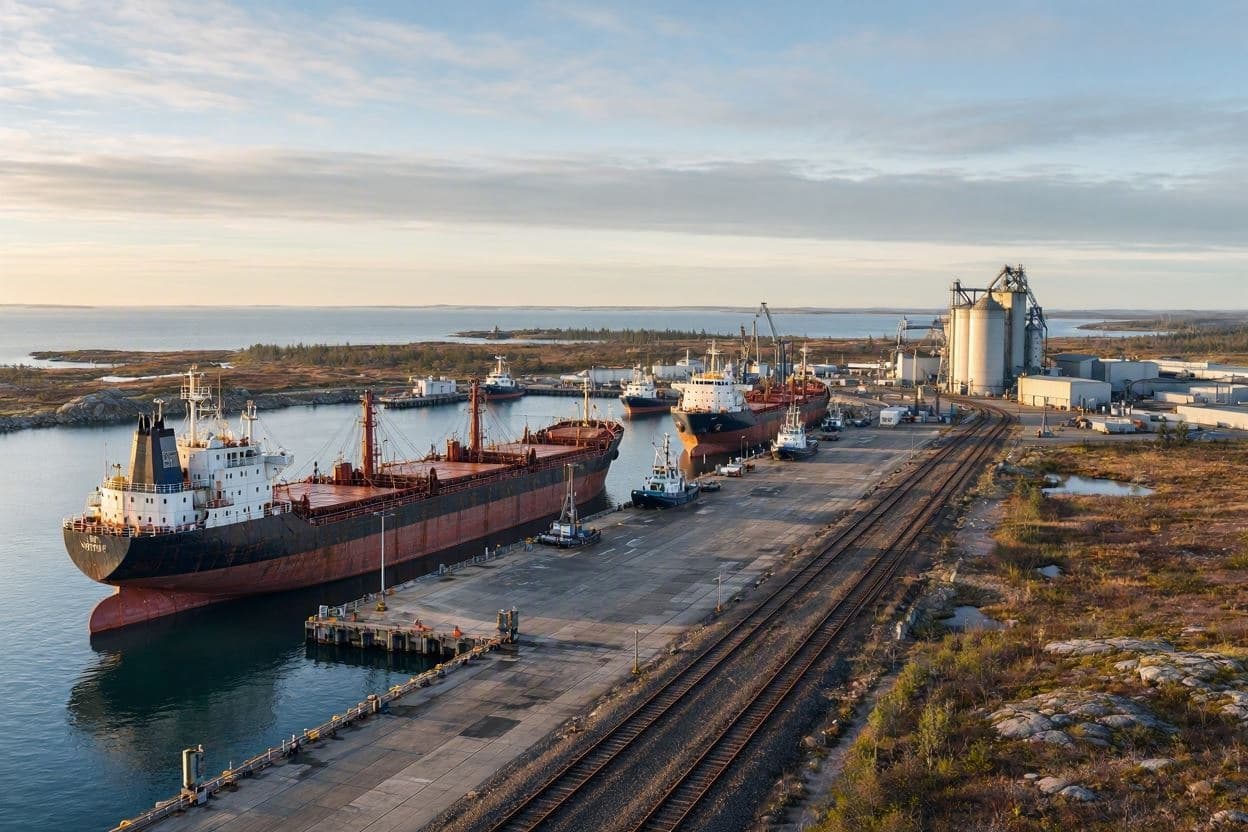
In the vast, windswept expanse of Northern Manitoba, where the tundra meets the sea, lies a gateway to the world that has long waited for its moment to shine. The Port of Churchill, a natural deep-water harbor on Hudson Bay, represents not just a logistical node but a symbol of potential for Canada’s northern economy. Recent analysis suggests that revitalizing this port and its connecting railway would require only a fraction of the investment needed for the liquefied natural gas (LNG) project recently championed by the provincial premier. It is a comparison that invites reflection on how we choose to invest in our future: through massive industrial extraction or through strategic infrastructure renewal.
The proposal to build an LNG facility in the region has sparked debate about economic viability, environmental impact, and fiscal responsibility. While the promise of energy exports is enticing, the capital requirements are staggering, often running into billions of dollars. In contrast, the upgrades needed to make the Port of Churchill and the Hudson Bay Railway fully operational and efficient are modest by comparison. This disparity highlights an opportunity to leverage existing assets rather than building entirely new ones from scratch, a approach that may offer quicker returns and lower risk.
For the communities along the rail line, particularly in Indigenous nations, the port represents a lifeline for trade and connectivity. Improving this infrastructure could lower the cost of goods, boost local employment, and open new markets for northern resources such as minerals and agriculture. It is a vision of development that is grounded in geography and history, respecting the land while unlocking its economic potential. The railway, once a vital artery for grain and supplies, could once again become a engine of prosperity.
Critics of the LNG project point to the volatility of global energy markets and the long timelines associated with such mega-projects. Infrastructure upgrades, on the other hand, provide immediate jobs and lasting benefits that do not depend on fluctuating commodity prices. They serve the public good by enhancing transportation networks that benefit a wide range of industries and citizens. This perspective shifts the focus from singular resource extraction to broader economic resilience.
The political discourse surrounding these options reveals differing philosophies on development. One path favors bold, transformative bets on energy dominance; the other prefers steady, incremental improvements to foundational systems. Both have merit, but the cost differential is impossible to ignore. When one option offers similar or greater economic stimulation at a significantly lower price tag, it demands serious consideration from policymakers and taxpayers alike.
Environmental considerations also play a crucial role in this equation. Upgrading existing rail and port facilities generally has a smaller ecological footprint than constructing new industrial plants. In an era where sustainability is paramount, choosing the path of least environmental disruption while maximizing economic benefit is a prudent strategy. It aligns with global trends toward green logistics and efficient supply chains.
As the debate continues, the voices of northern residents remain central. They seek opportunities that respect their way of life and provide tangible benefits. The port and railway represent a connection to the south and the world, offering a sense of inclusion and participation in the national economy. Investing in this infrastructure is an investment in people, fostering dignity and self-sufficiency.
In the end, the choice between an LNG megaproject and port improvements is not just about money; it is about vision. It asks us to consider what kind of legacy we wish to leave. By choosing to revitalize the Port of Churchill, Manitoba could demonstrate that smart, sustainable investment often outweighs grandiose ambition. Let the winds of Hudson Bay carry not just ships, but hope for a prosperous and connected north.
Note: The visual elements accompanying this article are AI-generated interpretations designed to reflect the themes of northern infrastructure and economic potential.
Sources: CBC News, Winnipeg Free Press, Global News Manitoba, The Narwhal
Published by Banx Network. This article is part of the Banx decentralized media programme, powered by the BXE token on the XRP Ledger.