Waterways have long served as the arteries of global trade, carrying the lifeblood of economies across continents. The Strait of Hormuz is perhaps the most famous example, where geopolitical tension can instantly ripple through oil markets worldwide. Now, a similar dynamic is emerging in the Black Sea, as Ukrainian forces effectively shut down key maritime routes used by Russia. This development is not just a military tactic; it is a strategic chokehold that reshapes regional power dynamics. It invites reflection on the vulnerability of supply chains, the economic cost of conflict, and the intricate dance of naval warfare in confined waters.
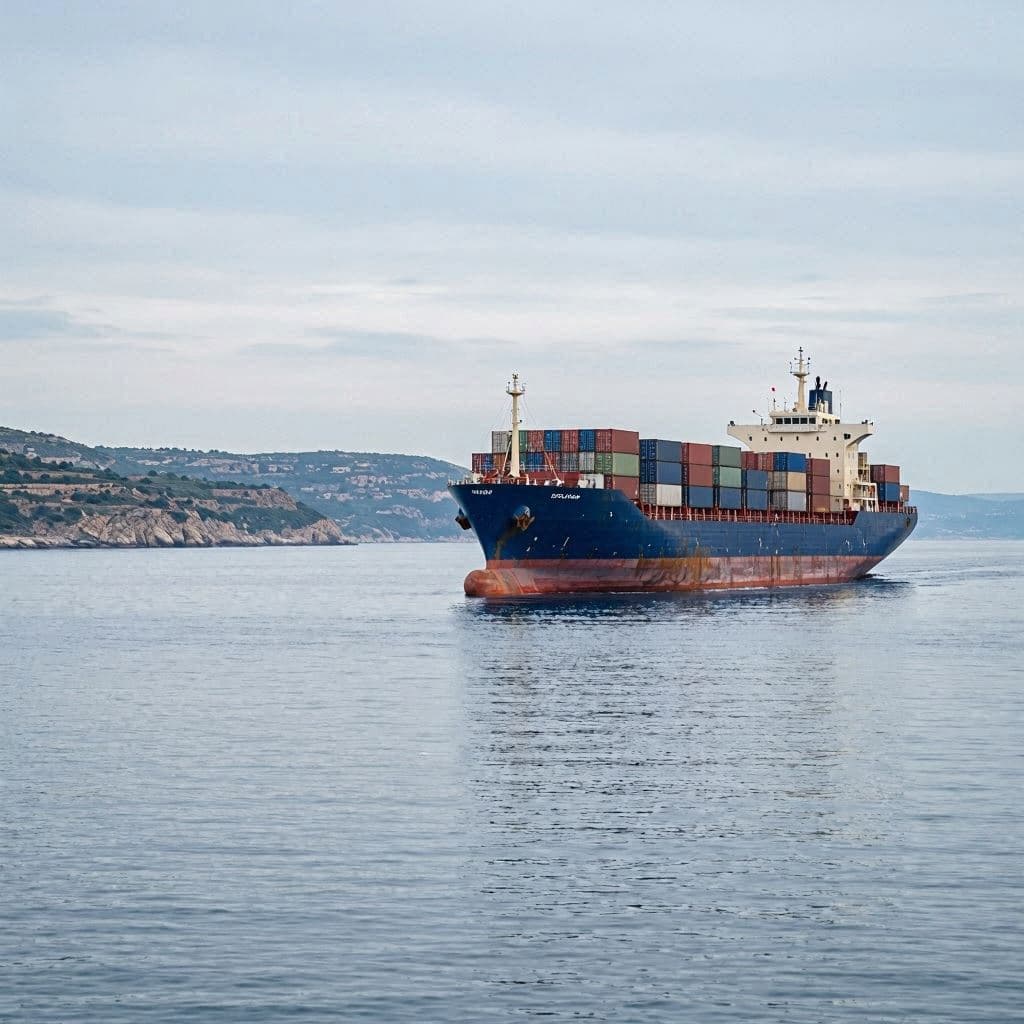
Body: Ukraine’s success in denying Russia free use of the Black Sea has been achieved through a combination of naval drones, missile strikes, and diplomatic pressure. By targeting Russian warships and logistical vessels, Kyiv has forced Moscow to retreat from key ports and alter its shipping routes. This effective blockade disrupts the flow of goods, including grain and energy resources, impacting both the Russian economy and global markets. It is a testament to asymmetric warfare, where smaller forces can exert disproportionate influence.
The comparison to the Strait of Hormuz is apt in terms of strategic impact. Just as Iran’s potential closure of Hormuz threatens global oil supplies, Ukraine’s control of Black Sea routes threatens Russia’s export capabilities. The psychological effect is also significant, demonstrating that Russia’s naval dominance is not absolute. This shift in power balance emboldens Ukraine and its allies, while forcing Russia to reconsider its maritime strategy.
For global trade, the instability in the Black Sea raises concerns about food security. Ukraine and Russia are major exporters of wheat and corn. Disruptions to these shipments can lead to price spikes and shortages in vulnerable regions. International efforts to secure safe passage for grain ships, such as the now-defunct Black Sea Grain Initiative, highlight the humanitarian stakes. Stability is essential for global well-being.
Russia’s response has been to increase air defenses and attempt to bypass Ukrainian threats through alternative routes. However, these measures are costly and less efficient. The economic strain of maintaining a contested navy adds to the broader burden of the war. It is a drain on resources that could otherwise be used for domestic development or other military fronts.
International observers watch closely, recognizing the broader implications for naval doctrine. The effectiveness of unmanned systems in closing a sea lane challenges traditional notions of naval power. Other nations are studying these tactics to enhance their own coastal defense strategies. The Black Sea has become a laboratory for modern maritime conflict.
Diplomatic efforts continue to seek a resolution that ensures safe passage for civilian vessels. While military actions dominate the headlines, the ultimate goal is to restore stability and normalcy to the region. Negotiations and international pressure play a crucial role in mitigating the humanitarian impact. Peace remains the desired outcome for all parties.
As the situation evolves, the resilience of global supply chains will be tested. Diversification of sources and routes is becoming a priority for many countries. The crisis underscores the importance of robust and flexible trade networks. It is a lesson in adaptability and preparedness.
Closing: In the end, the shutdown of key Black Sea waterways is a significant geopolitical event. It highlights the interconnectedness of military action and economic stability. As we navigate these turbulent waters, the hope is that diplomacy and cooperation will prevail, restoring peace and secure trade routes for the benefit of all.
AI Image Disclaimer: Visuals accompanying this text are AI-generated conceptualizations intended to depict the themes of geopolitical strategy and maritime conflict.
Sources: Reuters The Kyiv Independent BBC News
Published by Banx Network. This article is part of the Banx decentralized media programme, powered by the BXE token on the XRP Ledger.