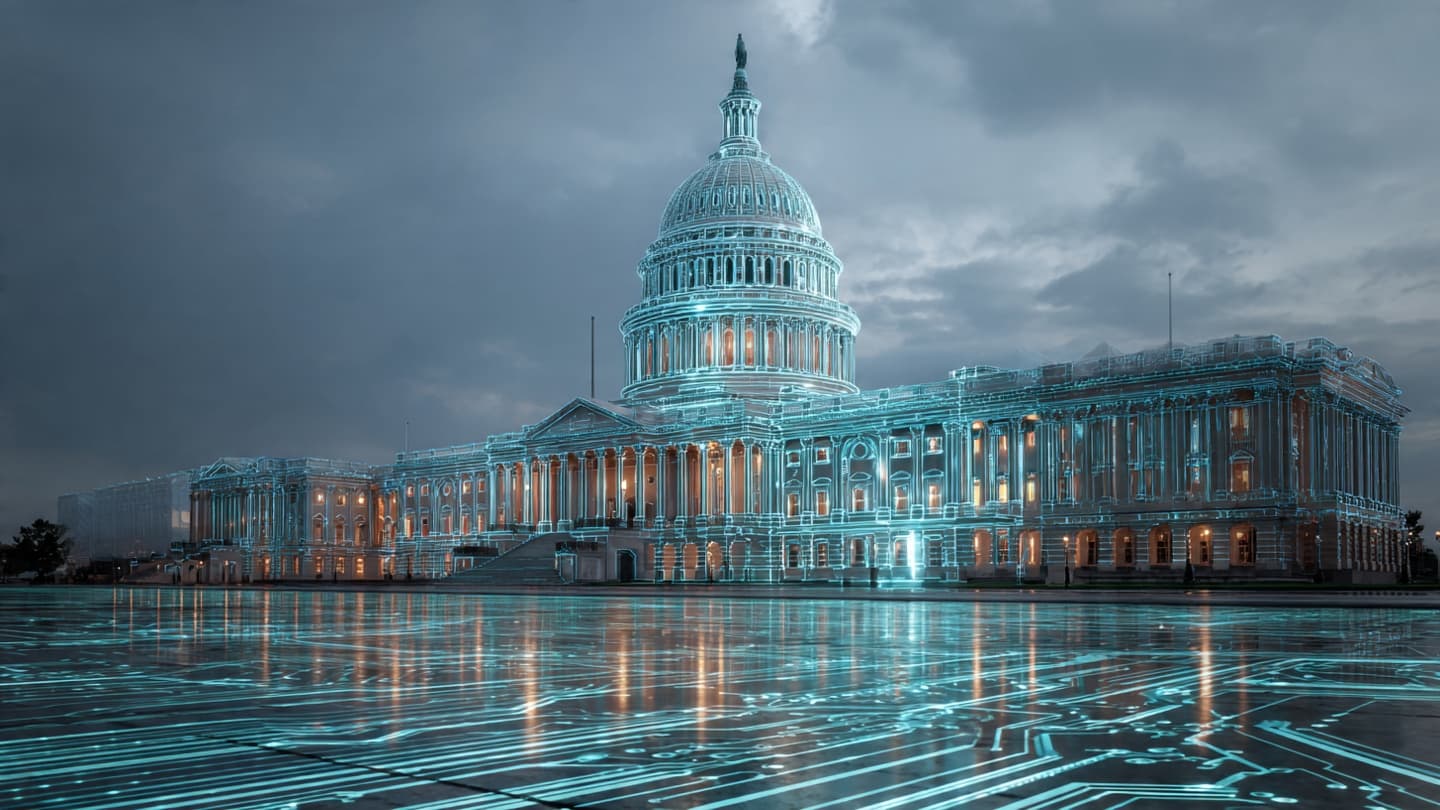
In Washington, political life often feels like a slow-moving current beneath the surface of headlines. Occasionally, though, a legislative initiative appears that could reshape the landscape entirely. Such is the case with the latest bipartisan bill on semiconductor production.
The legislation aims to expand domestic chip manufacturing, a critical component of national security, economic competitiveness, and technological leadership. Semiconductors power everything from smartphones to advanced defense systems, making supply stability a matter of strategic concern.
Proponents argue that domestic production strengthens resilience against international supply chain disruptions. They point to recent shortages that affected industries across the United States, highlighting vulnerabilities in global dependence.
Bipartisan support has emerged, with lawmakers emphasizing both economic and national security rationales. Democrats often highlight industrial modernization and workforce development, while Republicans focus on strategic independence and defense readiness.
Critics, however, caution that funding and oversight are essential. Large-scale investment in semiconductor manufacturing requires not only capital but careful planning, infrastructure development, and long-term workforce training.
Economic analysts suggest the bill could transform regional economies. Manufacturing plants require extensive facilities, skilled labor, and partnerships with research institutions. The ripple effects may extend beyond the tech sector into education and local job markets.
Internationally, the legislation sends a message about American commitment to technological sovereignty. Competitor nations, including China and South Korea, maintain strong chip production capabilities, and the US seeks to balance global trade relations with strategic self-reliance.
For voters, the discussion is more than technical—it touches on broader issues of national preparedness, economic resilience, and the ability to maintain leadership in an increasingly competitive technological world.
As debate continues in Congress, the outcome will influence not only industry but the trajectory of American innovation and strategic positioning for years to come.
AI Image Disclaimer
Visuals are created with AI tools and are not real photographs.
Sources
Reuters The New York Times Politico CNN Bloomberg
Published by Banx Network. This article is part of the Banx decentralized media programme, powered by the BXE token on the XRP Ledger.