
Key Highlights
- Event Cancellation:RightsCon 2026 in Lusaka, Zambia, was canceled due to external pressures.
- Diplomatic Influence:Chinese diplomats pressured Zambia over Taiwanese participation.
- Impact on Human Rights:The cancellation raises concerns about freedom of assembly and expression.
On May 1, 2026, Access Now, the organization behind RightsCon, announced the cancellation of the conference that was set to take place in Lusaka, Zambia. This year’s edition was poised to address critical discussions surrounding digital rights, featuring a lineup of prominent speakers, including experts from Amnesty International and leaders in technology and human rights sectors.
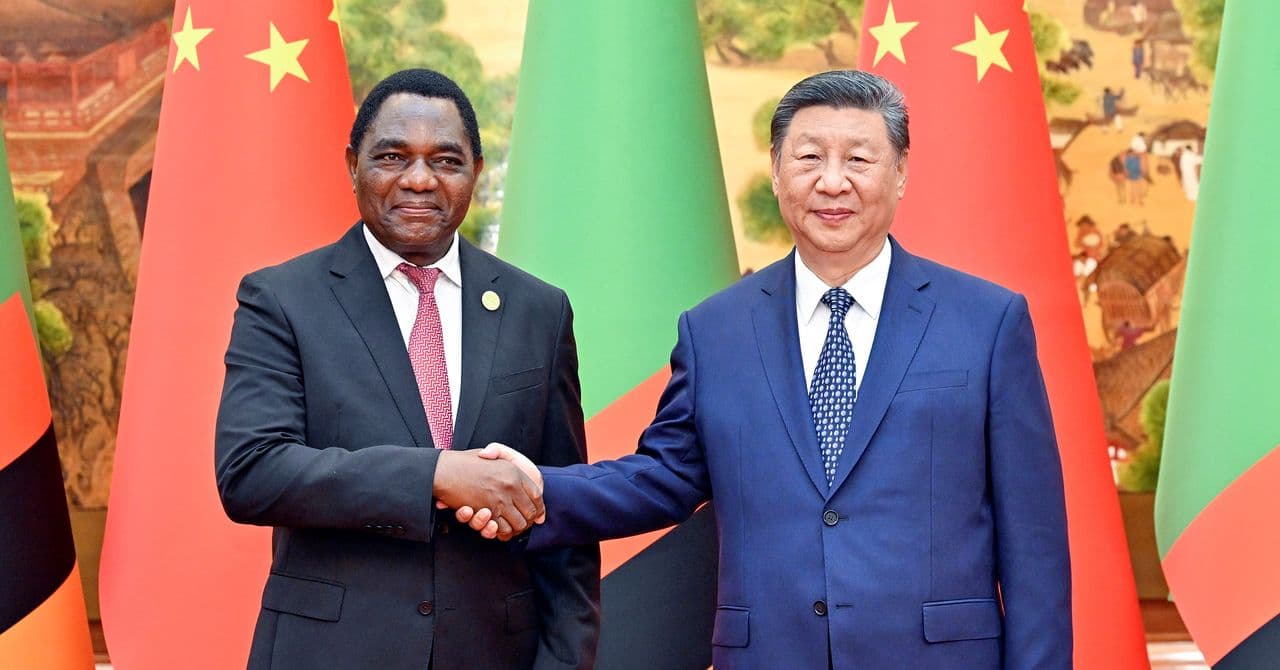
The decision to cancel the event came after Chinese diplomats exerted pressure on the Zambian government regarding the attendance of Taiwanese participants. Access Now reported that on April 27, they received alarming communication from Zambia’s Ministry of Technology, indicating that diplomats from the People's Republic of China were dissatisfied with the planned participation of Taiwanese civil society representatives.
Initially, Zambia expressed support for hosting RightsCon, but the situation quickly evolved into a predicament. The Zambian government cited a need for comprehensive disclosures related to “key thematic issues” proposed for the summit. Access Now emphasized that these vague reasons appeared to serve as a mechanism for the Zambian government to control the agenda, hinting at external influence likely linked to Chinese concerns.
The cancellation of RightsCon raises significant alarms about freedom of assembly and expression, particularly against the backdrop of geopolitical tensions surrounding Taiwan. Historically, RightsCon has provided a platform for discussing strategies to foster an open digital environment, and its cancellation reflects a troubling trend of stifling dialogue around human rights.
Access Now expressed dismay at the loss of an important forum for civil society engagement and pledged to find a way forward despite this setback. The conference has a history of resilience, having been hosted in various countries, and organizers reaffirmed their commitment to continue advocating for digital rights, irrespective of governmental pressures.
Idriss Ali Nassah, a senior researcher at Human Rights Watch, remarked, "The effective cancellation of RightsCon is a serious loss for the promotion of human rights." With Zambia expected to embrace discussions on technology and rights, this decision underscores the complex landscape in which civil society operates, particularly in regions where foreign influence plays a profound role in domestic policy.
As the digital rights community reacts to this cancellation, many are calling for a reevaluation of future venues for important human rights discussions, seeking environments that genuinely support open dialogue and expression free from government interference.
Published by Banx Network. This article is part of the Banx decentralized media programme, powered by the BXE token on the XRP Ledger.



