
Key Highlights
- India is increasing its economic engagement in Sri Lanka.
- Chinese investments in Sri Lankan ports have raised regional concerns.
- The strategic shift aims to enhance bilateral relations and trade routes.
India is increasingly positioning itself to take advantage of economic opportunities in Sri Lanka as Chinese influence in the region stabilizes. After considerable investments by China in Sri Lankan ports—such as the Hambantota Port—India’s engagement highlights a strategic pivot in regional geopolitics and economic collaboration.
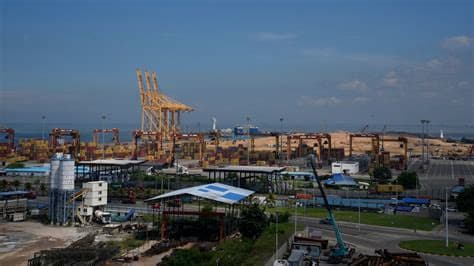
Historically, Sri Lanka has been viewed as a critical node in maritime trade routes, making it a prime target for external investments. China's Belt and Road Initiative saw significant infrastructure projects in Sri Lanka, raising concerns among neighboring countries about China's expanding reach in the Indian Ocean region. The Hambantota Port, in particular, has become a focal point of contention, as it was leased to a Chinese company for 99 years, prompting fears of increased Chinese military presence in the area.
Now, India is actively seeking to enhance its partnership with Sri Lanka, focusing on port development and other infrastructural projects. This shift is seen as an effort not only to counter Chinese presence but also to strengthen bilateral relations, especially amidst India’s broader strategy to secure its interests in the Indian Ocean. Indian officials have outlined plans for collaboration that include enhancing port capabilities and developing trade routes, which could facilitate greater connectivity between India and Southeast Asia.
By investing in Sri Lanka's maritime infrastructure, India aims to position itself as a crucial trade partner for the island nation. This evolving scenario presents an opportunity for Sri Lanka to balance its foreign investments, reducing heavy reliance on any single country. As both India and China vie for influence, the island's strategic geographical position is set to play a pivotal role in shaping regional maritime dynamics.
As the competition unfolds, the implications for regional security, trade, and Sri Lanka's economic development will be closely watched. Moving forward, how Sri Lanka navigates these partnerships will be critical in maintaining its sovereignty and leveraging its significant geographic advantages. The ongoing developments will not only impact Sri Lanka but also the broader geopolitical landscape in the Indian Ocean, as nations reassess their strategies in light of shifting alliances and economic interests.
Published by Banx Network. This article is part of the Banx decentralized media programme, powered by the BXE token on the XRP Ledger.



