
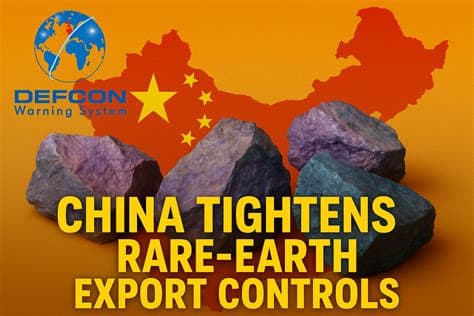
On January 15, 2026, China implemented tighter export controls on a range of key industrial metals, including aluminum, copper, and rare earth elements. This decision aims to bolster national security and manage the economic implications of its critical resources amid rising global demand.
The new regulations require exporters to obtain government approval before selling these metals abroad. Chinese officials argue that the move is necessary to ensure domestic supply and support the country's strategic industries, particularly in light of increasing competition and geopolitical tensions.
This tightening of controls has significant implications for global supply chains and could lead to increased prices for these metals on international markets. Industries reliant on these resources—such as technology, automotive, and renewable energy—may face challenges in sourcing materials, further complicating logistics and production timelines.
Analysts suggest that China’s strategy may also be influenced by its desire to assert dominance in the global metallurgy market while mitigating resource dependency. By restricting exports, China aims to strengthen its position as a leading producer and supplier of critical materials, which are vital for various advanced technologies and manufacturing processes.
Reactions from international markets have been swift, with investors closely monitoring the potential fallout from these new controls. Countries and companies dependent on Chinese metals are now exploring alternative sourcing strategies to mitigate risks associated with supply disruptions.
As the situation evolves, stakeholders worldwide are analyzing how these changes will affect global trade dynamics and their own economic interests. The move underscores the interconnected nature of today’s economies and the significant role that resource management plays in international relations.
Published by Banx Network. This article is part of the Banx decentralized media programme, powered by the BXE token on the XRP Ledger.


