Key Highlights
- Divergence in China's stock market reflects economic realities.
- State-aligned firms benefit from policy support, while consumer sectors struggle.
- Investors are adjusting strategies in response to changing market dynamics.
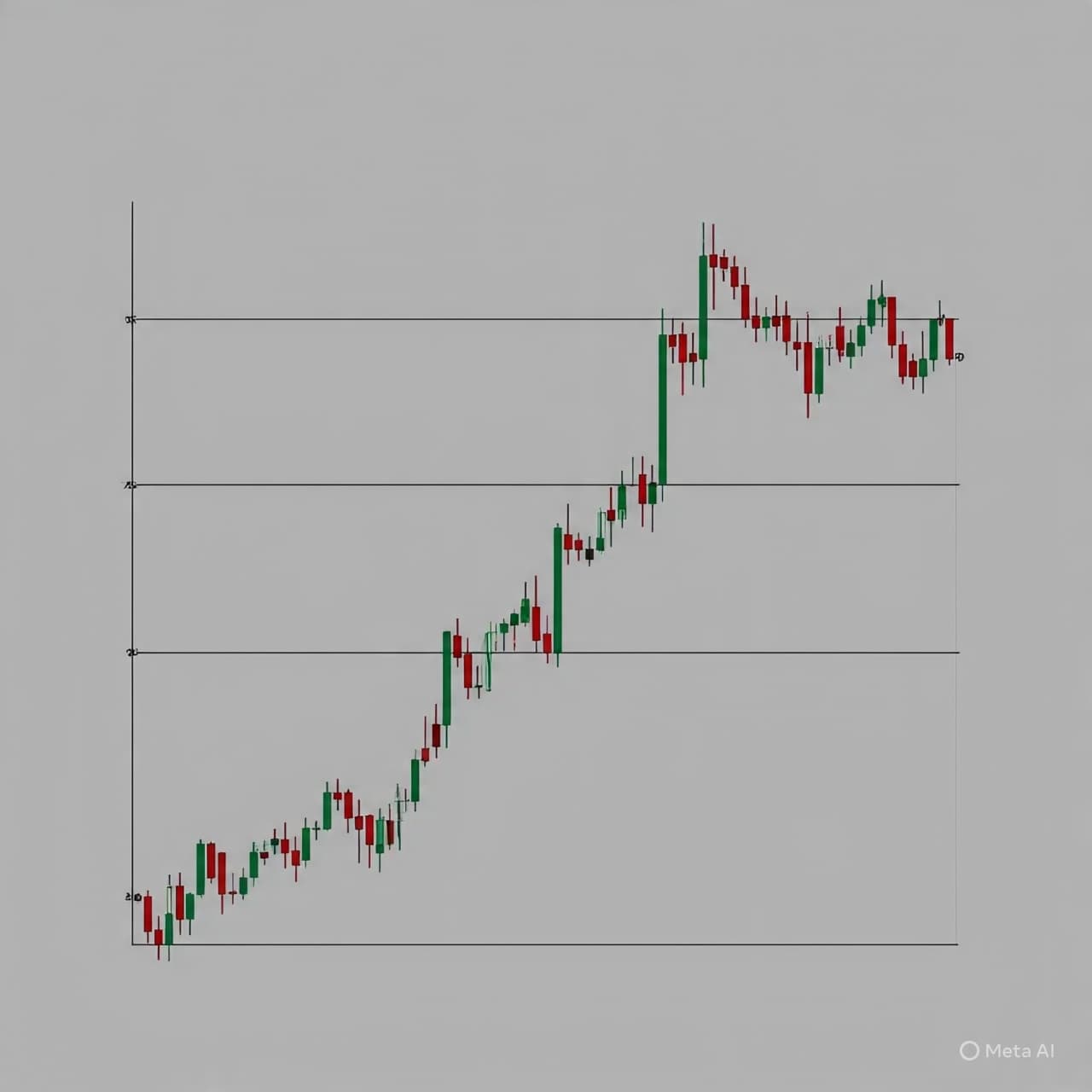
China's stock market today resembles a river that has split into two distinct currents, each representing different economic realities. While the overall market may appear stable, a closer look reveals significant divergence between sectors aligned with state priorities and those facing challenges in consumer demand. This internal split is becoming increasingly pronounced, shaping how investors approach the Chinese equities landscape.
On one side, companies that align closely with government priorities, such as those in energy security, advanced manufacturing, and defense technology, are experiencing steady growth. These firms benefit from clear policy direction and sustained government support, leading to rising valuations based on a shared understanding of their role in the national economic strategy. For many investors, these stocks symbolize stability and continuity rather than rapid growth.
Conversely, the other side of the market is marked by uncertainty and fragility. Consumer-facing companies, real estate firms, and segments of the private technology sector are grappling with slower growth and a lack of consumer confidence. As earnings reports are released, they often reveal disappointing results, reflecting an economy still adjusting after years of significant structural changes. This disparity in performance highlights the challenges faced by sectors that rely heavily on consumer spending and confidence.
The divergence in the market has led to a shift in investor behavior. While index-level movements may appear calm, individual sectors are drifting further apart, with capital increasingly flowing toward industries that align with government policies. Foreign investors, once attracted by the promise of broad-based growth, are now adopting a more selective approach, focusing on sectors that align with long-term national objectives. Domestic investors are similarly adjusting their strategies, favoring areas perceived as stable and aligned with government priorities.
Despite these challenges, the narrative is not one of collapse. Liquidity remains in the market, and reforms continue to be implemented, albeit at a measured pace. Regulatory signals have softened compared to previous years, indicating a willingness to support growth in key sectors. The tone of the market has shifted; investors are now more attuned to policy language and structural direction than to cyclical optimism.
Looking ahead, China's stock market is likely to continue reflecting these two divergent economic paths. Gains may be uneven, and volatility may persist in a selective manner rather than affecting the entire market. For investors, the key will be to navigate these currents wisely, understanding which sectors align with their investment goals and the broader economic landscape.
Published by Banx Network. This article is part of the Banx decentralized media programme, powered by the BXE token on the XRP Ledger.