China’s effort to build a more self-sufficient artificial intelligence industry is reshaping competition among its technology companies. While Beijing continues to develop domestic capabilities in chips, models and AI infrastructure, companies with greater exposure to overseas markets are finding another source of growth.
According to a Bloomberg report published by The Japan Times, a gauge tracking 30 Chinese technology stocks with the largest overseas revenue exposure had gained 36% during 2026, compared with a 9% return for companies more dependent on domestic sales. The figures illustrate the different paths emerging within China’s technology sector.
The contrast is partly connected to the structure of China’s domestic AI market. As companies compete to establish their own AI ecosystems, intense competition has contributed to price pressure across parts of the industry. Chip and robotics businesses, among others, have faced challenges to profit margins as firms compete for market share.
Outside China, however, demand for AI infrastructure has been expanding. Data centers require large quantities of computing equipment, networking technology, power systems and other components, creating opportunities for companies capable of supplying international customers.
This creates an unusual balance for Chinese technology firms. The same national drive that encourages companies to strengthen domestic AI capabilities can also push some businesses to search for customers beyond China, where demand may be less directly connected to the intense competition within the domestic market.
The overseas opportunity is particularly relevant to companies involved in physical infrastructure. AI development requires more than software models. It depends on servers, chips, networking equipment, cooling systems and electricity, turning the expansion of AI into a much broader industrial cycle.
For companies with international operations, global demand can provide diversification in revenue. However, overseas expansion also brings additional challenges, including export restrictions, regulatory requirements and differences in technology standards. These factors can affect where Chinese companies are able to sell advanced products and services.
The technology landscape is therefore becoming increasingly divided between domestic scale and international reach. Some companies are focused primarily on serving China’s enormous internal market, while others are positioning themselves to benefit from investment in AI infrastructure across multiple regions.
China’s broader AI strategy also continues to emphasize technological independence. That effort has encouraged investment in domestic alternatives for chips, computing systems and AI models, while companies simultaneously seek ways to participate in the expanding global market.
The result is an AI industry moving in two directions at once: inward toward technological self-sufficiency and outward toward international demand. For Chinese technology companies, navigating those two currents may increasingly determine how they grow as artificial intelligence becomes a larger part of the global economy.
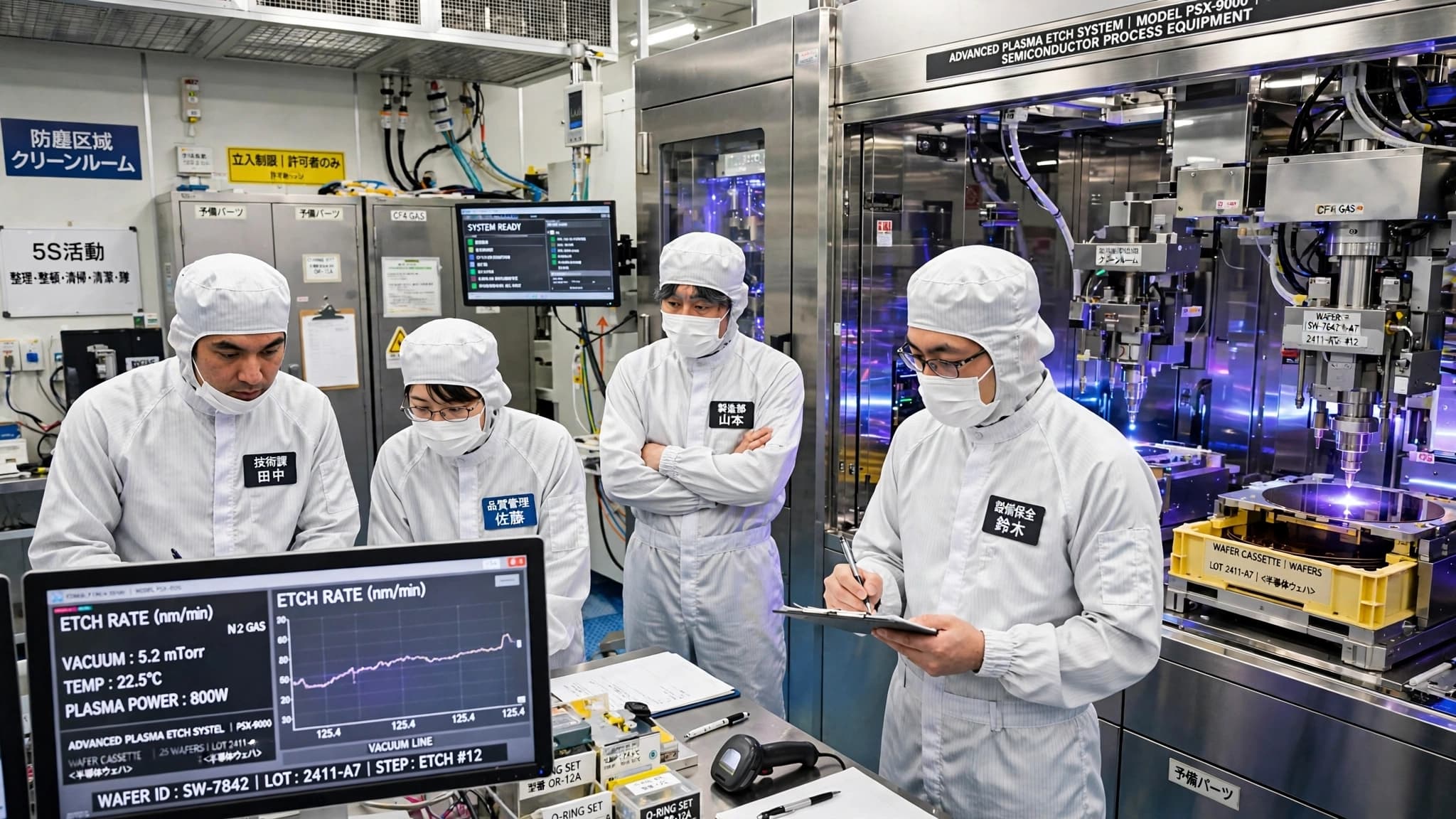
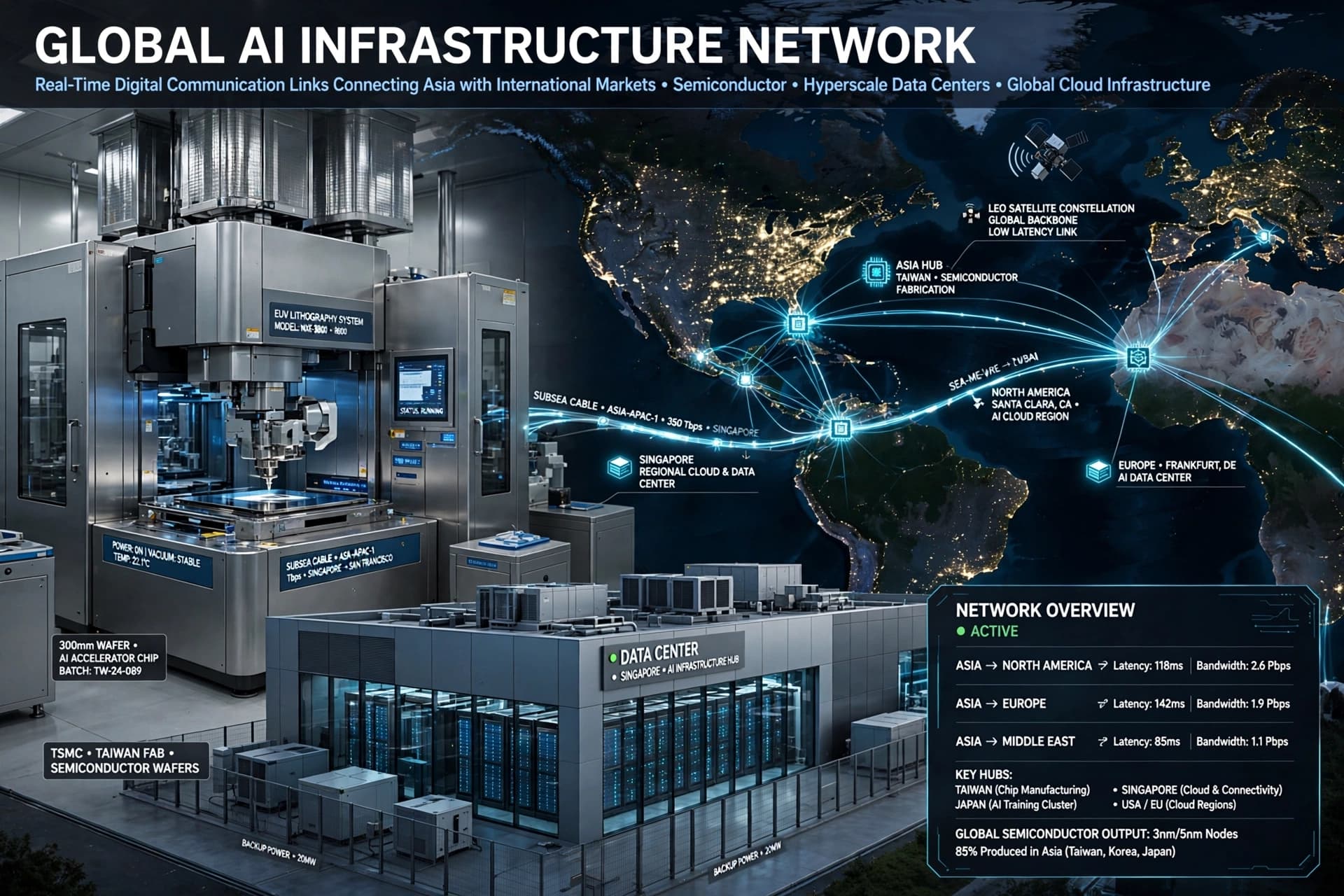
Image Disclaimer: These illustrations are AI-generated visual representations of AI infrastructure and technology markets. They do not depict specific Chinese companies, facilities or investment transactions.
Sources: The Japan Times Bloomberg Chinese technology industry sources
Published by Banx Network. This article is part of the Banx decentralized media programme, powered by the BXE token on the XRP Ledger.

.jpg&w=3840&q=75 "Ukraine’s Ex-Defense Minister Fedorov Announces New “Army of Robots” Initiative")