In laboratories, data centers, and industrial parks across China, artificial intelligence has moved from experimentation to expectation. The technology is no longer viewed only as a frontier of research, but increasingly as a tool meant to reshape everyday production, services, and economic activity.
That shift was underscored this week as Premier Li Qiang called for the “scaled and commercialised application” of artificial intelligence, signaling a policy emphasis on turning technical advances into widespread, practical use. The remarks reflect a broader effort by Beijing to accelerate the integration of AI into the real economy and position the technology as a new engine of growth. (Reuters)
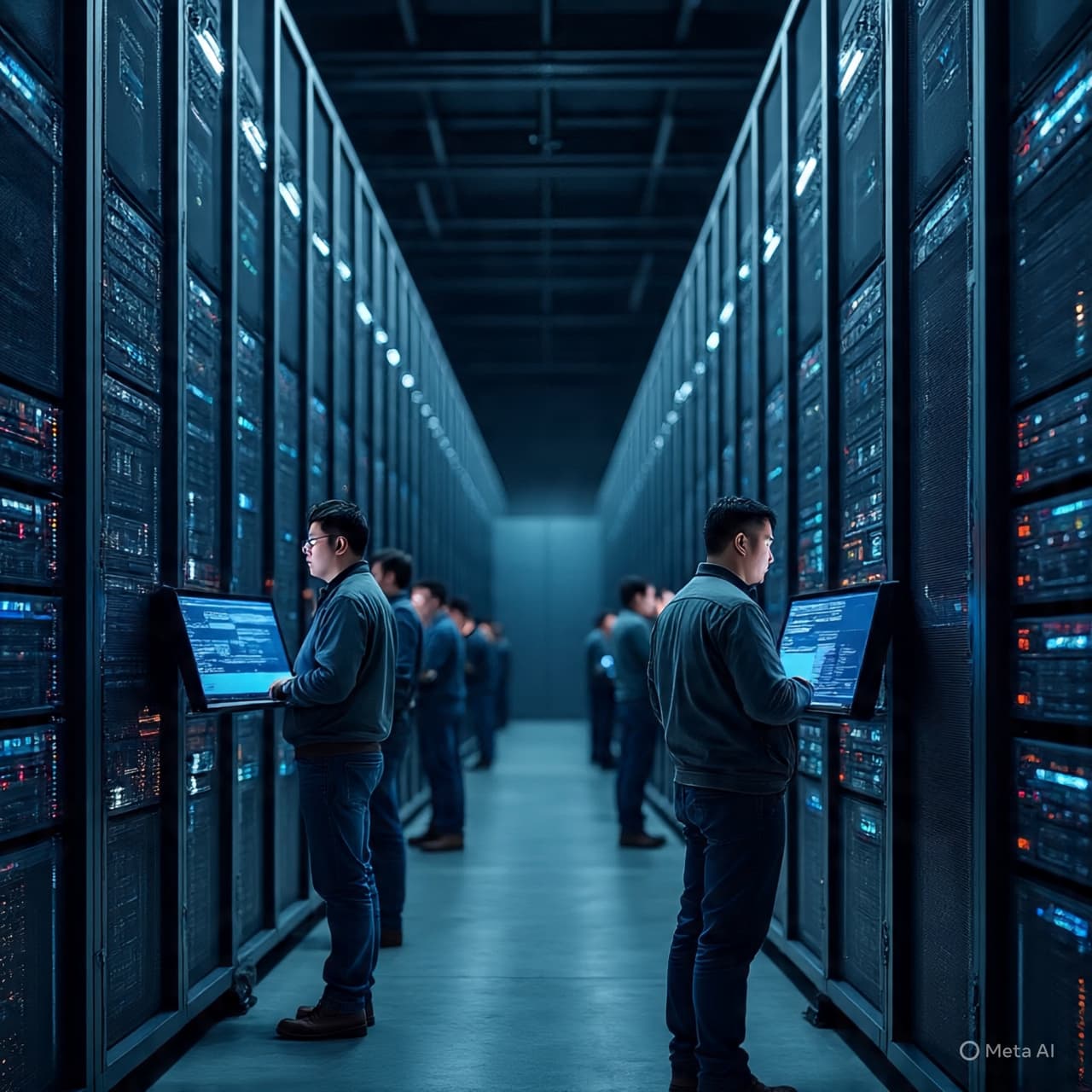
Officials have stressed that expanding AI adoption will require more than software breakthroughs. Li highlighted the need to better coordinate key infrastructure, including electricity supply and computing capacity, both of which have become critical constraints as AI systems grow more resource-intensive. Creating a supportive environment for companies and skilled talent was also identified as a priority, alongside efforts to encourage broader technology exchange and cooperation. (Reuters)
The focus on deployment reflects China’s wider economic strategy. As traditional growth drivers such as real estate and export-led manufacturing face structural pressures, policymakers have increasingly looked to advanced technologies to support industrial upgrading. Artificial intelligence is being promoted for use across sectors, from smart manufacturing and logistics to healthcare, finance, and public services.
In policy discussions, officials have emphasized the country’s advantage in large-scale application scenarios — vast consumer markets, dense industrial networks, and extensive digital infrastructure that allow new technologies to be tested and expanded quickly. The goal is not only to develop advanced models, but to embed them deeply into production chains and daily operations.
At the same time, the rapid expansion of AI has brought governance challenges. Authorities have called for clearer regulatory frameworks, application standards, and ethical guidelines to ensure the technology is deployed safely and responsibly. Building a larger, multi-skilled workforce has also become a central concern as demand for AI-related expertise continues to rise. (chinadailyhk)
The emphasis on commercialization also reflects intensifying global competition. Major economies are investing heavily in artificial intelligence, viewing it as a strategic technology with implications for productivity, national security, and long-term economic leadership. China has increasingly framed AI development as part of its push toward “high-quality growth” and technological self-reliance.
For businesses, the policy direction signals continued government support but also higher expectations. Companies are being encouraged not only to innovate, but to translate research into scalable products and services that deliver measurable economic value.
The next phase of China’s AI strategy will likely be judged less by the number of models released and more by the breadth of their impact. As infrastructure expands and regulatory frameworks take shape, the central question is whether artificial intelligence can move from promise to productivity across the economy.
If that transition succeeds, AI may become not just a symbol of technological ambition, but a defining pillar of China’s future growth model.
Published by Banx Network. This article is part of the Banx decentralized media programme, powered by the BXE token on the XRP Ledger.