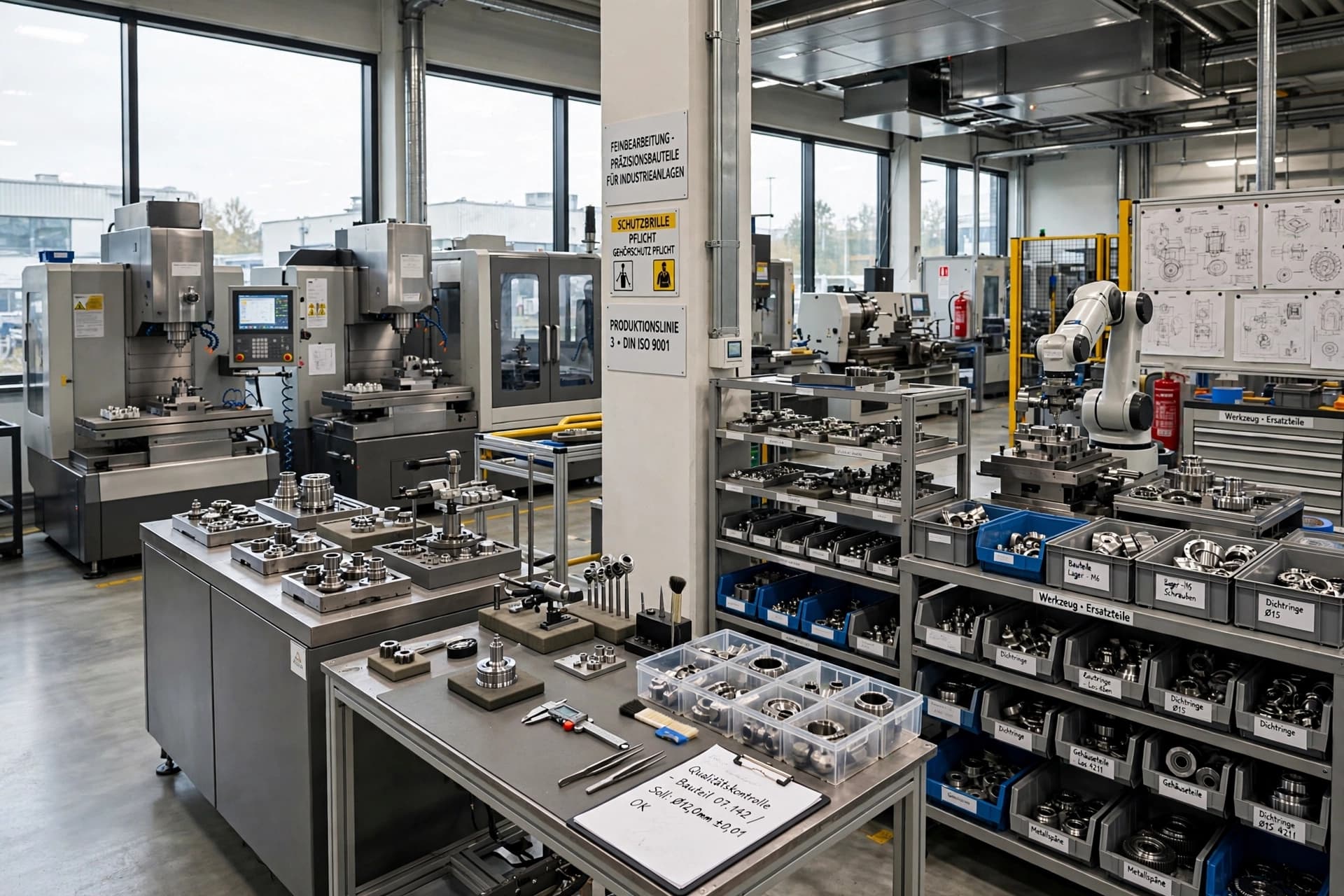
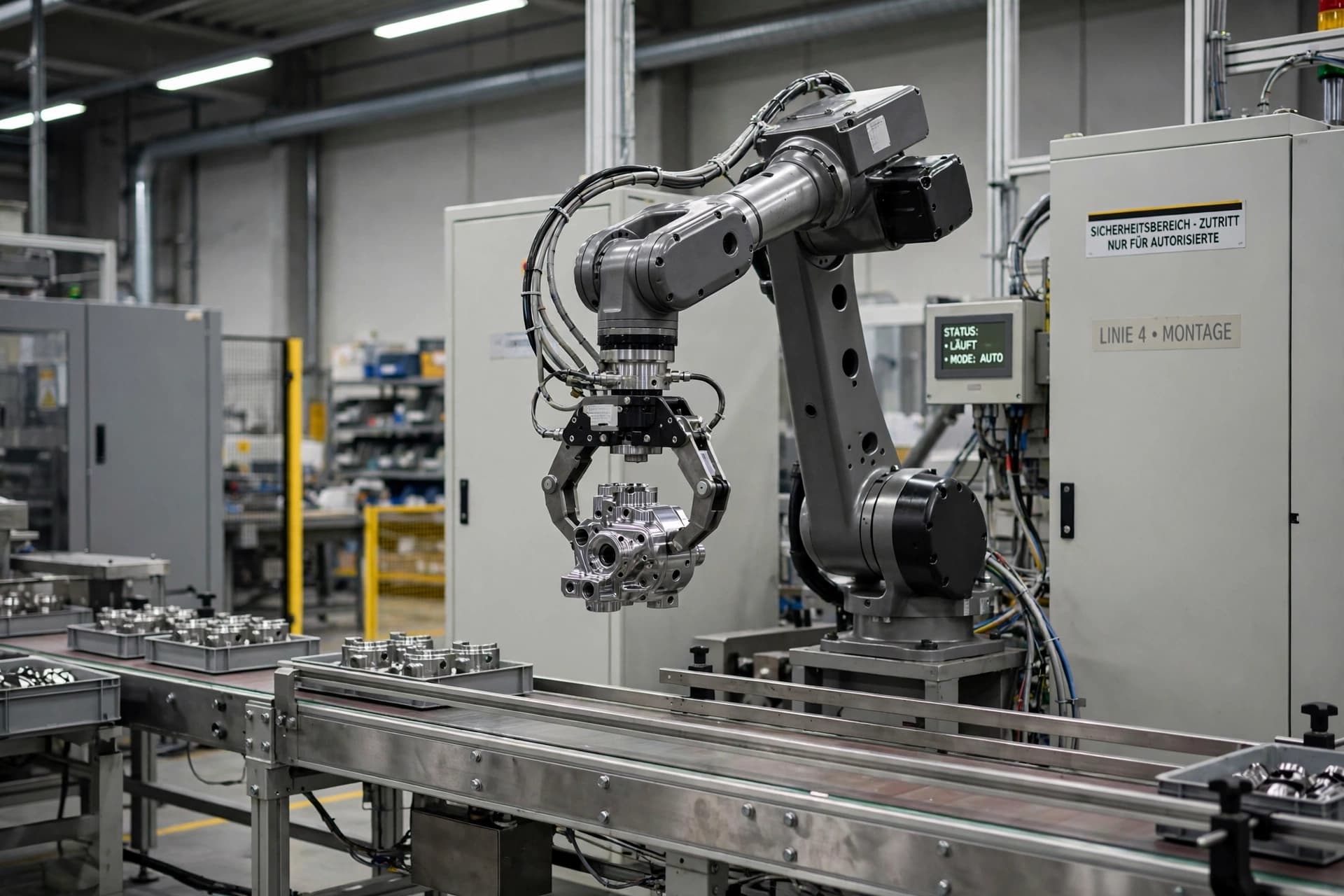
In a major leap forward for its semiconductor industry, China has reportedly constructed its first prototype of an Extreme Ultraviolet (EUV) lithography machine. This advancement holds substantial implications for global tech competition, particularly between the U.S. and China.
Understanding EUV Technology
EUV lithography is a cutting-edge technology essential for manufacturing smaller, more powerful microchips. It utilizes extremely short wavelengths of light to etch intricate circuit patterns onto silicon wafers. The complexity and precision required for EUV machines have historically placed them beyond the reach of many countries, including China, which has long relied on foreign technology.
Recent Developments and Implications
This recent prototype, developed by Chinese engineers, represents a critical step toward self-sufficiency in chip manufacturing. While details on the prototype's capabilities remain limited, the existence of such technology suggests that China is positioning itself to produce advanced semiconductors without relying on Western equipment and intellectual property.
The implications for global markets are profound. An independent Chinese capacity for EUV could enable rapid advancements in its tech industry, fostering innovation in sectors like AI, telecommunications, and automotive technology. Moreover, this development intensifies competition with the U.S., which has dominated high-end semiconductor manufacturing tools.
U.S. Response to the Threat
The U.S. has long been concerned about China's ambitions in semiconductor technology, viewing it as a national security threat. In response, the U.S. government has implemented various measures aimed at curbing China's access to advanced chip technology and the resources needed to develop competitive infrastructure.
As tensions rise, other countries are watching closely. Allies in Europe and Asia must now navigate the complex landscape altered by China's advancements, assessing their own positions within the semiconductor supply chain.
Published by Banx Network. This article is part of the Banx decentralized media programme, powered by the BXE token on the XRP Ledger.