Key Highlights
- China’s envoy to Israel calls the nation a 'friend' and 'important partner'.
- Remarks come after Beijing criticized Israel’s recognition of Somaliland.
- China emphasizes neutrality while maintaining economic ties with Israel.
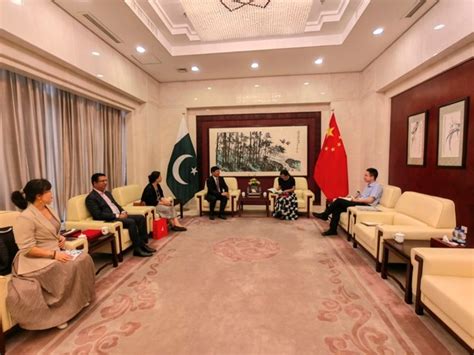
China’s chargé d’affaires in Israel, Xiao Junzheng, recently described Israel as a 'friend' and an 'important partner' during discussions with Israeli officials. This statement marks a significant diplomatic gesture, especially considering the backdrop of previous tensions between China and Israel regarding issues such as Somaliland and Iran.
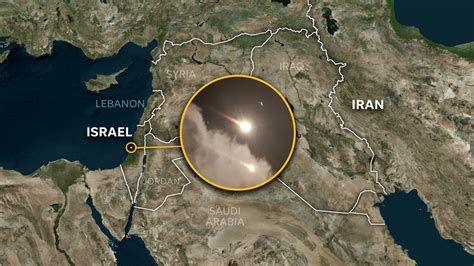
In the months leading up to this meeting, Beijing had expressed strong disapproval of Israel’s recognition of Somaliland, a move that has been contentious in international politics. Additionally, China criticized U.S.-Israeli military actions against Iran, which have raised concerns about regional stability. Despite these disagreements, Xiao emphasized that cooperation between China and Israel serves the interests of both nations, highlighting the complexities of their diplomatic relationship.
Xiao pointed out the ongoing Chinese-backed infrastructure projects in Israel, which have continued to operate even amidst missile and drone attacks. This resilience underscores the depth of economic ties that have developed between the two countries, suggesting that both sides are keen to maintain their partnership despite political disagreements.
The remarks from Xiao come at a time when China is actively seeking to expand its influence in the Middle East. By positioning itself as a neutral party, China aims to strengthen its diplomatic and economic relationships in the region, particularly with Israel, which has been a key player in Middle Eastern geopolitics.
China's approach reflects a broader strategy of balancing its interests in the region while navigating the complexities of U.S. influence. As tensions continue to rise over issues like Iran's nuclear program and the recognition of Somaliland, China's ability to maintain a friendly relationship with Israel could prove advantageous for its long-term goals in the Middle East.
In conclusion, Xiao's comments highlight the intricate dance of diplomacy that characterizes China-Israel relations. As both nations look to the future, their partnership may evolve, influenced by external pressures and internal priorities. The ongoing dialogue between China and Israel will be crucial in shaping the geopolitical landscape of the region.
Published by Banx Network. This article is part of the Banx decentralized media programme, powered by the BXE token on the XRP Ledger.